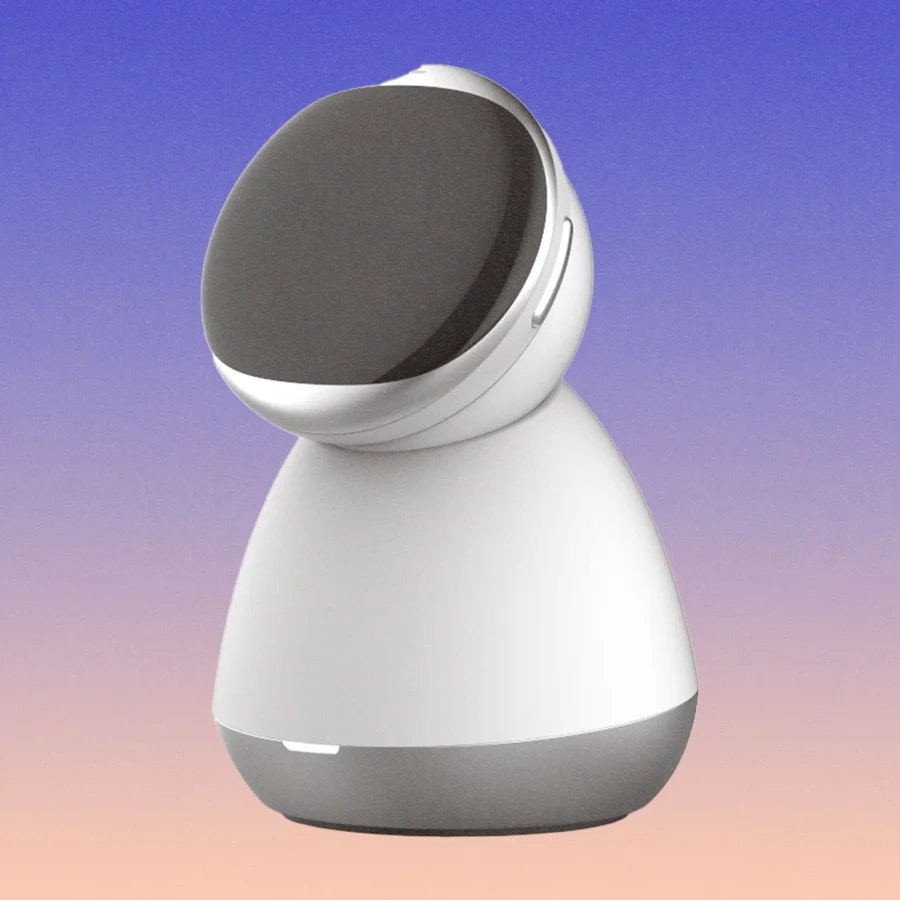
Remember Jibo, the adorable social robot that promised to be your family’s friend but ultimately faded into tech history? Its spiritual successor is here — and it’s not a robot at all. It’s a wearable or desk-mounted device called iKairos, an “AI journal” that turns your everyday family moments into AI-generated images and video.
If Jibo was about companionship, iKairos is about curation — but with a twist that’s raising eyebrows. Instead of simply recording memories, it transforms them into what some are calling “AI slop”: synthetic content that may look real but is entirely generated.
What Is iKairos and How Does It Work?
iKairos is described as an “AI journal” that can be worn on your body or placed on a desk. It continuously captures snippets of your daily life — conversations, meals, playtime with kids — and then uses artificial intelligence to turn those moments into AI-generated images and short videos.
The device is designed to be passive, always on, and always listening or watching, much like a lifelogging camera. But instead of storing raw footage, it processes the data through AI models to produce polished, often idealized versions of your memories.
Think of it as a personal AI director that creates a highlight reel of your life — but one that may not be entirely accurate.
Why This Matters: The Rise of AI-Generated Personal Memories
For many, the appeal is obvious: who wouldn’t want a beautifully crafted video of their child’s first steps or a family dinner, without having to edit anything themselves? iKairos promises to do the work for you, turning mundane moments into shareable, cinematic content.
But there’s a darker side. By generating images and video that look real but are synthetic, iKairos blurs the line between actual memory and AI fiction. Over time, families may begin to remember AI-generated versions of events rather than the real ones.
This isn’t just about convenience — it’s about the authenticity of our most personal experiences.
From Jibo to iKairos: A Strange Evolution
Jibo, launched in 2014 via a wildly successful Indiegogo campaign, was a social robot designed to interact with families — telling stories, taking photos, and even dancing. It was beloved for its personality but ultimately failed as a business, with the company shutting down in 2019.
Now, iKairos claims to have the “blessings” of Jibo’s original founders. While details of this connection remain unclear, the lineage suggests a shift from physical robotics to AI-driven content generation.
Instead of a robot that lives with you, iKairos is a tool that lives on you — and turns your life into content.
Who Is Affected? Families, Privacy Advocates, and Tech Skeptics
For families, iKairos offers a tempting promise: never miss a moment, and have every memory beautifully packaged. But it also means inviting an always-on AI into the most intimate parts of your life.
Privacy advocates are already concerned. The device captures audio and video continuously, raising questions about who owns that data, where it’s stored, and how it’s used. Even if the output is AI-generated, the raw input is deeply personal.
Tech skeptics worry about the psychological impact. If AI is curating your memories, are you still living your life — or just feeding a machine?
What the Founders and Experts Are Saying
The original Jibo founders have reportedly given their “blessings” to iKairos, though no public statement from them has been widely shared. The iKairos team has not yet released detailed technical specifications or a privacy policy.
Experts in AI ethics caution that devices like iKairos could normalize the idea of AI-generated personal content, making it harder for people to distinguish real memories from synthetic ones. “We’re entering a world where your own life can be rewritten by an algorithm,” one analyst noted.
Confirmed Facts vs What Remains Unclear
Confirmed: iKairos is a wearable or desk-mounted AI journal that generates images and video from captured moments. The device has received blessings from Jibo’s original founders.
Unclear: Exact pricing, launch date, data storage practices, and whether the device records continuously or only when triggered. The extent of the founders’ involvement is also not fully detailed.
Speculation: Some believe iKairos could face regulatory scrutiny over privacy, especially in regions with strict data protection laws like the EU and India.
Company Moat: Why iKairos Matters in the AI Wearable Space
iKairos enters a growing market of AI wearables, including devices like the Humane AI Pin and the Rabbit R1. Its differentiator is its focus on personal memory and family content, rather than productivity or communication.
The connection to Jibo’s legacy gives it a nostalgic edge, potentially attracting early adopters who remember the original robot’s charm. However, the company’s moat remains unclear — without strong privacy protections or unique AI capabilities, it could easily be copied.
Risks and Balanced View
Supporters argue that iKairos could help families preserve memories in a world where time moves too fast. “It’s like having a personal videographer who never gets tired,” one early backer said.
Critics counter that the device commodifies personal moments, turning real life into content for social media. “We’re outsourcing our memories to AI, and that’s a dangerous trade-off,” a privacy researcher warned.
There are also concerns about children’s privacy, as the device would likely capture minors without their consent.
Wider Trend: The AI Slop Economy
iKairos is part of a broader trend where AI is used to generate low-effort, high-volume content — often called “AI slop.” From fake images on social media to AI-generated articles, the internet is increasingly filled with synthetic content that mimics reality.
With iKairos, that slop becomes personal. It’s no longer about generic memes — it’s about your child’s birthday party being turned into an AI-generated video that may never have happened exactly that way.
Practical Guidance for Potential Users
If you’re considering iKairos, here’s what to keep in mind:
- Privacy first: Check the device’s data storage and sharing policies. Does it upload to the cloud? Can you delete raw footage?
- Think about consent: Will family members and guests know they’re being recorded? Is there a physical indicator when the device is active?
- Consider the psychological impact: Are you comfortable with AI altering your memories? Would you rather have raw, imperfect footage or polished, generated content?
Future Outlook
iKairos could either become a niche product for tech enthusiasts or spark a broader shift in how we document our lives. If successful, it may inspire similar devices from larger companies like Google or Apple.
However, regulatory hurdles and public skepticism over AI-generated content could limit its adoption. The device’s success will likely depend on how transparently it handles privacy and how much control users have over their data.
Our Take
iKairos is a fascinating but unsettling concept. It takes the promise of Jibo — a friendly companion — and twists it into something more transactional: your life becomes raw material for AI content. While the idea of never missing a moment is appealing, the cost may be the authenticity of those moments themselves.
In a world already drowning in AI-generated content, do we really want our most personal memories to be part of that flood? The answer may depend on how much we value reality over convenience.
Frequently Asked Questions
What is iKairos?
iKairos is a wearable or desk-mounted “AI journal” that captures everyday family moments and uses artificial intelligence to generate images and video from them. It is described as a successor to the Jibo social robot, with blessings from Jibo’s original founders.
How is iKairos different from Jibo?
Jibo was a physical social robot designed to interact with families through conversation and movement. iKairos is a passive wearable or desk device that focuses on capturing and generating AI content from your life, rather than being an interactive companion.
What are the privacy concerns with iKairos?
The device continuously captures audio and video from your daily life, raising questions about data ownership, storage, and consent. Privacy advocates worry that raw footage could be misused or stored indefinitely, and that family members and guests may not know they are being recorded.
Is iKairos available now?
As of now, iKairos is in development or early launch phase. Specific pricing, availability, and detailed technical specifications have not been widely released. Potential users should wait for official announcements before purchasing.