
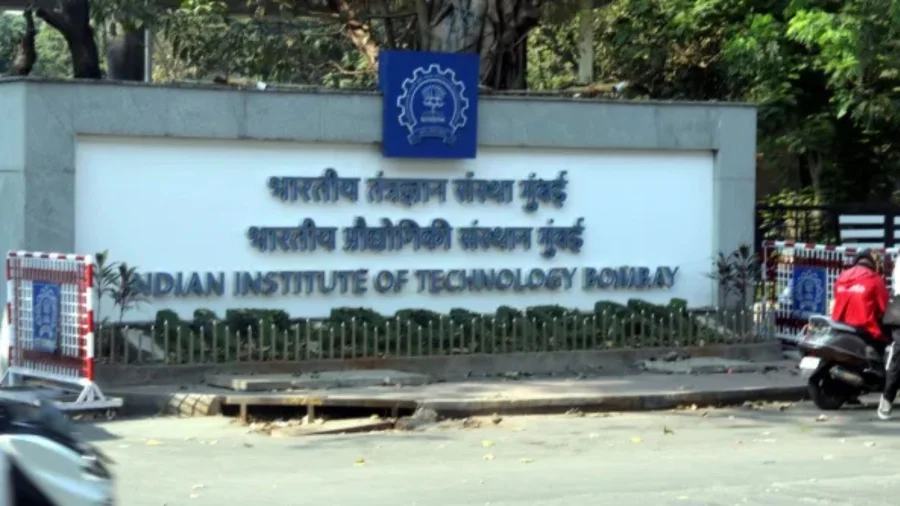
Two canteens inside IIT Bombay have been ordered shut by the Food and Drug Administration for operating without valid licences. A third canteen has been served a notice. The enforcement is a reminder that campus food outlets are not exempt from the licensing rules every eatery in Maharashtra must follow.
What the FDA action covers
According to the headline report, the action targeted canteens found running without the mandatory licences. Two were closed during the inspection. One more was served a notice — typically the first formal step before further action such as penalty or closure.
Under India's food safety framework, any food business — including those inside institutes — must hold a licence or registration depending on its size and turnover. Operating without one can invite closure, fines, or prosecution.
Why campus canteens matter in a food safety check
IIT Bombay canteens are high-footfall operations serving hundreds of students and staff daily. That makes licence compliance a public health concern, not just a paperwork issue.
Unlicensed outlets escape routine inspection, which raises legitimate questions about hygiene, ingredient sourcing, and accountability if something goes wrong. The FDA's move signals that institutes can no longer assume internal permissions are enough.
What is confirmed and what is still unclear
Only the headline outcome is confirmed so far: two canteens shut, one notice issued. The names of the outlets, the exact date of the inspection, the specific licences found missing, and any response from IIT Bombay have not been verified in the available report.
It is also unclear whether the canteens were run directly by the institute or by contractors — a distinction that determines who bears legal responsibility. Until officials comment, those details remain open questions.
What the closure means for students and vendors
For students, the immediate impact could mean longer queues at the remaining outlets until the canteens either obtain licences or contest the action. For vendors, the message is direct: a campus contract does not override food licensing law.
Institutions often treat their internal approvals as sufficient. This enforcement suggests otherwise — statutory compliance under food law stands separate from any arrangement with the institute.
Likely next steps in the case
The closed canteens can apply for the required licences and seek approval to resume operations once they comply. The notice served on the third outlet will presumably require a response within the stipulated period.
Unless there is an appeal, this action could set a pattern for similar inspections at other campuses across the state, making food licence checks routine at institutional eateries.
Our Take
This is a small enforcement action carrying an outsized signal. IIT Bombay is among India's most prominent campuses, and when the FDA shuts its canteens, it sends a clear message: food safety law applies equally to universities, hostels, and workplace cafeterias.
The lack of confirmed specifics — which canteens, whose licences, what happens next — means the full picture is still taking shape. What is already evident is that campus eateries can no longer treat licence compliance as optional.
Frequently Asked Questions
Why did the FDA shut two IIT Bombay canteens?
According to the reported headline, the two canteens were operating without the licences required under food safety regulations, prompting the FDA to order their closure.
What does a notice to the third canteen mean?
A notice generally asks the outlet either to comply with licensing requirements within a given period or to explain why action should not be taken. Ignoring it can lead to closure or penalties.
Can the shut canteens reopen?
Yes, in most cases. Once they obtain the mandatory licence and meet compliance conditions, they can apply to resume operations.
Do campus canteens in India need a separate food licence?
Yes. Every food business operator, including those inside educational institutions, must hold a licence or registration under the Food Safety and Standards Act. Internal permission from the institute does not replace this legal requirement.



