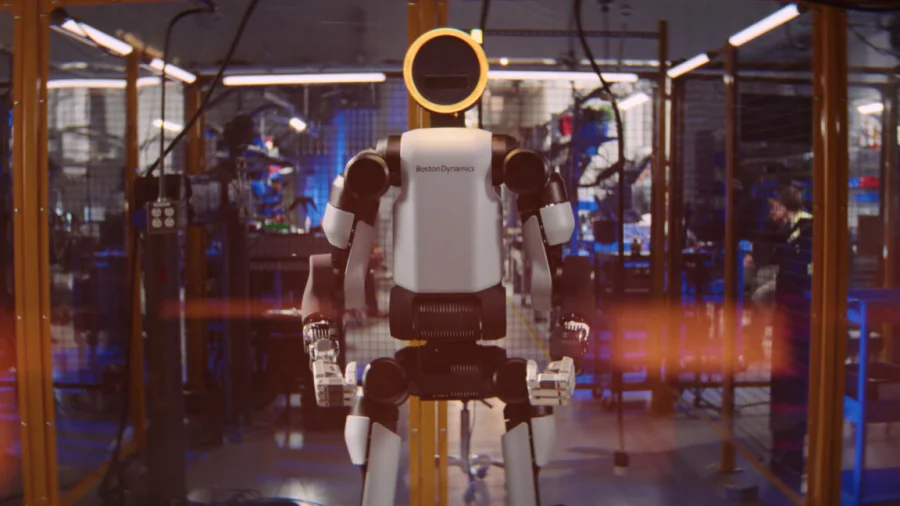
Hyundai Motor Company has pushed back against reports that its ambitious plan to deploy humanoid robots by 2028 is fueling labor unrest at its massive South Korean plant. The automaker insists the real fight is about pay, not robots.
What Hyundai Actually Said About Robot Talks
In a statement shared with Ars Technica, Hyundai clarified that “potential deployment of robots in Korean production facilities is not part of the current labor-management discussions.” The company directly disputed news reports suggesting that partial strikes by the Hyundai Motor union were sparked by fears over humanoid robots taking over jobs in the United States starting in 2028.
Why Workers Are Really Striking — According to Hyundai
According to the company, the union’s demands are squarely focused on compensation-related issues: wage increases, bonuses, and an extension of workers’ retirement age. These are classic labor negotiation points, not futuristic anxieties about automation. For workers at the world’s largest automotive plant, the immediate concern is financial security, not the distant threat of humanoid coworkers.
The Humanoid Robot Plan That Sparked Confusion
Hyundai has previously announced plans to introduce humanoid robots into its U.S. production facilities by 2028. This long-term vision, part of the company’s broader push into robotics under its Boston Dynamics subsidiary, appears to have been misinterpreted in some media reports as a current trigger for labor disputes in South Korea. The company is now working to correct that narrative.
What This Means for Hyundai Workers
For the thousands of unionized workers at Hyundai’s South Korean plant, the distinction matters. If robot fears were falsely linked to the strike, it could dilute the urgency of their actual demands — better wages and later retirement. Workers want their core grievances heard, not overshadowed by a technology that may not arrive on their factory floor for years.
Hyundai’s Official Statement — Key Excerpts
“Hyundai Motor is committed to constructive dialogue with the union,” the company said. “The current discussions are focused on improving working conditions and compensation for our employees.” The statement did not address whether humanoid robots could become a future bargaining point, but firmly denied their relevance to the present dispute.
Why the Robot-Strike Link Matters Beyond Hyundai
This episode highlights a growing challenge in labor reporting: the tendency to conflate long-term automation plans with immediate worker grievances. As companies like Hyundai, Tesla, and Amazon invest in robotics, the line between real fears and speculative anxieties can blur. For unions, this can be a distraction. For companies, it can be a reputational risk.
Confirmed Facts vs What Remains Unclear
Confirmed: Hyundai has a plan to deploy humanoid robots in U.S. facilities by 2028. The current strike is over wages, bonuses, and retirement age. Hyundai denies robots are part of talks. Unclear: Whether any union members privately raised robot concerns during negotiations. Whether future labor talks will include automation clauses. The exact scale and timeline of the partial strikes.
Hyundai’s Robotics Ambition — A Separate Story
Hyundai’s robotics push, led by Boston Dynamics, is a strategic bet on the future of manufacturing and logistics. The company has demonstrated humanoid robots capable of navigating industrial environments. But this long-term vision is distinct from the immediate labor dynamics in South Korea, where the union is fighting for tangible, near-term gains.
Risks and Balanced View
While Hyundai denies the robot link, some labor experts argue that automation anxiety is never entirely absent from factory floor discussions. Workers may not be striking over robots today, but the prospect of job displacement could influence future negotiations. Critics also note that companies sometimes downplay automation concerns to avoid public pressure. The truth likely lies somewhere between — robots are a future issue, not a current one.
Wider Trend: Automation vs Labor in Global Manufacturing
This story fits a broader pattern across industries: as companies invest in AI and robotics, unions are increasingly forced to negotiate not just for wages, but for job security in an automated future. Hyundai’s case shows that these two conversations — immediate compensation and long-term technological change — can coexist, even if they are not yet formally linked.
What Hyundai Workers and Investors Should Watch
For workers: focus on the current negotiation outcomes — wage hikes and retirement age changes. For investors: monitor Hyundai’s robotics roadmap separately from labor relations. For both: watch whether future union contracts begin to include automation-related protections, as seen in some U.S. auto industry deals.
Future Outlook
The current strike is likely to be resolved through traditional compensation negotiations. However, as Hyundai’s humanoid robot plans advance toward 2028, the topic is almost certain to resurface in future labor discussions — especially if robots begin appearing on factory floors in any capacity. For now, the company and union are focused on the present.
Our Take
This is a useful corrective to a narrative that risked oversimplifying a complex labor dispute. Hyundai’s humanoid robot plan is real and significant, but it is not the reason workers are on strike today. Journalists and readers alike should be careful not to let futuristic headlines obscure the very real, very human demands for fair pay and dignified retirement. The robot story is coming — but it hasn’t arrived yet.
Frequently Asked Questions
Is Hyundai planning to replace workers with humanoid robots?
Hyundai has announced plans to deploy humanoid robots in U.S. production facilities by 2028, but the company says this is not part of current labor talks in South Korea. The robots are intended to assist with certain tasks, not necessarily replace all human workers.
Why are Hyundai workers striking if not over robots?
According to Hyundai, the union’s demands focus on wage increases, bonuses, and extending the retirement age. These are traditional compensation issues, not automation concerns.
Did the media falsely link the strike to robots?
Hyundai disputes reports that the partial strikes were spurred by robot fears. The company says the union’s demands are compensation-related, and robot deployment is not part of current discussions.
Could robots become a future issue in Hyundai labor talks?
It is possible. As Hyundai’s humanoid robot plans progress toward 2028, automation could become a bargaining point in future contract negotiations, especially if workers seek job security guarantees.