Summary
Early official results from the Hungarian legislative elections suggest a major political shift is underway. With 37% of the votes counted, the data shows that Prime Minister Viktor Orbán is facing a potential defeat. This election has seen a record-breaking number of people going to the polls, which often signals a strong desire for change among the public. If these early trends continue, it could mark the end of an era for the current government.
Main Impact
The most significant impact of this election is the rise of the Tisza party, led by Péter Magyar. For more than ten years, Viktor Orbán has maintained a very strong hold on the country. These early results suggest that his power is fading. A victory for the opposition would not only change the leadership of Hungary but also shift the country’s relationship with the European Union and its neighbors. It represents a move away from the nationalist policies that have defined the nation for over a decade.
Key Details
What Happened
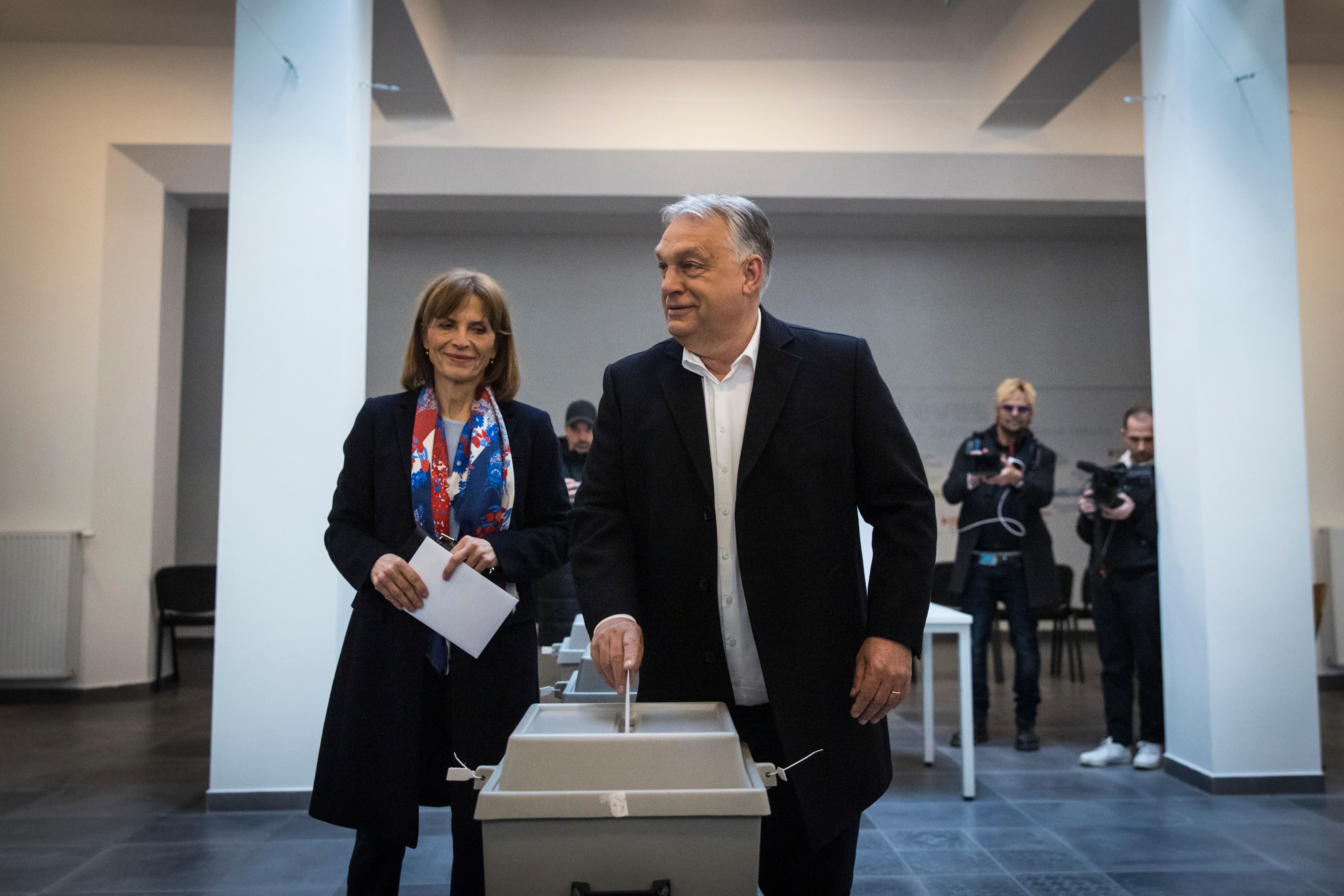
The election day started with an unusually high number of people showing up to vote. From the very first report at 7:00 AM, the participation rate was nearly double what it was during the 2022 elections. This energy lasted all day long. People waited in lines to make sure their voices were heard. By the time the polls were close to closing, the turnout had reached levels never seen before in modern Hungarian history. The opposition party, Tisza, has stated that their own internal models show they are on track for a massive win.
Important Numbers and Facts
The numbers from this election are historic. By 6:30 PM, just thirty minutes before the polls closed, 77.8% of the 7.5 million registered voters had already cast their ballots. To put this in perspective, the highest turnout since the fall of communism was 70.53% back in 2002. In the previous election four years ago, the early morning turnout was only 1.8%, but this year it started at 3.4%. With 37% of the official count finished, the opposition is leading, and there are claims they could even win a two-thirds majority in parliament.
Background and Context
Viktor Orbán has been the Prime Minister of Hungary for a long time. He is known for his very strong nationalist views and his close relationship with Russia. Over the years, he has often disagreed with the leaders of the European Union on many topics, including how the law should work and how much power the government should have. This has led to many arguments and even the freezing of some funds meant for Hungary.
Péter Magyar, the man leading the challenge against Orbán, has an interesting history. He was once a lawyer who worked within the government system. However, he decided to leave that world and start his own political movement. He has spent the last few months traveling the country and telling people that it is time for a new way of leading. His message seems to have connected with many people who felt that the old system was no longer working for them.
Public or Industry Reaction
The reaction across the country has been one of intense interest. Many voters said they felt this was the most important election of their lives. Supporters of the opposition are feeling very positive as the early numbers come in. They believe that the high turnout is a sign that people are tired of the old ways. On the other hand, those who support the current government are watching the results closely and waiting for more votes from rural areas to be counted, as those areas have traditionally supported Orbán.
What This Means Going Forward
If the final results confirm a defeat for Viktor Orbán, Hungary will enter a period of big changes. A new government led by the Tisza party would likely try to fix the country’s relationship with the European Union. This could mean changing laws to meet European standards and getting access to billions of euros in aid that are currently blocked. It could also mean a change in how Hungary views the war in Ukraine, as the opposition has expressed different views than the current pro-Russian stance of the government. The next few days will be critical as the final votes are counted and the new political map of Hungary is drawn.
Final Take
This election shows that the people of Hungary are deeply engaged in their democracy. The record-breaking turnout is a clear message that the public wants to decide the direction of their country. Whether the final result is a total change in government or a very close finish, the political world in Hungary will never be the same after today. The high level of participation has set a new standard for future elections.
Frequently Asked Questions
Who is winning the Hungarian election?
Early results with 37% of the votes counted show the opposition party, Tisza, leading over Viktor Orbán’s government. However, the final result will not be known until all votes are counted.
How many people voted in this election?
The turnout was record-breaking, with 77.8% of registered voters casting their ballots by 6:30 PM. This is the highest participation rate since the country moved away from communism.
Why is this election important for Europe?
Hungary has often been at odds with the European Union under Viktor Orbán. A change in leadership could lead to better cooperation between Hungary and other European nations on issues like the economy and international security.