
Summary
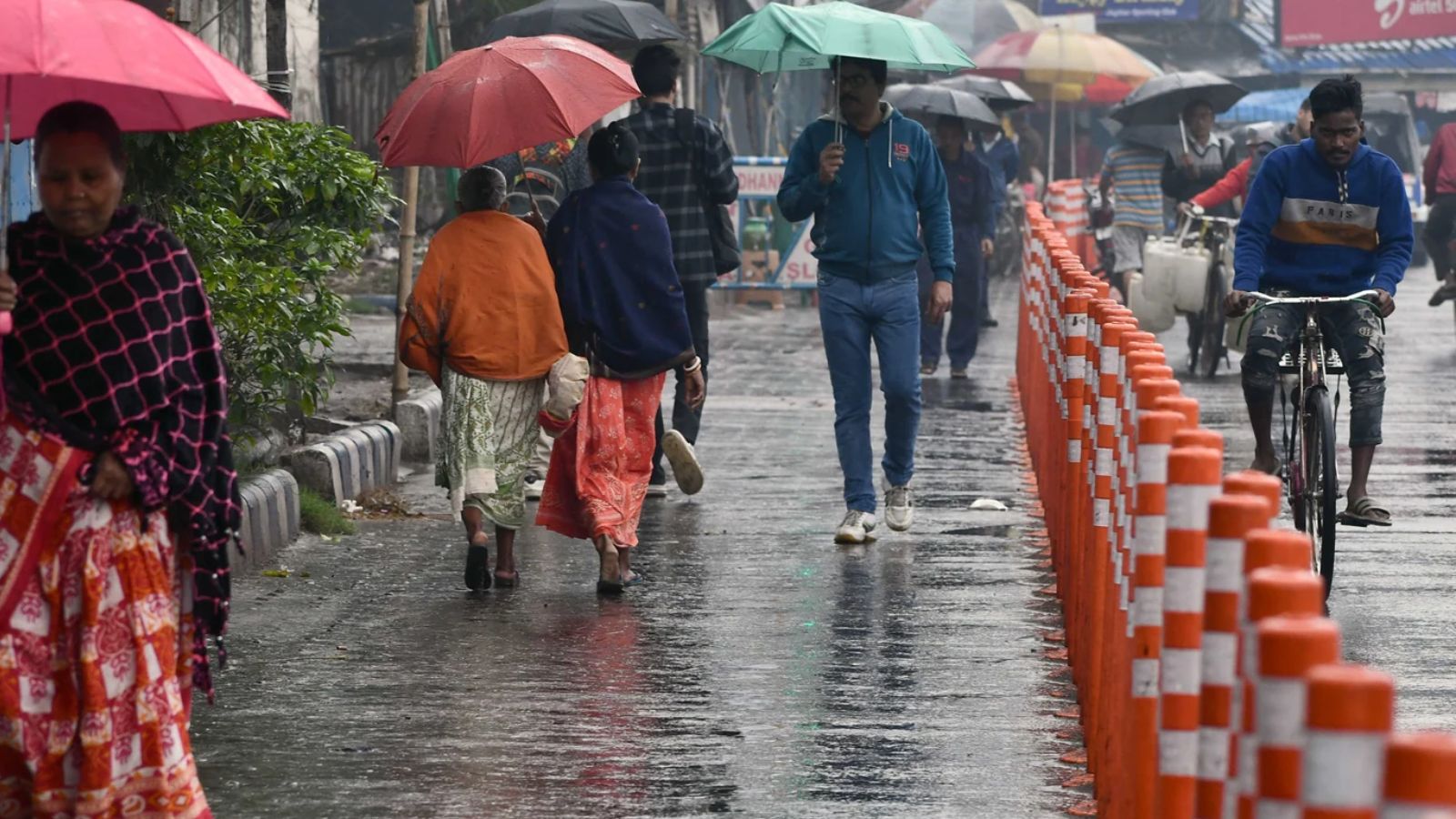
The India Meteorological Department (IMD) has issued a heavy rain alert for several districts in North Bengal, warning that the downpour will continue until July 20. The weather department has advised residents and local authorities to stay cautious as the region may face flooding and landslides. This alert comes as the monsoon remains active over the area, bringing continuous rainfall.
Main Impact
The heavy rain alert directly affects daily life in North Bengal, especially in the districts of Darjeeling, Kalimpong, Jalpaiguri, and Alipurduar. The IMD has warned that these areas could receive very heavy rainfall, which may lead to waterlogging, rising river levels, and landslides in hilly regions. The alert is a call for preparedness to avoid loss of life and property.
Key Details
What Happened
The IMD's regional office in Kolkata issued the alert on July 17, stating that a low-pressure area over the Bay of Bengal is pulling in moisture, causing heavy rain across North Bengal. The weather department has predicted that the rain will be most intense between July 18 and July 20. Officials have been asked to stay ready for emergency response.
Important Numbers and Facts
The alert covers at least five districts: Darjeeling, Kalimpong, Jalpaiguri, Alipurduar, and Cooch Behar. The IMD has forecast that some places may receive more than 200 mm of rain in 24 hours. The warning is in place until July 20, but the weather department will update if conditions change. The monsoon has already caused above-normal rainfall in the region this month.
Background and Context
North Bengal is known for its hilly terrain and tea gardens, which are sensitive to heavy rain. Every year, the monsoon brings risks of landslides and floods to this region. In the past, heavy rain has damaged roads, homes, and crops, and has even caused loss of life. The IMD's alert is a standard safety measure to help people and authorities prepare for such events. The region's rivers, like the Teesta and Jaldhaka, often swell during heavy rain, increasing flood risks.
Public or Industry Reaction
Local authorities in the affected districts have been put on high alert. District magistrates have been asked to keep relief teams and equipment ready. Schools in some areas have been advised to remain closed if rain becomes too heavy. Residents in low-lying areas have been told to move to safer places if needed. The tea industry, which is a major employer in the region, is also watching the situation closely as heavy rain can damage tea leaves and delay plucking.
What This Means Going Forward
The heavy rain alert means that people in North Bengal should avoid unnecessary travel, especially in hilly areas where landslides are possible. Farmers may need to protect their crops from waterlogging. The IMD will continue to monitor the weather and may issue further warnings. If the rain continues beyond July 20, the risk of flooding could increase. Authorities are likely to keep disaster response teams on standby until the monsoon weakens.
Final Take
The heavy rain alert for North Bengal is a serious reminder of the power of the monsoon. While rain is needed for agriculture and water supply, too much of it can cause harm. The best way to stay safe is to follow the weather department's advice and be prepared. Residents should stay updated through official channels and avoid taking risks during the downpour.
Frequently Asked Questions
Which areas in North Bengal are under the heavy rain alert?
The alert covers Darjeeling, Kalimpong, Jalpaiguri, Alipurduar, and Cooch Behar districts. These areas are expected to receive very heavy rainfall until July 20.
What should people do during the heavy rain alert?
People should avoid traveling unless necessary, stay away from rivers and landslide-prone areas, and follow instructions from local authorities. Those in low-lying areas should be ready to move to safer places if water levels rise.
How long will the heavy rain last in North Bengal?
The India Meteorological Department has said the heavy rain will continue until July 20. However, the weather department will update its forecast if conditions change.



