
Summary
President Droupadi Murmu has officially nominated Harivansh Narayan Singh to the Rajya Sabha, the upper house of India’s Parliament. This decision comes at a time when a seat became vacant following the retirement of Ranjan Gogoi. Ranjan Gogoi is a former Chief Justice of India who had served his full term as a nominated member. This move is important because it ensures that an experienced leader remains in a key position within the government’s law-making body.
Main Impact
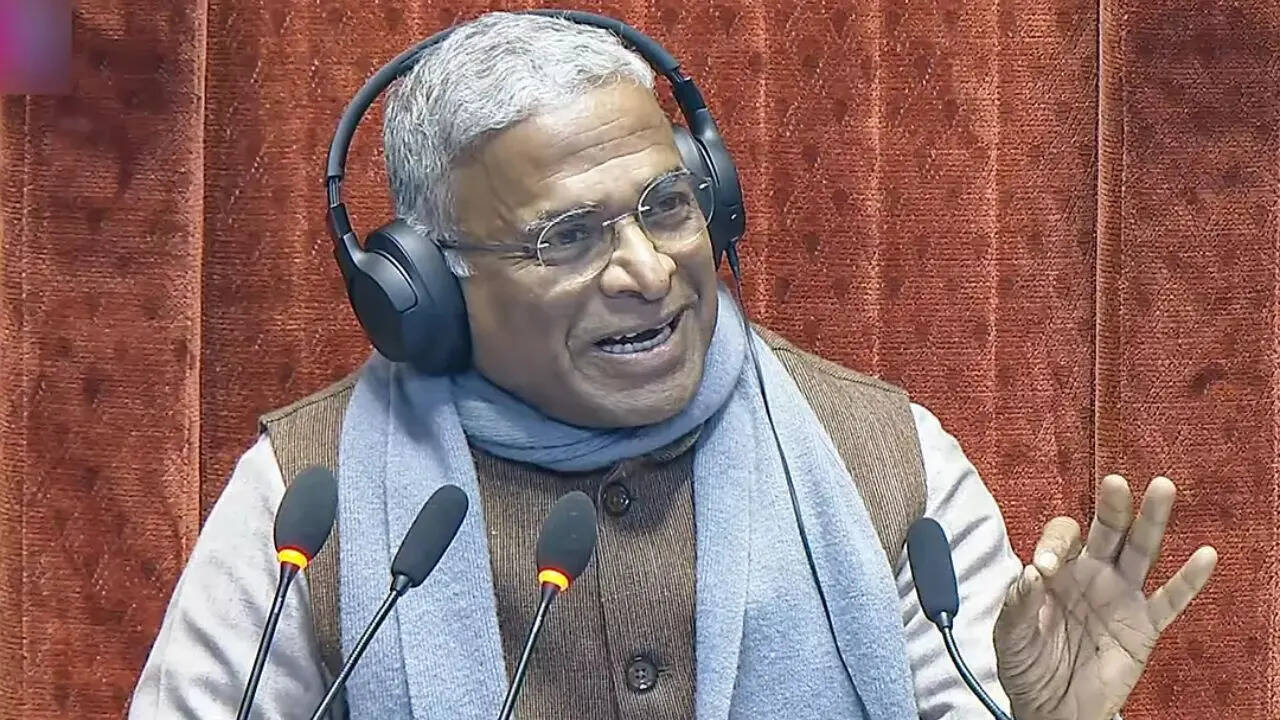
The nomination of Harivansh Narayan Singh has a direct impact on how the Rajya Sabha will function in the coming years. He currently serves as the Deputy Chairman of the house, a role that requires a deep understanding of parliamentary rules and the ability to manage intense debates. By nominating him again, the government is choosing stability and continuity. This ensures that the leadership of the house stays in the hands of someone who knows how to handle the daily business of Parliament without delays.
Furthermore, this appointment strengthens the relationship between the ruling coalition and its partner parties. Harivansh Narayan Singh belongs to the Janata Dal (United), or JD(U), which is a major ally of the government. Keeping him in this high-ranking position shows that the government values its partners and wants to maintain a strong, united front in the upper house.
Key Details
What Happened
The President of India used her legal powers to appoint Harivansh Narayan Singh to the Rajya Sabha. Under the Indian Constitution, the President has the authority to choose 12 members to sit in the upper house. These members are usually people who have done great work in fields like art, science, literature, or social service. In this case, the vacancy was created because Ranjan Gogoi, who was nominated in 2020, finished his term and retired from the house.
Important Numbers and Facts
The Rajya Sabha consists of 245 members in total. While most members are elected by state legislatures, 12 are hand-picked by the President. Harivansh Narayan Singh has a long history in public life. He was first elected to the Rajya Sabha in 2014 and was re-elected in 2020. He has served as the Deputy Chairman since August 2018. His new nomination allows him to continue his work for another six-year term. Ranjan Gogoi, the man he is replacing, made history as the first former Chief Justice of India to be nominated to the Rajya Sabha shortly after leaving the Supreme Court.
Background and Context
To understand why this matters, it is helpful to know how the Rajya Sabha works. It is often called the "House of Elders." Unlike the Lok Sabha, where members are elected directly by the people every five years, the Rajya Sabha is a permanent body. This means it never fully closes. Instead, one-third of its members retire every two years, and new ones are brought in. This system ensures that there is always a group of experienced lawmakers available to run the country.
Harivansh Narayan Singh himself has a very interesting background. Before entering politics, he was a very successful journalist. He worked for major newspapers and was the chief editor of a popular Hindi daily called Prabhat Khabar for many years. He also worked closely with former Prime Minister Chandra Shekhar as an advisor. His transition from journalism to politics has been marked by his reputation for being calm, fair, and very knowledgeable about Indian history and law.
Public or Industry Reaction
The reaction to this nomination has been mostly positive within the political circles of the National Democratic Alliance (NDA). Leaders from the JD(U) have welcomed the move, seeing it as a sign of respect for their veteran leader. Many political experts believe that Harivansh is the right choice because he has proven his ability to run the house even during loud and difficult protests. He is known for following the rulebook strictly, which helps maintain order during sessions.
On the other hand, some members of the opposition have raised questions in the past about the process of nominating political figures to seats meant for "experts." However, Harivansh’s long career in journalism is widely accepted as a strong qualification for the "literature" or "social service" categories used for nominations. Most people agree that his experience as Deputy Chairman makes him an essential part of the current parliamentary setup.
What This Means Going Forward
Looking ahead, Harivansh Narayan Singh will likely continue to play a major role in how laws are passed in India. As the Deputy Chairman, he will often sit in the big chair to lead meetings when the Vice President is not there. His presence will be very important during the upcoming sessions where the government plans to introduce new bills and reforms. Because he has the respect of many different parties, he can help bridge the gap between the government and the opposition during disagreements.
For the JD(U), this nomination ensures they keep a high-profile representative in New Delhi. It also signals that the current government wants to keep its leadership team together as they move toward future goals. The focus will now be on how he uses this new term to improve the efficiency of the house and ensure that every member gets a fair chance to speak.
Final Take
The decision to nominate Harivansh Narayan Singh is a practical move that favors experience over change. By filling the seat left by Ranjan Gogoi with a seasoned politician and journalist, the President has ensured that the Rajya Sabha remains in capable hands. This appointment highlights the importance of having steady leadership in a place as busy and important as the Indian Parliament.
Frequently Asked Questions
Who is Harivansh Narayan Singh?
He is a veteran journalist and a politician from the JD(U) party. He currently serves as the Deputy Chairman of the Rajya Sabha.
Why was he nominated by the President?
He was nominated to fill a vacancy in the Rajya Sabha after the retirement of Ranjan Gogoi. The President can nominate 12 people who have special expertise in various fields.
How long is a term in the Rajya Sabha?
A member of the Rajya Sabha serves a term of six years. The house itself never dissolves, but members retire in groups every two years.



