
Summary
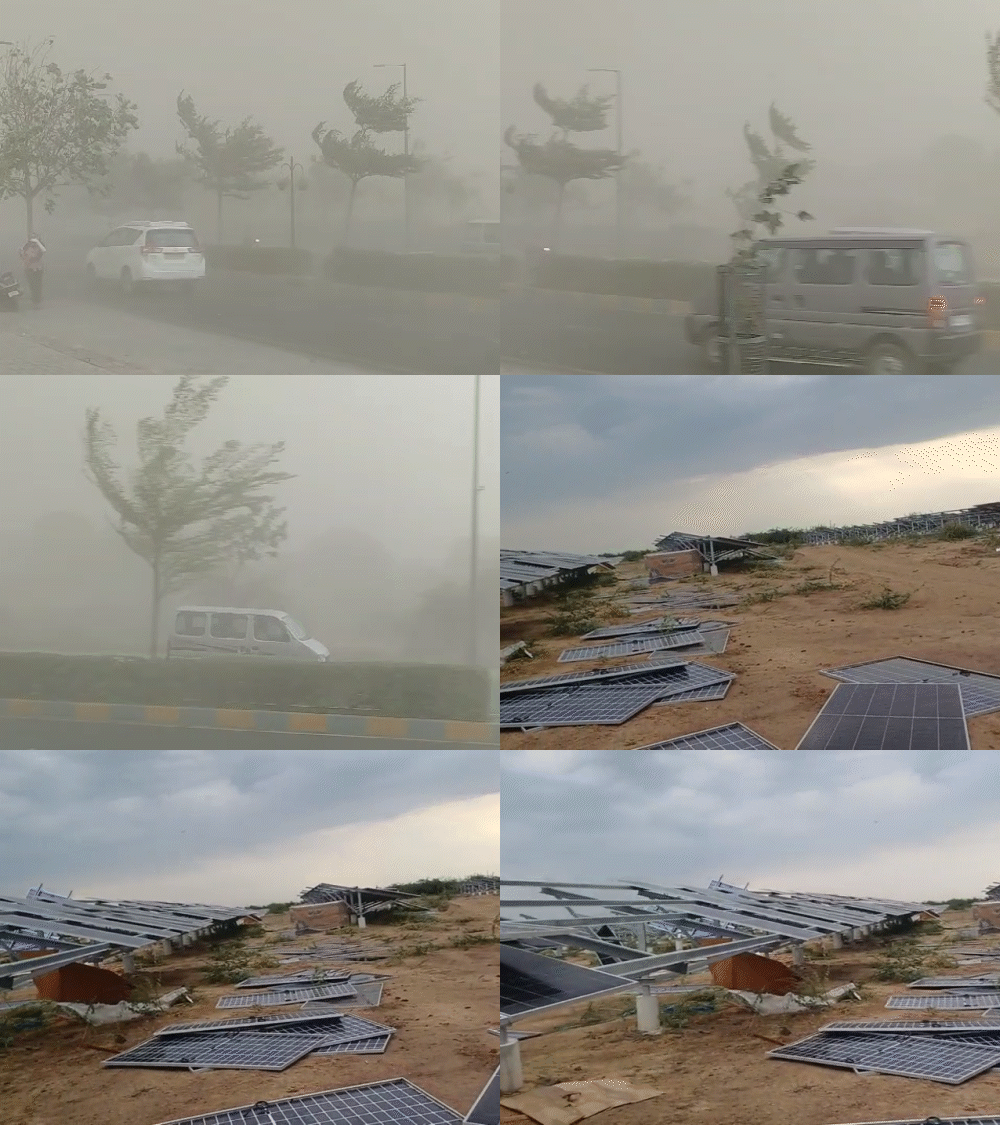
Gujarat is currently experiencing a sudden change in weather, with many parts of the state facing unseasonal rain and powerful winds. This "mini-storm" began early on March 19, 2026, causing trees to fall in cities like Ahmedabad and damaging solar panels in rural areas like Banaskantha. The weather shift has brought a temporary break from the summer heat, but it has caused serious damage to ready-to-harvest crops. Farmers across the state are worried as the weather department predicts these conditions will continue for at least another day.
Main Impact
The biggest impact of this unexpected weather is the heavy damage to the agricultural sector. Crops such as mangoes, tobacco, cumin, and fennel have been hit hard by the rain and wind. In urban areas, the storm has disrupted daily life by knocking down power lines and causing traffic problems. Strong winds reaching up to 40 kilometers per hour have created massive dust clouds, making it difficult for drivers to see the road clearly.
Key Details
What Happened
Starting early Thursday morning, a strong wind system moved across Gujarat. In Ahmedabad, the wind was so strong that it uprooted trees and broke large branches, which blocked several roads. In the Banaskantha district, the storm was powerful enough to blow away solar panels installed on rooftops. In Visnagar, shop owners saw their metal sheds collapse, and large advertising boards were torn down by the wind.
The storm also caused power outages in several neighborhoods. Areas like Ujala and Vanzar lost electricity as the wind damaged the local power grid. In Himatnagar, the dust was so thick that the entire sky turned a brownish color, forcing people to stay indoors.
Important Numbers and Facts
- Wind speeds were recorded between 30 and 40 kilometers per hour.
- More than 25 districts in Gujarat are under a weather alert.
- Temperatures are expected to drop by 2 to 3 degrees Celsius over the next 48 hours.
- The weather alert is active until March 20, 2026.
- Major crops affected include mango, tobacco, cumin (jeeru), castor (divela), and fennel (variyali).
Background and Context
This type of unseasonal rain is often called "Mavthu" in Gujarat. It usually happens when there is a disturbance in the air coming from the western part of the world, known as a Western Disturbance. This year, the system is combined with a cyclonic circulation in the upper atmosphere, making the storm more intense than usual. While rain is usually a good thing, getting it in late March is bad for farmers because this is the time when most winter crops are ready to be picked and sold.
Public or Industry Reaction
Farmers are expressing deep concern over their financial losses. Many had invested heavily in crops like cumin and tobacco, which are very sensitive to moisture. The sudden rain can ruin the quality of these crops, leading to lower prices in the market. In the cities, residents are frustrated by the power cuts and the mess left behind by fallen trees. However, some people have welcomed the cooler air, as the state was starting to feel the early heat of summer.
What This Means Going Forward
The weather department has warned that the risk is not over yet. For the next 24 hours, districts like Sabarkantha, Aravalli, Dahod, and Kutch should expect more rain and thunder. People are advised to avoid standing under trees or near old buildings during high winds. Farmers are being told to move their harvested crops to safe, dry places if possible. After March 20, the weather is expected to clear up, and temperatures will likely start rising again as summer officially takes over.
Final Take
This mini-storm serves as a reminder of how unpredictable the weather can be during the change of seasons. While the cool breeze is a nice break from the heat, the damage to Gujarat’s farming heartland is a serious issue. The focus now will be on assessing the total loss and helping the affected communities recover from this sudden natural event.
Frequently Asked Questions
Which districts are most affected by the rain?
Over 25 districts are affected, including Ahmedabad, Banaskantha, Patan, Rajkot, Surat, and Kutch. The northern and coastal regions have seen the strongest winds.
Why is this rain happening in March?
The rain is caused by a Western Disturbance and a cyclonic circulation system in the atmosphere. These systems bring moisture and wind from the west into Gujarat.
How long will this stormy weather last?
The weather department expects the unseasonal rain and strong winds to continue until March 20, 2026. After that, the weather is expected to become stable and dry.



