
Summary
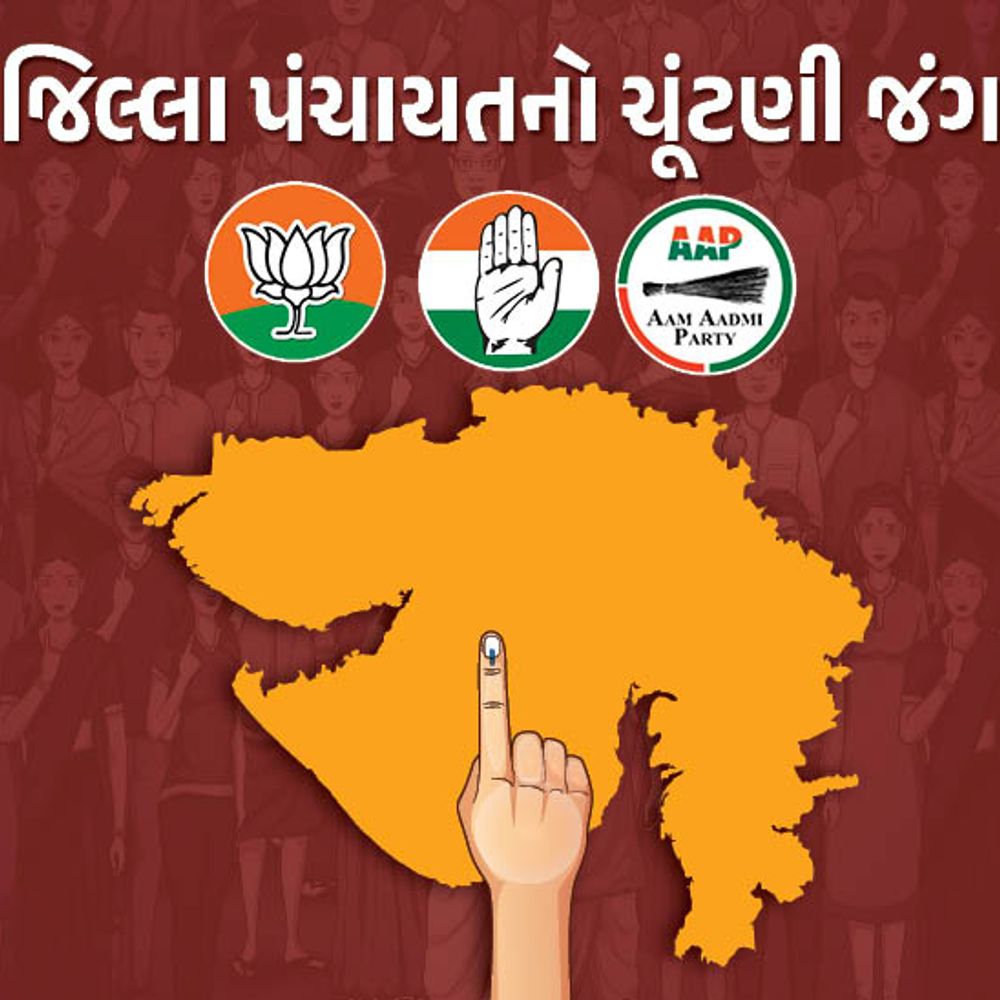
Gujarat is preparing for a major political event as the local government elections approach. On April 26, 2026, voters across the state will cast their ballots to choose new leaders for various local bodies. This election is significant because it features a three-way competition between the Bharatiya Janata Party (BJP), the Congress, and the Aam Aadmi Party (AAP). The results, which will be announced after the counting on April 28, will decide the leadership for many cities, towns, and villages.
Main Impact
The most important change in this election is the shift from a traditional two-party race to a three-party battle. For many years, Gujarat politics mostly involved the BJP and the Congress. Now, with the AAP actively participating and naming candidates, the competition has become more intense. This three-way fight could change how votes are shared, making it harder to predict which party will win control of the local councils and panchayats.
Key Details
What Happened
The election process has officially started with political parties announcing their candidates. The BJP has already released its list of names for the Ahmedabad District Panchayat and several Taluka Panchayats. At the same time, the Congress and AAP are also finalizing their lists to ensure they have strong representatives in every seat. This early preparation shows how much importance every party is giving to these local seats.
Important Numbers and Facts
The scale of this election is very large, covering both urban and rural areas of Gujarat. Here are the key figures for the upcoming vote:
- Election Date: April 26, 2026.
- Result Date: April 28, 2026.
- Municipal Corporations: 15 major cities will vote for new leaders.
- Municipalities: 84 smaller towns are included in the process.
- District Panchayats: 34 districts will elect their local representatives.
- Taluka Panchayats: 260 smaller administrative blocks will hold elections.
Background and Context
Local government elections are often called the "grassroots" of democracy. While state and national elections get a lot of attention, these local votes directly affect the daily lives of citizens. The people elected to these positions are responsible for basic services like clean drinking water, street lights, local roads, and primary schools. In rural areas, the District and Taluka Panchayats manage agricultural support and village development projects.
In Ahmedabad, the District Panchayat is a powerful body that oversees many rural and semi-urban areas surrounding the main city. Winning here gives a political party a strong base of support among rural voters. Because of this, the BJP, Congress, and AAP are putting a lot of effort into their campaigns in these specific regions.
Public or Industry Reaction
The public reaction has been one of high interest. Voters are curious to see how the AAP will perform against the two older parties. Many people are looking for candidates who promise to fix local issues like drainage and road quality. Within the political parties, there is a lot of activity as leaders try to balance different local groups and interests when picking candidates. Some experts believe that the AAP might attract younger voters or those who want a change from the traditional options, while the BJP relies on its strong organization and the Congress focuses on its long-standing ties with local communities.
What This Means Going Forward
The outcome of the April 26 election will serve as a test for all three parties. For the BJP, it is an opportunity to show that they still have a strong hold over Gujarat. For the Congress, it is a chance to regain ground and prove they are still the main alternative. For the AAP, a good performance would establish them as a permanent and serious force in the state's politics.
After the voting ends, the focus will quickly shift to the counting day on April 28. The winners will have to start working immediately to address the promises made during the campaign. These local leaders will hold their positions for the next five years, meaning the choices made by voters this month will have long-lasting effects on their communities.
Final Take
This election is more than just a simple vote; it is a clear sign of how the political map of Gujarat is changing. With three major parties fighting for every seat, the competition is tighter than ever before. Voters now have more choices, and the parties have to work harder to earn their trust. The results on April 28 will tell us which vision for local development the people of Gujarat prefer.
Frequently Asked Questions
When will the Gujarat local elections take place?
The voting for the local government bodies, including panchayats and municipalities, is scheduled for April 26, 2026.
Which parties are competing in the Ahmedabad District Panchayat?
The main competition is between three parties: the Bharatiya Janata Party (BJP), the Indian National Congress, and the Aam Aadmi Party (AAP).
How many local bodies are involved in this election?
The election covers 15 municipal corporations, 84 municipalities, 34 district panchayats, and 260 taluka panchayats across the state.



