
Summary
The local government elections in Gujarat have seen a massive response, with more than 26,000 people filing their papers to run for office. This huge number comes after the final day for submitting nominations ended with a rush of activity across the state. These elections cover various levels of local government, including big city corporations, smaller town municipalities, and rural district and taluka councils. The high level of participation suggests that the upcoming elections will be very competitive as different political groups fight for control at the local level.
Main Impact
The primary impact of this high candidate turnout is the increased choice for voters and the intense pressure on political parties. With 26,216 candidates in the race, every seat is likely to see a multi-way contest. This level of interest shows that local politics remains a vital part of the state's democratic process. It also means that the winners will have a strong mandate to manage local issues like roads, water supply, and public health. For the political parties involved, these numbers represent a major logistical effort to manage their supporters and ensure their official candidates stay ahead of independent challengers.
Key Details
What Happened
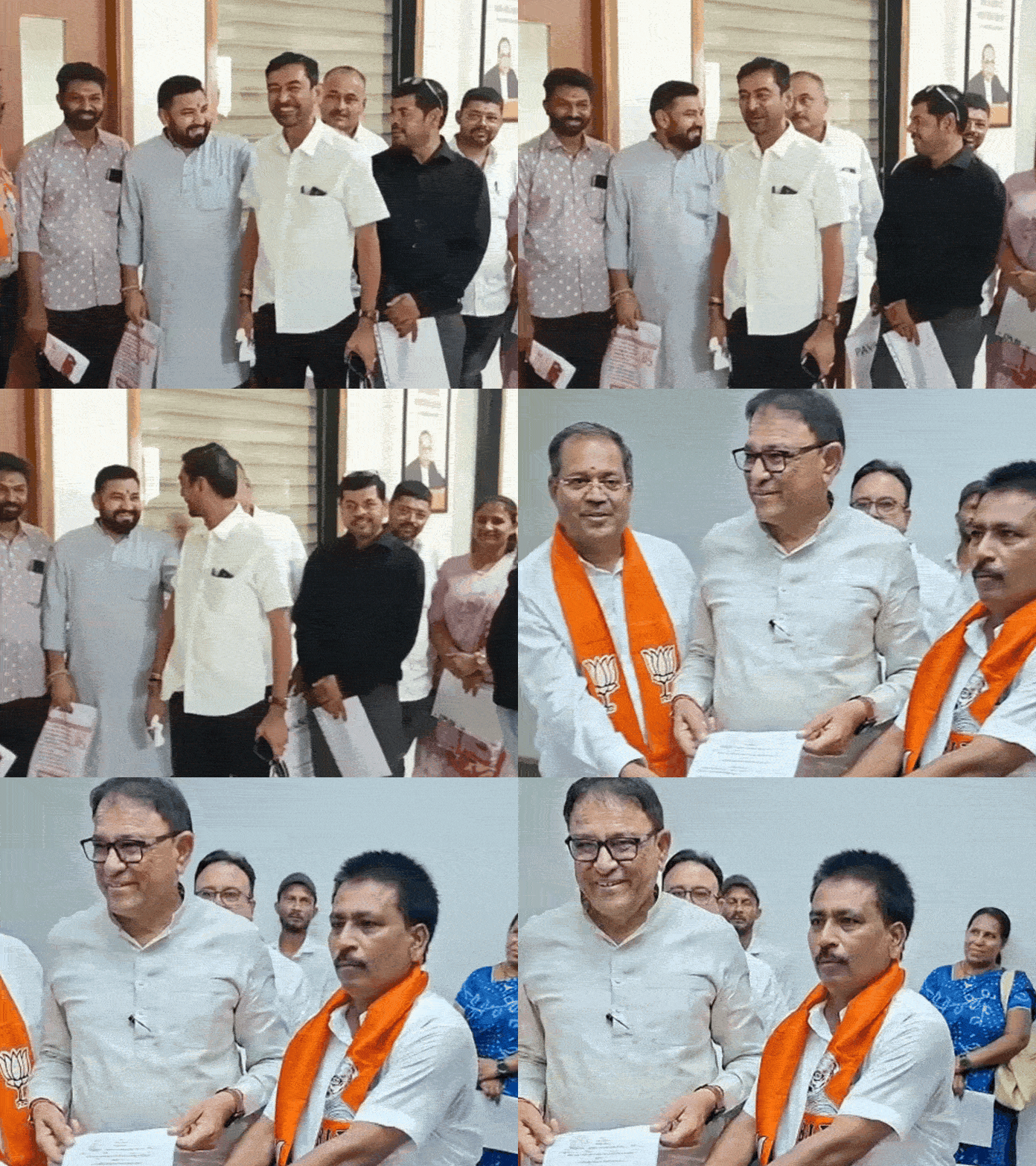
The deadline for filing nomination forms for the Gujarat local body elections closed today. The final day was marked by a lot of political excitement and crowds at government offices. Many candidates waited until the very last moment to submit their papers. This happened because many political parties took a long time to decide on their official list of names. Once the names were announced, there was a race to get the paperwork finished and submitted before the clocks stopped. This led to long lines and a very busy atmosphere in cities and towns throughout Gujarat.
Important Numbers and Facts
The total number of candidates who filed their forms reached 26,216. This is broken down into different categories of local government:
- Municipal Corporations (Mahanagarpalika): 4,703 candidates filed forms to represent the state's largest cities.
- Municipalities (Nagarpalika): 4,958 candidates are running for seats in smaller urban towns.
- District and Taluka Panchayats: A total of 16,555 candidates filed nominations for these rural and semi-rural governing bodies.
These figures show that the rural areas have the highest number of people interested in joining local government, though the competition in the cities is also very high.
Background and Context
Local body elections are often called "grassroots democracy." In Gujarat, these elections are held to pick leaders for three main types of local groups. The Municipal Corporations look after big cities like Ahmedabad, Surat, and Rajkot. The Municipalities take care of smaller towns. The Panchayats are responsible for villages and rural districts. These groups are very important because they handle the services people use every day, such as trash collection, street lights, and local schools. Because these leaders are close to the people, these elections are a good way to see which political parties are popular at the moment.
Public or Industry Reaction
The reaction on the ground was one of high energy. Supporters of various candidates gathered outside election offices with banners and music to cheer for their leaders. However, there was also some tension. Because some parties delayed their final decisions on who would get a "ticket" (the right to represent the party), some candidates were seen rushing to file their papers with only minutes to spare. Political experts say this rush is common but shows how much competition exists even within the same party. Local citizens are watching closely, as the large number of candidates means they will have to spend more time learning about who is running in their specific area.
What This Means Going Forward
Now that the filing period is over, the next step is the "scrutiny" process. Election officials will look at every single form to make sure the information is correct and that the candidates meet all the legal requirements. If a form has a big mistake, that candidate might be disqualified. After scrutiny, there is usually a short period where candidates can choose to withdraw their names if they no longer want to run. Once that is done, the final list of names will be printed on the ballot papers. The large number of candidates means the counting process after the election might take longer than usual, and the campaign period will likely be very loud and active.
Final Take
The fact that over 26,000 people want to serve in local government is a positive sign for democracy in Gujarat. It shows that people are eager to take part in how their communities are run. While the large number of candidates makes the race more complicated, it also ensures that many different voices and ideas are being brought to the table. The coming weeks will be a test of strength for the major political parties as they try to turn these nominations into actual election wins.
Frequently Asked Questions
How many total candidates filed for the Gujarat local elections?
A total of 26,216 candidates filed their nomination papers across all levels of local government in the state.
Which area had the highest number of nominations?
The District and Taluka Panchayats saw the highest number of nominations, with 16,555 people filing to run for these rural seats.
What happens after the nomination forms are filed?
Election officials will check the forms during a process called scrutiny. After that, candidates have a chance to withdraw their names before the final list is set for the election.



