
Summary
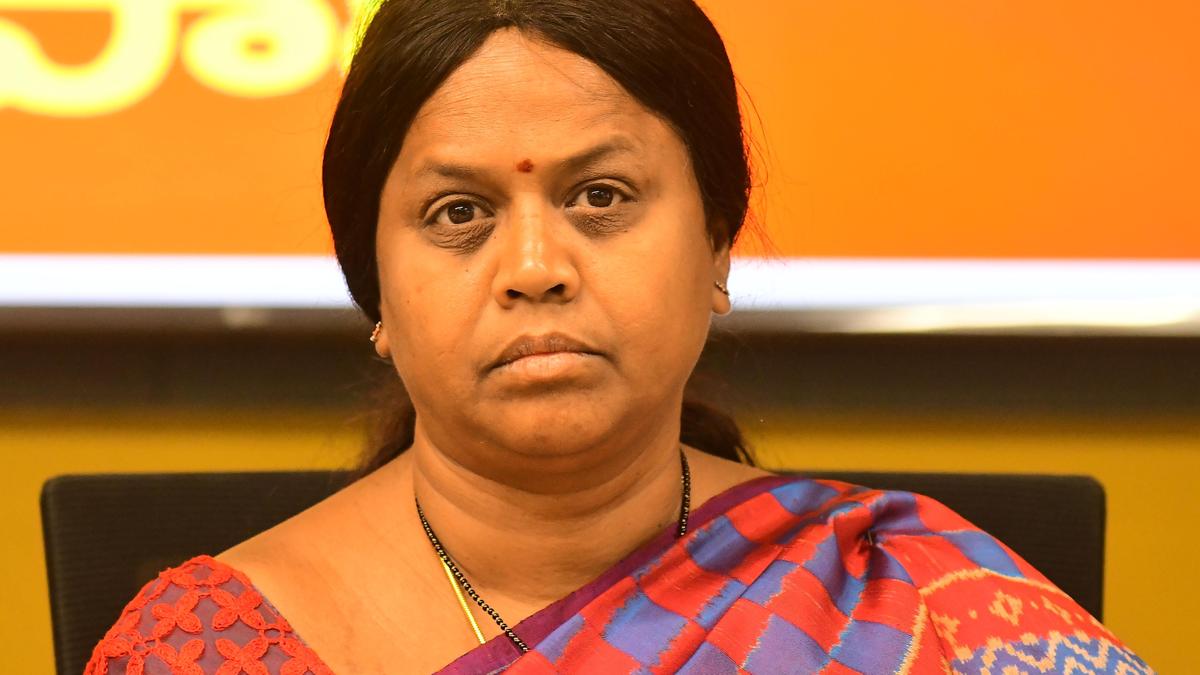
A member of the Telugu Desam Party (TDP), MLC Pothula Anuradha, has publicly criticized the YSRCP government regarding a new project in Visakhapatnam. She claims that the YSRCP is wrongly taking credit for bringing a Google Data Centre to the city. According to Anuradha, the initial work and planning for this project began years ago under the leadership of N. Chandrababu Naidu. She argues that the current government is trying to claim a victory that they did not earn, while the project itself holds the potential to create nearly 1.80 lakh jobs for local people.
Main Impact
The main impact of this dispute is a heated political debate over industrial growth in Andhra Pradesh. If the Google Data Centre moves forward as planned, it could change the job market in Visakhapatnam significantly. The creation of 1.80 lakh jobs would provide a massive boost to the local economy and offer new paths for young professionals. However, the disagreement between the TDP and YSRCP creates confusion about which policies actually brought the tech giant to the state. This argument highlights how important big tech investments are for political parties trying to prove their success in developing the region.
Key Details
What Happened
During a recent press meeting, TDP MLC Pothula Anuradha spoke out against the YSRCP's claims. She stated that the groundwork for the Google Data Centre was laid between 2014 and 2019 when N. Chandrababu Naidu was the Chief Minister. She alleged that the YSRCP government had previously tried to stop or delay the project after they came into power. Now that the project is becoming a reality, she says the ruling party is trying to change the story to make it look like their own achievement. The MLC insisted that the public should know the true history of how these talks with Google began.
Important Numbers and Facts
The most significant figure mentioned in this report is the 1.80 lakh jobs that the project is expected to generate. This includes both direct roles at the data center and indirect jobs in the surrounding community. The timeline mentioned by the TDP spans from 2014 to the present, showing a long process of negotiation and planning. Visakhapatnam, often called Vizag, is the chosen location for this center because of its existing tech buildings and its position as a major city in Andhra Pradesh. The MLC also pointed out that many other projects started during the TDP's time were slowed down over the last few years.
Background and Context
To understand why this matters, it is helpful to know what a data center is. A data center is a large building filled with powerful computers and storage systems. These centers keep the internet running by storing data for websites, apps, and services like Google Search or YouTube. For a city, having a Google Data Centre is a sign of high status in the tech world. It usually leads to better internet systems, more stable power grids, and more high-paying jobs.
In Andhra Pradesh, there has been a long-standing competition to turn Visakhapatnam into a "Silicon Valley" of India. N. Chandrababu Naidu is known for his focus on technology and previously helped turn Hyderabad into a tech hub. When the state was divided, he wanted to do the same for Vizag. The YSRCP, led by Y.S. Jagan Mohan Reddy, has also focused on development but often through different methods. This has led to a constant back-and-forth over which leader is better for the state's economy.
Public or Industry Reaction
The reaction to these claims has been split along political lines. Supporters of the TDP believe that Naidu’s "Vision 2029" plan was the reason Google showed interest in the first place. They feel that the current government has not done enough to bring in new companies and is only finishing what was already started. On the other hand, supporters of the YSRCP argue that their current administration provided the necessary support and environment to make the deal final. Industry experts note that regardless of who gets the credit, the arrival of a company like Google is a positive sign for the state's business reputation.
What This Means Going Forward
Looking ahead, the focus will be on whether these 1.80 lakh jobs actually appear. Building a data center takes a lot of time and money. The government will need to ensure there is enough electricity and water to keep the facility running. If the project is successful, it could attract other big names like Microsoft or Amazon to the region. However, if the political fighting continues, it might make other big companies nervous about investing in the state. The next few months will be critical as the project moves from the planning stage to actual construction.
Final Take
While political parties will always fight over who started a project, the real winners should be the citizens of Andhra Pradesh. The Google Data Centre represents a major step forward for Visakhapatnam. Whether the credit belongs to the past government or the current one, the focus must remain on completing the project and ensuring that the promised jobs go to the local youth. Clear communication and steady support for businesses will be more important than political arguments in the long run.
Frequently Asked Questions
How many jobs will the Google Data Centre create?
The project is expected to create approximately 1.80 lakh jobs, including both direct and indirect employment opportunities in the region.
Why is there a dispute between the TDP and YSRCP?
The TDP claims they started the project between 2014 and 2019, while the YSRCP is currently taking credit for its arrival. Both parties want to be seen as the ones responsible for the state's economic growth.
Where will the data center be located?
The Google Data Centre is planned to be built in Visakhapatnam, which is a major port city and a growing technology hub in Andhra Pradesh.

