
Summary
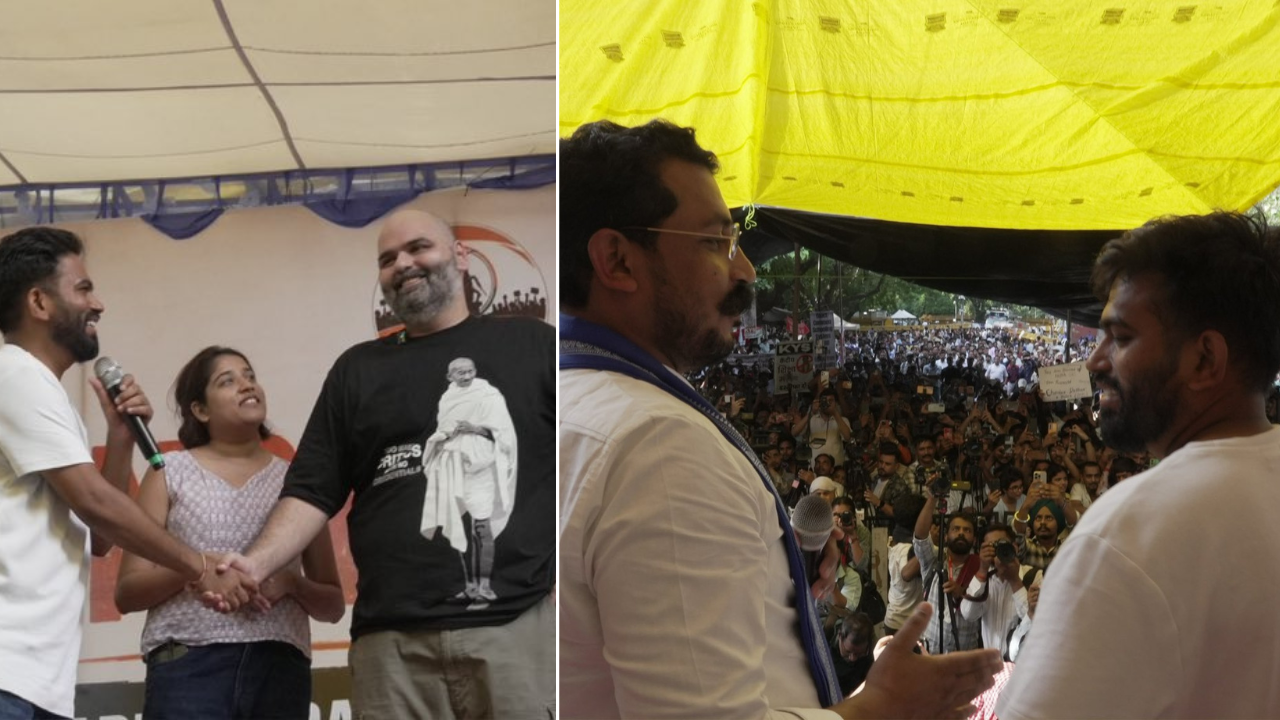
On the 25th day of a protest by the Confederation of Indian Professionals (CJP), comedian Kunal Kamra and activist Chandrashekhar Azad joined the demonstrators. The protest, which has been ongoing for nearly a month, highlights poor working conditions and alleged exploitation of professionals in the gig economy. The presence of well-known figures has brought more attention to the demands of the workers.
Main Impact
The protest, now in its 25th day, has gained significant momentum with the participation of high-profile supporters. Kunal Kamra and Chandrashekhar Azad's involvement is expected to amplify the voices of the workers and put pressure on companies to address their grievances. The core issue revolves around unfair pay, lack of job security, and unsafe working environments, which have been described as "jam-packed with cockroaches" by some participants.
Key Details
What Happened
On day 25 of the protest, comedian Kunal Kamra and activist Chandrashekhar Azad joined the CJP demonstrators in New Delhi. The protest began nearly a month ago and has seen daily participation from gig workers, delivery partners, and other professionals. The workers are demanding better wages, safer working conditions, and an end to what they call exploitative practices by major platforms.
Important Numbers and Facts
The protest has been ongoing for 25 days. It started in late June 2026. The CJP claims that thousands of workers have participated at various points. The demonstrators have been camping at a central location in the city, with many taking time off from work to join the protest. The presence of Kamra and Azad is seen as a major boost for the movement.
Background and Context
The gig economy has grown rapidly in India over the past few years. Many people work as delivery drivers, food delivery partners, and other short-term roles. These workers often do not have fixed salaries, health benefits, or job security. The CJP has been advocating for better treatment of these workers, including minimum wage guarantees, accident insurance, and safer working conditions. The protest is part of a larger movement across the country to improve the lives of gig workers.
Public or Industry Reaction
The public reaction has been mixed. Many people on social media have expressed support for the workers and praised Kamra and Azad for joining the protest. Some have criticized the companies involved, calling for stricter regulations. However, industry representatives have argued that the gig economy provides flexible work opportunities and that the demands of the protesters are unrealistic. The companies have not yet made any major changes to their policies in response to the protest.
What This Means Going Forward
The involvement of well-known figures like Kunal Kamra and Chandrashekhar Azad could put more pressure on companies and the government to take action. The protest may lead to negotiations or policy changes. However, the workers have said they will continue until their demands are met. The outcome of this protest could set a precedent for how gig workers are treated in India in the future.
Final Take
The 25-day protest by the CJP has become a symbol of the growing frustration among gig workers in India. With the support of public figures, the movement has gained national attention. Whether this leads to real change will depend on how companies and the government respond. For now, the workers remain determined to fight for their rights.
Frequently Asked Questions
What is the CJP protest about?
The Confederation of Indian Professionals (CJP) is protesting against poor working conditions, low pay, and lack of job security for gig workers in India. The protest has been going on for 25 days.
Why did Kunal Kamra and Chandrashekhar Azad join the protest?
Both are public figures who support workers' rights. Their participation is meant to bring more attention to the demands of the gig workers and put pressure on companies to improve conditions.
What are the main demands of the protesters?
The protesters are demanding better wages, safer working environments, health insurance, and an end to what they call exploitative practices by gig economy platforms.



