
Summary
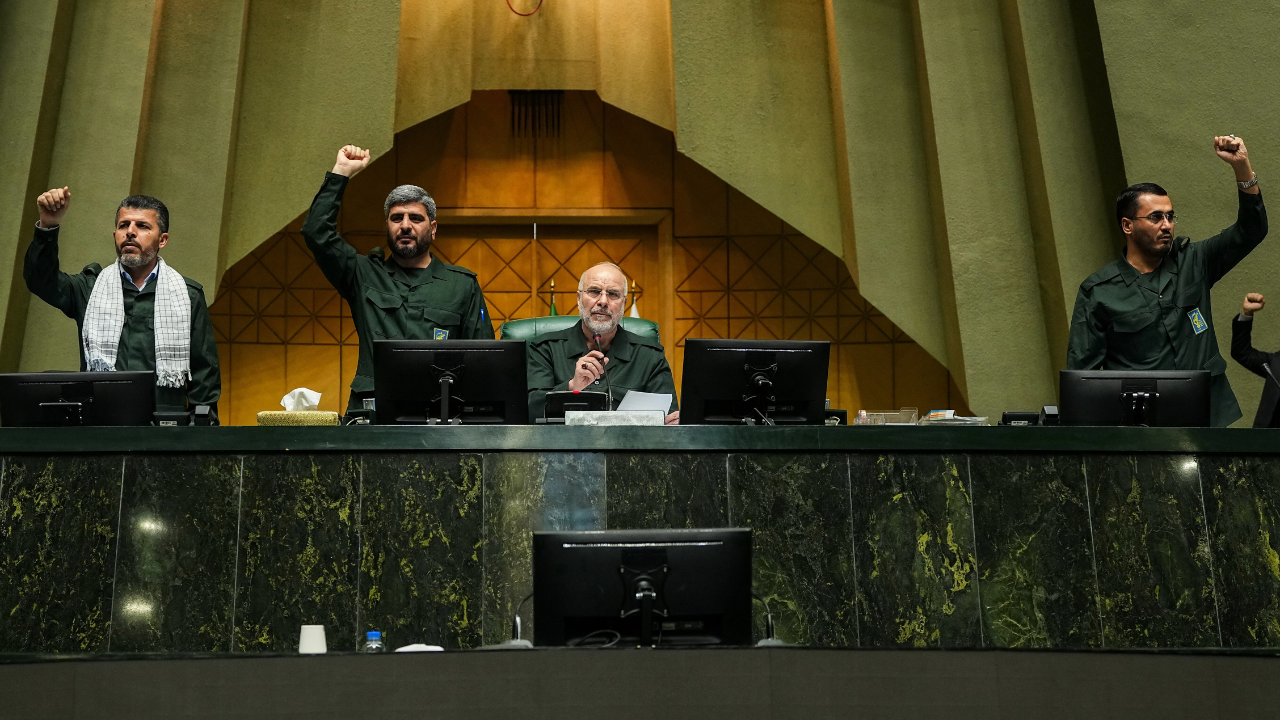
Mohammad Bagher Ghalibaf, the current Speaker of Iran’s Parliament, is increasingly seen as a key figure in potential talks between Iran and the United States. As rumors grow about secret communications, many wonder if the Trump administration views him as a leader who can actually get things done. This shift is important because it could signal a move away from years of total silence between the two nations. If Ghalibaf becomes the main point of contact, it may change the future of Iran’s government and its place in the world.
Main Impact
The biggest impact of this development is the possibility of a new "deal-making" era. For a long time, the relationship between the US and Iran has been defined by threats and sanctions. If Donald Trump is indeed looking for a specific person to talk to, it suggests he wants a partner who has real power within the Iranian system. This could lead to a change in how sanctions are handled, which would affect global oil prices and the stability of the Middle East.
Key Details
What Happened
Recent reports suggest that there are back-channel talks happening between people close to Donald Trump and Iranian officials. Mohammad Bagher Ghalibaf has emerged as the name most often mentioned in these discussions. Unlike some other leaders who focus only on religious or political ideas, Ghalibaf is known as a "technocrat." This means he focuses on building things, managing cities, and making systems work. This practical approach makes him an interesting choice for a US administration that prefers business-like negotiations over long diplomatic debates.
Important Numbers and Facts
Ghalibaf has a long history in the Iranian government. He served as the Mayor of Tehran for 12 years, from 2005 to 2017. Before that, he was the chief of the Iranian police and a commander in the Revolutionary Guard. He has run for president multiple times, showing his deep desire for the top job. Currently, as the Speaker of the Parliament, he controls how laws are made in Iran. This position gives him the authority to talk to foreign leaders while staying within the rules of the Iranian system.
Background and Context
To understand why this matters, we have to look at Iran’s current situation. The country has been under heavy economic pressure for years. Prices for food and fuel have gone up, and many people are struggling. The Iranian leadership knows that they need to fix the economy to stay in power. At the same time, the US wants to make sure Iran does not build nuclear weapons and stops supporting armed groups in other countries. In the past, talks have failed because neither side trusted the other. By picking a "strongman" like Ghalibaf, the US might feel they are talking to someone who can actually make the rest of the Iranian government follow a new agreement.
Public or Industry Reaction
The reaction to these rumors is mixed. Inside Iran, some hardliners think that talking to the US is a sign of weakness. They believe Ghalibaf might be giving up too much. On the other hand, many regular citizens are hopeful that any kind of talk could lead to fewer sanctions and a better life. In the US, some political experts worry that Ghalibaf is still too close to the military and cannot be trusted. However, those who support Donald Trump’s style of politics argue that you have to talk to the people in power if you want to see real change.
What This Means Going Forward
In the coming months, we will likely see if these rumors turn into real meetings. If Ghalibaf continues to gain support, he might become the next President of Iran or even take on a more powerful role. The next steps will involve small tests of trust. This could include prisoner swaps or small changes in oil trade rules. If these small steps work, a larger meeting between high-level officials could happen. However, the risk remains high. If either side feels they are being cheated, the talks could stop quickly, leading to even more tension than before.
Final Take
The idea of Ghalibaf as a US-backed leader is not about friendship; it is about finding a practical way to end a long fight. Both sides have things they want, and Ghalibaf appears to be the most logical person to sit at the table. Whether he can balance the demands of the US with the strict rules of his own country is the big question that will decide the future of the region.
Frequently Asked Questions
Who is Mohammad Bagher Ghalibaf?
He is the Speaker of the Iranian Parliament and a former Mayor of Tehran. He has a background in the military and police and is known for being a practical leader who focuses on results.
Why would Donald Trump want to talk to him?
Trump often prefers to deal with strong leaders who have the power to make decisions. Ghalibaf is seen as someone who understands how to manage the government and might be willing to make a deal to help Iran’s economy.
Does this mean sanctions on Iran will end?
Not immediately. Any change in sanctions would only happen after long negotiations and proof that Iran is following new rules regarding its nuclear program and regional activities.

