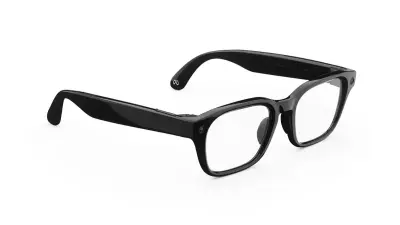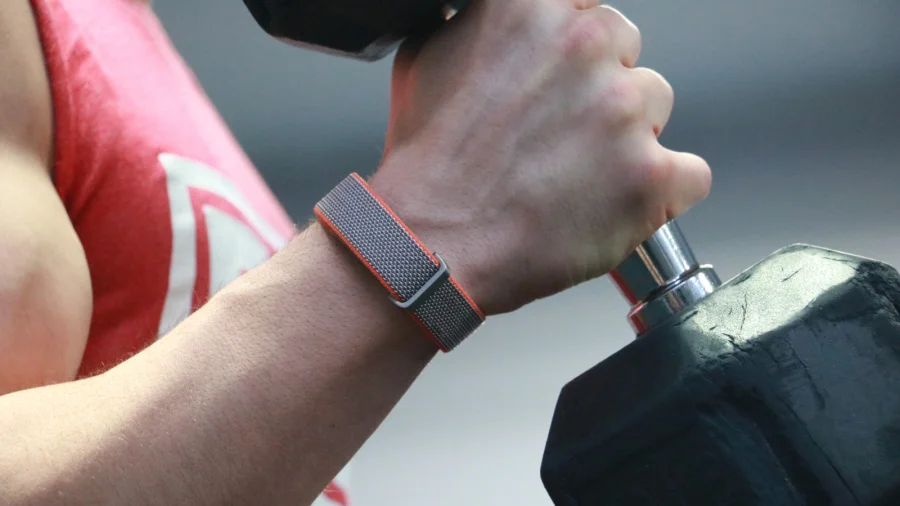
The moment you start comparing fitness trackers, the same doubt creeps in: is the more expensive one actually better, or am I just paying for the brand? That doubt sits at the centre of the latest comparison doing the rounds — Garmin Cirqa versus Fitbit Air. Garmin's new option reportedly lands about $100 higher than Fitbit's, which makes the question unavoidable for anyone shopping on a budget.
The $100 question at the heart of this comparison
Fitness tracker pricing is rarely straightforward. A $100 gap can reflect better battery life, built-in GPS, a sharper display, or simply a stronger brand name.
The original story framing puts it plainly: is Garmin's new option worth $100 more than the Fitbit Air? That is not a question anyone can answer confidently yet — because the official details needed to settle it have not been confirmed in any high-confidence source reviewed for this article.
What is actually confirmed about the Cirqa and the Air
Here is the honest position: very little. No official Garmin press release, no Fitbit (Google) product page, and no reliable retail listing has published verified specifications, pricing, or availability for either device.
This article will not invent specs to fill the gap. What the headline and original story do establish is that a comparison exists, and that a $100 price difference is the central point of debate.
What $100 usually buys in a fitness tracker
Even without official specs, the comparison framework is predictable. In this segment, the extra money typically goes toward:
- Built-in GPS for phone-free runs
- Battery life measured in days, not hours
- Better display quality, often AMOLED
- Advanced training, recovery, and heart-rate metrics
- Multi-sport and outdoor tracking modes
These are the categories worth checking when official spec sheets arrive. If the Garmin Cirqa covers several of them, the premium becomes easier to justify. If not, the Fitbit Air may be the smarter buy.
Garmin versus Fitbit: two different philosophies
Even before these two models, the brands have pointed in different directions. Garmin built its name on GPS navigation and sports-focused hardware, favoured by runners, cyclists, and outdoor athletes. Fitbit, now part of Google, built its reputation on accessible everyday tracking — steps, sleep, heart rate.
That history matters here. A $100 gap between a Garmin and a Fitbit often reflects a Garmin advantage in training depth and accuracy. But for someone who mainly wants daily activity and sleep insights, that depth can be overkill.
The risks of buying before the facts
The obvious risk is spending on hype. Without verified specifications, any claim that the Garmin Cirqa is either "clearly better" or "overpriced" is guesswork.
There is also the subscription angle: some fitness ecosystems push premium features behind monthly fees, which can quietly add to the real cost of the cheaper device. And there is the opposite risk — waiting too long and missing out if the Fitbit Air's lower price comes with a compromise that matters.
Confirmed facts versus what remains unclear
Confirmed: that a comparison between these two trackers, with a $100 gap in play, is the story under discussion. Confirmed: that Garmin and Fitbit operate with different brand positioning in the wearables market.
Unclear: the exact price of either device, release dates, battery life, sensor accuracy, display quality, and which features justify the difference. None of that has been verified. Treat any spec claim circulating online as unconfirmed until an official announcement.
What buyers should do right now
- Do not pre-order on the strength of a headline.
- Wait for official announcements from Garmin and Fitbit.
- When spec sheets arrive, compare what matters to you: battery, GPS, display, water resistance, and ecosystem lock-in.
- Read independent reviews, not just marketing material.
- If budget is the priority and the $100 buys features you will not use, the Fitbit Air becomes the rational choice.
The bigger picture in wearables
This $100 gap is not just about two devices. It mirrors a wider market shift: brands splitting between premium training hardware and accessible everyday health. Garmin has generally pushed upmarket with deeper performance tools, while Fitbit has focused on making health data simple and friendly.
That divergence means buyers are increasingly choosing not just which tracker, but which kind of relationship they want with their own health data.
Our Take
Comparisons sell, but they only help when the facts are anchored. Right now, the Garmin Cirqa versus Fitbit Air debate is a headline with a price gap and very little public record behind it.
The honest answer to the $100 question is: we do not know yet. That is not a dodge — it is the reality until Garmin and Fitbit publish official details. For buyers, the most valuable move right now is patience, not panic.
Frequently Asked Questions
Is the Garmin Cirqa worth $100 more than the Fitbit Air?
Based on currently available information, it is impossible to say. No official specifications or pricing for either device have been confirmed in high-confidence sources. The $100 gap could be justified by features like GPS, battery life, or display quality — but until Garmin and Fitbit publish official details, any verdict is speculation.
What are the Garmin Cirqa's official specifications?
None have been officially confirmed at the time of writing. No verified spec sheet from Garmin is publicly available. The safest approach is to wait for Garmin's official announcement or product page rather than rely on unverified claims.
When will the Garmin Cirqa and Fitbit Air launch?
Launch dates have not been confirmed in any high-confidence source reviewed for this article. Availability details should come directly from Garmin and Fitbit (Google) announcements.
How should I choose between two fitness trackers with a $100 price difference?
Compare features that affect daily use: battery life, built-in GPS, display quality, water resistance, and the companion app experience. Also check whether premium features require a paid subscription. Only buy after official specs and independent reviews are available.