
Summary
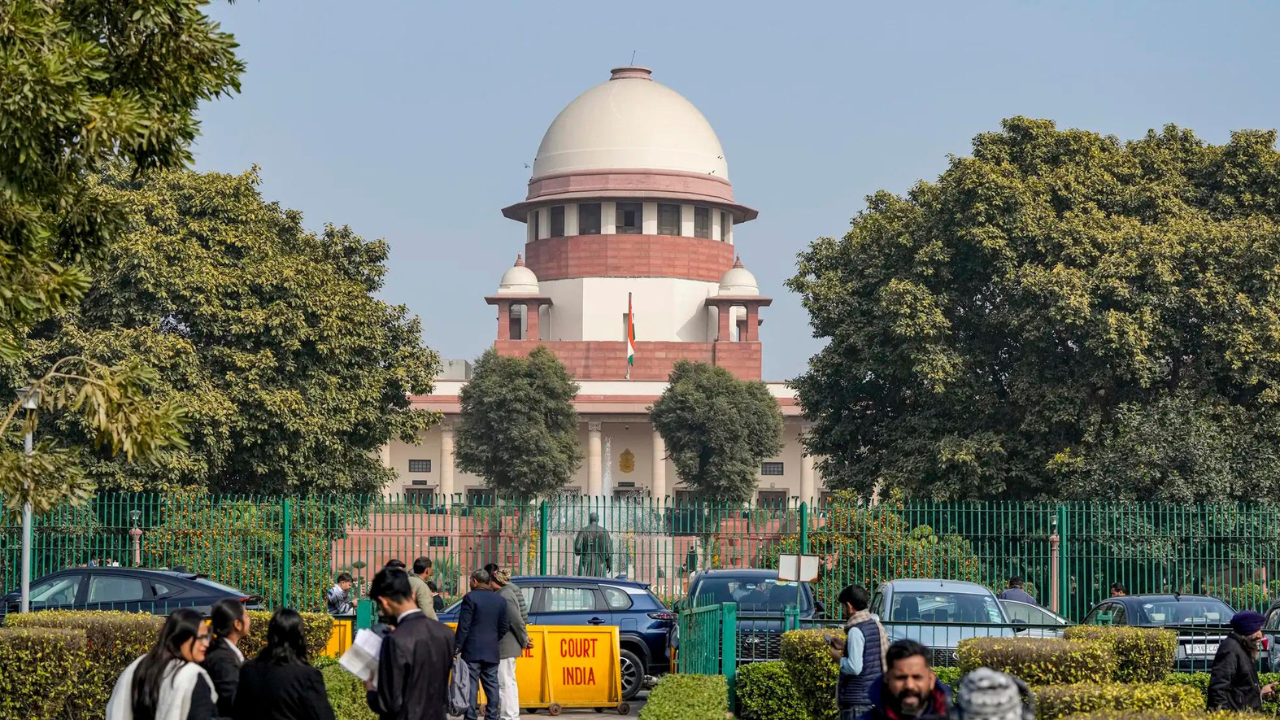
The Supreme Court of India has asked the central government to clarify its position on making pre-primary education free and compulsory for all children. Currently, the Right to Education (RTE) Act only covers children between the ages of 6 and 14. Legal experts and activists are pushing to expand this law to include children as young as three years old. This change would ensure that early childhood care and schooling become a legal right rather than just a policy goal.
Main Impact
If the government decides to make pre-primary education a legal right, it will change the face of the Indian school system. Millions of children from poor families would gain access to formal learning much earlier than they do now. This move aims to fix the learning gap that often exists between children who attend expensive private preschools and those who wait until age six to start school in government facilities. By making early education mandatory, the state would take full responsibility for a child's development from a very young age.
Key Details
What Happened
The Supreme Court was hearing a petition that argued for the inclusion of children aged three to six under the Right to Education Act. The court noted that while the government has introduced the National Education Policy (NEP) 2020, which emphasizes early childhood care, there is still no law that makes it a basic right. The judges want the government to explain if it intends to amend the current laws to provide free schooling for this younger age group. The court's interest shows a growing recognition that the first few years of a child's life are the most important for learning.
Important Numbers and Facts
The Right to Education Act was passed in 2009 and became a fundamental right under Article 21A of the Constitution. It currently serves over 150 million children across India. However, research shows that nearly 85% of a child’s brain development happens before the age of six. Despite this, the law only kicks in once a child turns six. Petitions filed in court suggest that waiting until age six to start formal education is too late for many children, especially those from disadvantaged backgrounds who do not have learning resources at home.
Background and Context
In India, pre-primary education is currently handled in two very different ways. Wealthier families send their children to private playschools and nurseries. For lower-income families, the government provides services through "Anganwadis." These centers are part of the Integrated Child Development Services (ICDS). While Anganwadis do a great job providing food and basic health checks, they are not always equipped to provide formal early education. This creates a divide where some children start primary school with basic reading and math skills, while others start from zero.
The National Education Policy 2020 tried to address this by suggesting a "5+3+3+4" structure. This plan includes three years of preschool followed by two years of primary school as the "foundational stage." However, because this is a policy and not a law, the government is not legally forced to provide these services for free to everyone. The Supreme Court's latest move is an attempt to turn these policy suggestions into a legal reality that every citizen can claim.
Public or Industry Reaction
Education experts have welcomed the Supreme Court's involvement. Many believe that early childhood education is the best way to reduce school dropout rates in later years. Teachers' unions have also pointed out that if this becomes law, the government will need to hire hundreds of thousands of new trained teachers specifically for the pre-primary level. On the other hand, some government officials worry about the massive costs involved. Building new classrooms and providing free meals and books for millions of additional children will require a huge increase in the national education budget.
What This Means Going Forward
The central government must now file a formal response to the court. If the government agrees to the change, we could see an amendment to the Constitution or the RTE Act. This would mean that every state in India would have to set up free preschools. It would also mean that the quality of education in Anganwadis would need to be upgraded significantly. Parents would no longer have to worry about the high costs of private nurseries, as the state would be required to provide a seat for every child starting at age three.
Final Take
Ensuring that every child starts their education at the right time is a major step toward social equality. By asking the government to take a clear stand, the Supreme Court is pushing for a future where a child's success is not determined by whether their parents can afford a private preschool. If pre-primary education becomes a fundamental right, it will be one of the most important shifts in India's social policy in decades.
Frequently Asked Questions
What is the current age limit for free education in India?
Under the current Right to Education (RTE) Act, the government provides free and compulsory education to all children between the ages of 6 and 14.
Why is the Supreme Court asking about children aged 3 to 6?
Experts argue that the most important brain development happens before age six. The court wants to know if the government will make education a legal right for this younger age group to ensure they are prepared for primary school.
Will this change make private preschools free?
No, it would mean the government must provide free public options for pre-primary education. Private schools would likely still exist, but the government would have to ensure every child has access to a free state-run school starting at age three.



