
Summary
The government of Andhra Pradesh is set to launch a new welfare program that provides free bus travel for people with disabilities. Starting March 18, individuals who meet specific eligibility criteria can use state-run transport services without paying for tickets. This initiative aims to improve the quality of life for many residents by making it easier for them to move around the state for work, education, and healthcare. By removing the cost of travel, the state hopes to encourage more independence among the differently-abled community.
Main Impact
The primary impact of this decision is the immediate financial relief it offers to thousands of families. Public transport is a major expense for many people, and for those living with disabilities, these costs can add up quickly. By making bus rides free, the government is ensuring that money is no longer a barrier to basic mobility. This change will likely lead to more people participating in the local economy and attending social events, which helps build a more inclusive society where everyone has the same opportunities to travel.
Key Details
What Happened
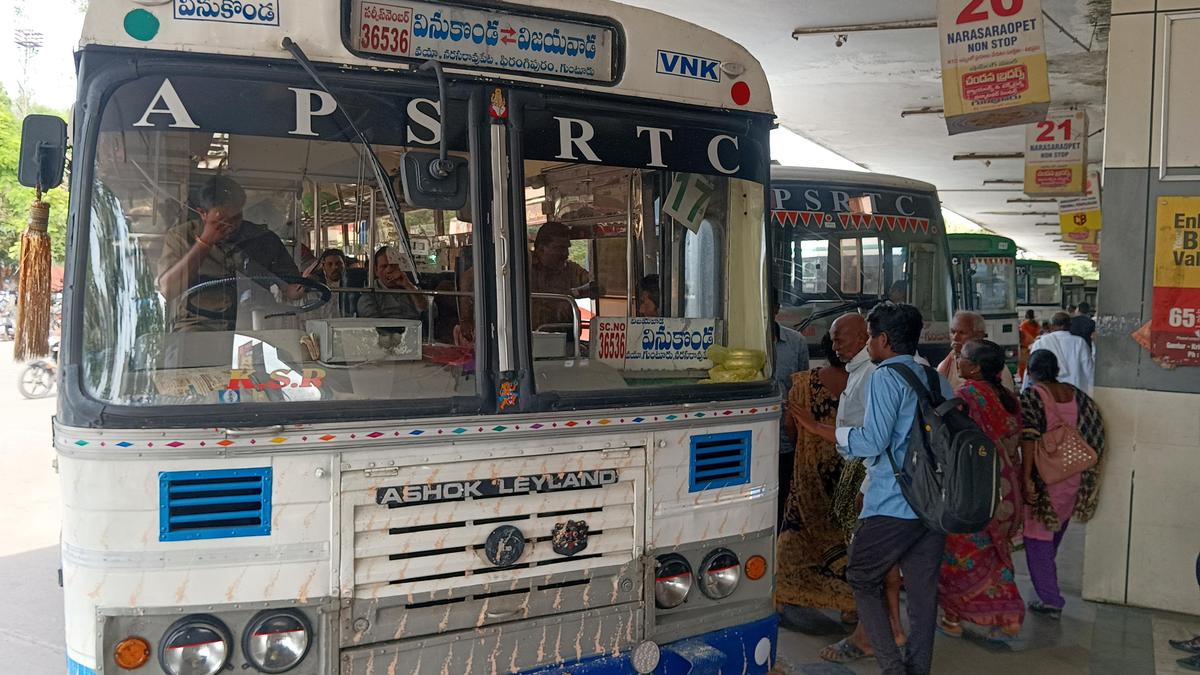
The Andhra Pradesh State Road Transport Corporation (APSRTC) has been directed to implement a free travel scheme for differently-abled persons. The official rollout is scheduled for March 18. Under this plan, eligible passengers will not have to pay fares on a wide range of bus services operated by the state. This includes both local city routes and longer-distance travel options. The government has instructed transport officials to ensure that bus conductors and staff are well-informed about the new rules to avoid any confusion during the launch.
Important Numbers and Facts
To qualify for this benefit, an individual must have a disability level of 40% or more. This is a standard measurement used by medical boards to determine the level of support a person needs. The scheme covers several types of bus services, including:
- City Ordinary buses used for local travel within towns.
- Metro Express services for faster city commuting.
- Palle Velugu buses, which connect rural villages to nearby towns.
- Ultra-Palle Velugu services that offer slightly more comfort on rural routes.
- Express buses that travel between different districts.
By including Express buses, the government is making sure that free travel is not just limited to short distances but also covers longer trips across the state.
Background and Context
In the past, people with disabilities often received discounts on bus fares, but they still had to pay a portion of the ticket price. These discounts were helpful, but they did not completely solve the problem of travel costs. For many, the process of buying a ticket and managing small change every day was also a physical challenge. Moving to a completely free system simplifies the process for both the passengers and the bus staff. This move aligns with broader national goals to make public infrastructure more accessible to everyone, regardless of their physical abilities.
Public or Industry Reaction
The announcement has been met with positive feedback from social workers and advocacy groups. Many believe that this is a necessary step toward social justice. Families of people with disabilities have expressed relief, noting that the savings from bus fares can now be used for other essential needs like medicine or specialized equipment. Within the transport industry, officials are working on the logistics of how to track these free trips for record-keeping purposes. While there are some questions about how the state will fund the lost revenue from ticket sales, the general feeling is that the social benefits far outweigh the financial costs.
What This Means Going Forward
As the scheme begins on March 18, the next step will be the verification process. Passengers will likely need to show a valid disability certificate or a special identity card issued by the government to prove they meet the 40% requirement. The government may also look into improving the buses themselves, such as adding more ramps or low-floor entries, to make the physical act of boarding easier. If this program is successful, it could serve as a model for other states to follow, leading to a nationwide standard for accessible and free public transport for those who need it most.
Final Take
This new travel policy is a clear sign that the state is prioritizing the needs of its most vulnerable citizens. By making APSRTC buses free for the differently-abled, Andhra Pradesh is taking a practical step toward equality. It is not just about a free ride; it is about giving people the freedom to move, work, and live their lives with dignity and less financial stress.
Frequently Asked Questions
Who is eligible for the free travel scheme?
Any person with a disability of 40% or more is eligible to travel for free on the specified APSRTC bus services.
Which types of buses are included in this program?
The scheme covers City Ordinary, Metro Express, Palle Velugu, Ultra-Palle Velugu, and Express buses across the state.
When does the free travel service start?
The program is scheduled to officially launch on March 18, 2026, across Andhra Pradesh.

