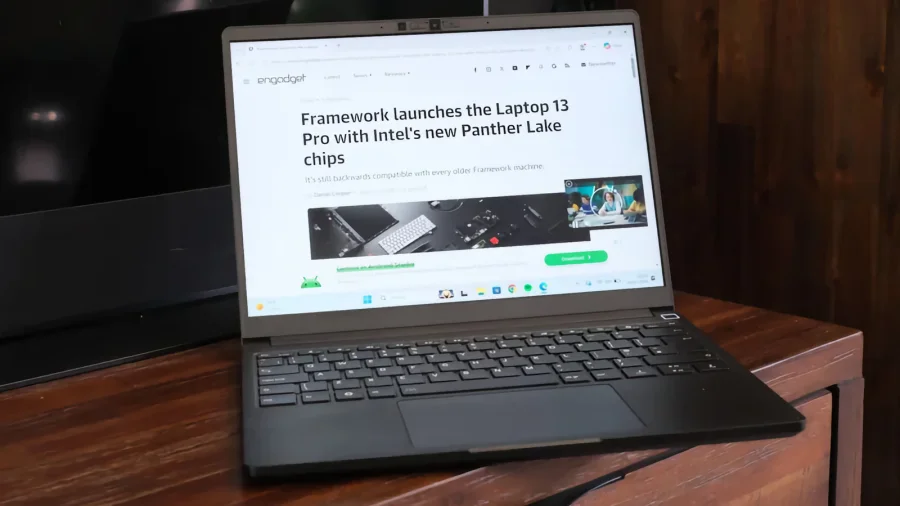
Framework built its name on a simple promise: laptops you can repair, upgrade, and truly own. That ethos created one of the most loyal communities in consumer tech. So when the company confirms that customer information was accessed in a data breach, the reaction goes beyond the usual corporate shrug. It feels personal — and for good reason.
Framework confirms customer database was accessed
Framework has confirmed that its customer database was accessed as part of a data breach. The company said no payment information was released in the incident, according to the original disclosure.
The confirmation stops there. Exactly which customer details were accessed, how many accounts were affected, and when the breach occurred have not been publicly detailed.
Why a customer database breach matters even without payment data
Payment information is only one piece of the puzzle. Customer databases typically hold names, email addresses, shipping addresses, phone numbers, and order histories. Even without credit card data, that combination is enough for targeted phishing, credential-stuffing attacks, and social engineering scams.
For Framework customers, the risk is concrete: fake support emails, fraudulent order confirmations, and attempts to reset accounts using exposed personal details.
What is confirmed — and what is still unknown
Confirmed: Framework's customer database was accessed. No payment information was released.
Unclear: The exact data fields exposed, the number of affected customers, the breach timeline, and whether the company has notified affected users individually.
These gaps are not unusual in early-stage breach disclosures. But they matter because customers cannot assess their own risk without knowing what specific information is in the hands of whoever accessed the database.
Why Framework's community makes this breach personal
Framework is not a typical laptop maker. It sells directly to customers, runs no traditional retail channel, and relies heavily on community forums and pre-orders for new products. That direct relationship means its customer database is not just a mailing list — it holds the order history, shipping details, and personal information of some of the most engaged enthusiasts in the industry.
The company's differentiator has always been trust: transparent pricing, open firmware, and repairability. A data breach tests exactly the kind of trust that community is built on.
The bigger risk: phishing and credential reuse
Habits matter here. Many customers reuse passwords across multiple sites. If email addresses and password-related data were among the accessed information, credential-stuffing attacks could follow. If only names and addresses were exposed, the risk is lower but the phishing potential remains.
Security experts typically advise assuming the worst in such situations: change passwords, enable two-factor authentication, and treat unexpected emails claiming to be from the company with suspicion. Framework itself has not announced specific protective steps beyond the initial disclosure.
What Framework customers should do now
Until more details emerge, a few practical steps make sense for anyone with a Framework account.
Change the password on your Framework account and anywhere you reused it. Enable two-factor authentication if available. Watch for emails asking for payment details or login credentials — the company has said payment information was not released, so urgent payment-related messages should be treated as suspicious. And monitor your inbox for official notifications about the scope of the breach.
What happens next
The coming days will likely bring more details — or silence. Companies typically complete their investigation before disclosing the full scope of a breach. Framework's next communication should clarify which data was involved, when the access happened, and whether affected users are being notified directly.
For now, the responsible stance is not panic, but vigilance. The full damage of a data breach is often measured in the weeks after disclosure, when stolen data starts appearing in phishing campaigns and credential-stuffing attempts.
Our Take
Framework's decision to disclose the breach while confirming no payment data was released is consistent with the transparency it markets to customers. But transparency is only meaningful when it is complete. The absence of detail about what customer information was actually accessed leaves a concerned community waiting for answers.
The company's reputation is its moat. How it handles this disclosure — how quickly it provides specifics, how clearly it guides customers on protective steps, and whether it offers meaningful support — will matter more to customer trust than the breach itself.
Frequently Asked Questions
Was Framework's customer database accessed in a data breach?
Yes. Framework confirmed that its customer database was accessed as part of a data breach. The company said no payment information was released, but the full scope of customer data accessed has not been publicly detailed.
Was payment information exposed in the Framework data breach?
Framework said no payment information was released in the breach. However, other customer data held in the database may have been accessed, and the company has not yet specified exactly which data fields were involved.
What should Framework customers do after the data breach?
Customers should change their Framework account password and any reused passwords elsewhere, enable two-factor authentication where possible, watch for phishing emails that claim to be from the company, and monitor official communications for further updates on the breach scope.
How serious is the Framework data breach?
The seriousness depends on what customer information was accessed — which has not yet been disclosed. The absence of payment data is reassuring, but names, email addresses, and shipping details can still be used for phishing and account-targeting scams. The full risk will be clearer once Framework reveals the exact extent of the exposed data.