Your headphones almost certainly sound better than you think. The bass you're missing may not be missing at all — it may just need the right adjustments, and none of them require opening your wallet.
Why your headphones sound thinner than they should
Most people blame the driver when bass feels weak. But the biggest offender is usually the seal. When over-ear pads or in-ear tips don't create a snug fit, low frequencies leak away and the whole sound signature feels thin. Before you judge your headphones, check how they sit — the cheapest bass upgrade is often a better fit.
The free fix that changes everything: your EQ settings
Almost every phone, laptop and music app has an equalizer hidden in its settings. Boosting the lower frequencies — the range you feel in your chest — adds weight to drums, basslines and movie soundtracks. Start gently. A small boost in the low end, paired with a slight cut in the mids, often gives a punchier sound without turning everything muddy.
Fit, ear tips and headband pressure — the overlooked bass killers
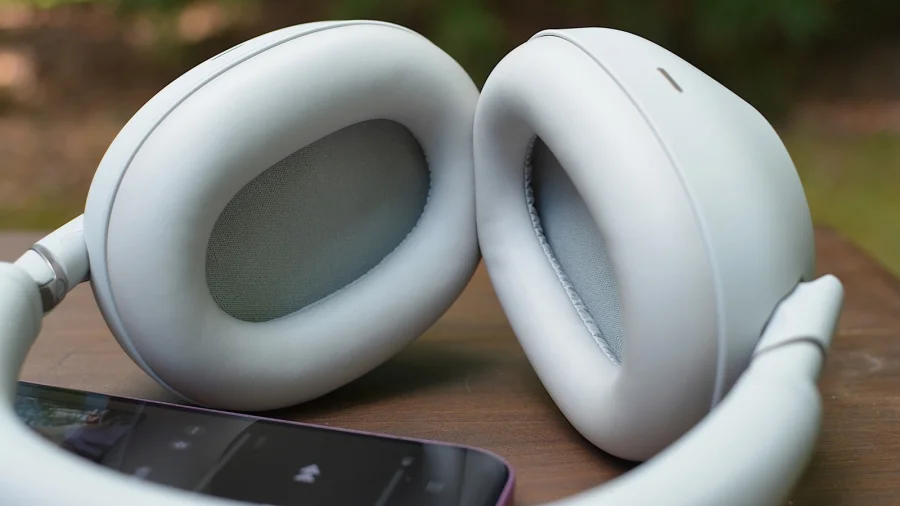
Physical adjustments matter more than most listeners realise. On earphones, switching to a larger silicone tip can improve the seal and instantly deepen the bass. On over-ear headphones, adjusting the headband so the pads sit evenly around your ears makes a clear difference. Even tilting the cups slightly can change the low-end response.
Source quality and volume — the quiet factors behind weak bass
Bass perception depends on more than the headphone itself. A low-quality compressed file or a weak headphone output can rob music of its low-end energy. Many streaming apps now offer higher-quality audio modes — turning them on can reveal bass you didn't know was there. And since human ears naturally hear less bass at low volumes, listening a little louder can change the picture too.
A ten-minute bass test before you spend any money
Play a bass-heavy track you know well. First, listen at moderate volume. Then adjust the EQ, reseat the headphones, and try different ear tips. If the bass improves with these changes, your current pair is likely fine — and the money you were about to spend can stay in your pocket. This simple A/B test takes minutes and costs nothing.
When buying new headphones actually makes sense
There are limits. If you've already tried EQ, fit fixes and better source quality and the bass still sounds weak, the hardware may genuinely be the constraint. Very budget earbuds and entry-level headphones can only do so much. In that case, a new pair with a tuning profile suited to your taste is a fair purchase — but only after the free fixes fail.
The wider shift: tuning now matters more than hardware specs
Headphone makers increasingly compete on tuning, not just driver size. A well-tuned budget pair can outperform an expensive one with poor frequency response. This shift gives listeners more control than ever — through EQ presets, app-based tuning and easy-to-swap ear tips — which makes educated adjustment more valuable than blind spending.
What remains unclear — why bass stays personal
There is no single "correct" bass setting. Perception varies with age, ear shape and personal taste; the same headphone sounds different on two listeners. What counts as tight, punchy bass to one person may feel boomy to another. The honest answer: use your ears, not reviews, as the final judge.
Our Take
This is a useful reminder that consumers often upgrade too fast. The tech industry benefits when we believe better sound requires new gear, but the truth is that small, free adjustments can close much of the gap. Learning to tune what you own is not just cheaper — it makes you a smarter listener.
Frequently Asked Questions
How can I get more bass from my headphones without buying new ones?
Start with the built-in equalizer on your phone or laptop and gently boost the lower frequencies. Then check the fit — a proper ear seal on ear tips or over-ear pads does more for bass than almost any app setting.
Do EQ apps actually improve headphone bass?
Yes. EQ apps and music-app equalizers boost specific frequency ranges, which can add noticeable weight to bass. Keep the boost moderate to avoid distortion, and compare the sound with the EQ on and off to hear the difference.
Why is bass weak on earphones even at full volume?
Weak bass in earphones is usually a seal problem. Try a larger or differently shaped ear tip until the earbud feels snug. If the seal is good and bass is still weak, the source file quality or the earphone driver itself may be the limit.
What should I test before spending money on new headphones?
Run the free test first: adjust EQ, reseat the headphones, try different tips and play a higher-quality audio file. If bass improves, keep your current pair. Only shop for new ones if these adjustments change nothing.