
Summary
The Indian government has confirmed the deaths of five Indian citizens during the ongoing conflict involving Iran. One other Indian national is currently reported missing as the situation in the Middle East becomes more dangerous. While these human losses are a major concern, there was some positive news regarding energy security. Two Indian ships carrying Liquefied Petroleum Gas (LPG) successfully traveled through the Strait of Hormuz, a high-risk water route, to bring fuel back to India.
Main Impact
The deaths of these five individuals show the high risks faced by Indian workers living in conflict zones. This tragedy has forced the Ministry of External Affairs (MEA) to increase its efforts to protect citizens abroad. On the economic side, the safe passage of the LPG vessels is a relief for India’s energy sector. The Strait of Hormuz is a vital path for the world’s oil and gas supply. If this route is blocked or becomes too dangerous, it could lead to higher fuel prices and energy shortages in India.
Key Details
What Happened
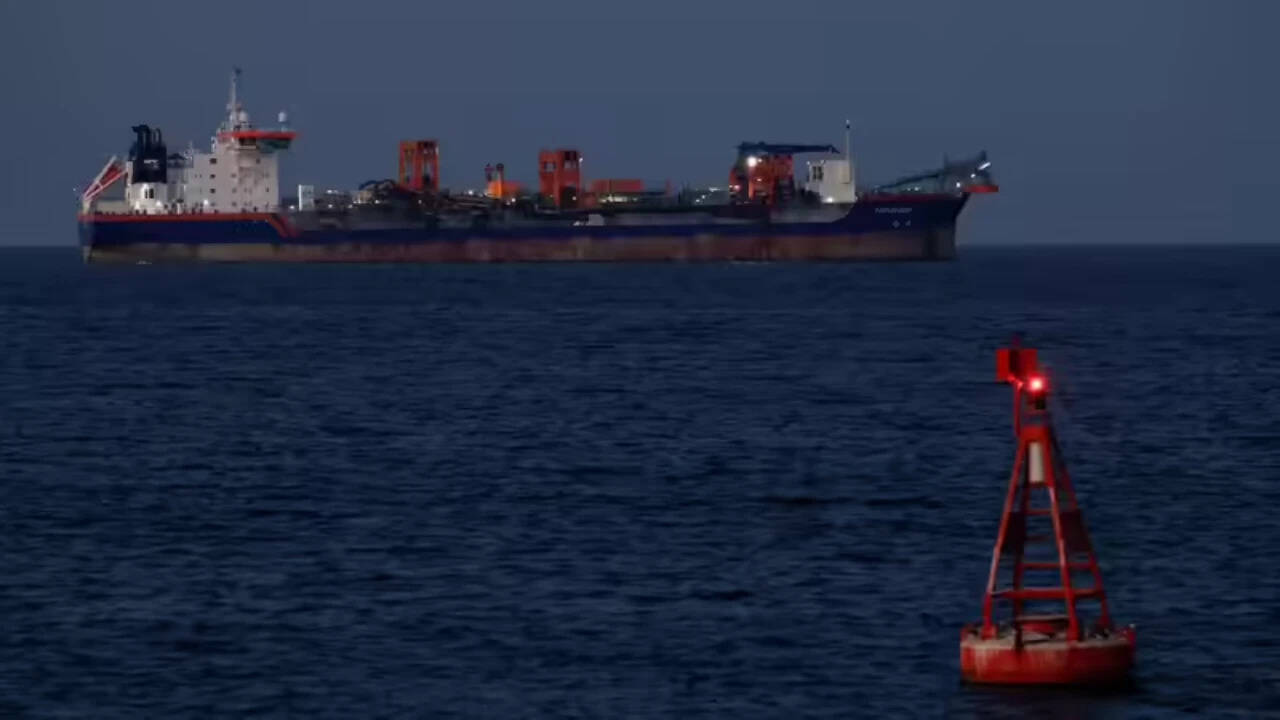
The Ministry of External Affairs recently shared updates about the safety of Indians in the Middle East. They reported that five people from India lost their lives due to the fighting in the region. Officials are also searching for one person who has disappeared. At the same time, the government is monitoring the sea routes used by Indian cargo ships. Two large ships carrying gas were able to sail through the most dangerous part of the Persian Gulf without any trouble. These ships are now on their way to Indian ports to deliver fuel.
Important Numbers and Facts
The conflict has directly affected at least six Indian families so far. The MEA has not yet released the names of the deceased to the public, as they are first talking with the families. The Strait of Hormuz, where the ships passed, is a narrow stretch of water that carries about 20% of the world's total oil supply. For India, this route is essential because a large portion of its gas and oil comes from countries like Qatar, the UAE, and Saudi Arabia. Indian diplomatic missions in the region are now working 24 hours a day to help anyone who feels unsafe.
Background and Context
The Middle East has been facing a period of high tension and military action. Iran and other nearby countries have been involved in a series of attacks and counter-attacks. This area is home to millions of Indian workers who help build cities, run hospitals, and work in the oil industry. Because so many Indians live there, any war in the region becomes a major problem for the Indian government. In the past, India has had to organize large-scale rescue missions to bring its people home from war zones. This current situation is being watched closely to see if a larger evacuation will be needed.
Public or Industry Reaction
The news of the deaths has caused worry among the families of Indians working in the Middle East. Many people are calling government helplines to ask about the safety of their relatives. In the shipping industry, companies are relieved that the LPG vessels made it through the Strait of Hormuz. However, insurance costs for ships traveling in these waters are going up. This means it might become more expensive to import goods in the future. Business leaders are asking the government to provide more security for Indian-flagged ships in the region.
What This Means Going Forward
The Indian government will likely issue new travel warnings for people planning to go to the Middle East. The MEA is focusing on "repatriation," which is the formal process of bringing the bodies of the deceased back to India and helping the missing person’s family. We can also expect the Indian Navy to stay active in the waters near Iran to watch over merchant ships. If the conflict gets worse, the government may have to set up special flights to bring more citizens back to India. For now, the focus is on keeping the sea routes open and ensuring no more lives are lost.
Final Take
The loss of five Indian lives is a painful reminder of how global conflicts affect ordinary people. While the safe arrival of fuel ships helps the economy stay stable, the safety of citizens remains the top priority. The government must continue to balance its need for energy with its duty to protect its people living in dangerous areas.
Frequently Asked Questions
What is the Strait of Hormuz?
It is a narrow and very important waterway between the Persian Gulf and the Gulf of Oman. Most of the oil and gas from the Middle East must pass through this point to reach the rest of the world.
What is the MEA doing to help Indians in the conflict?
The Ministry of External Affairs is working with local leaders to find the missing person and bring the bodies of the deceased back to India. They are also providing support and information to Indian workers who are still in the region.
Will this conflict make petrol and gas more expensive?
It is possible. If the conflict makes it harder for ships to travel through the Strait of Hormuz, the cost of shipping and insurance goes up. This often leads to higher prices for fuel at the pump.



