
Summary
A 61-day fishing ban has officially started in the coastal regions of Thoothukudi and Kanniyakumari. This annual restriction stops large mechanised boats and trawlers from heading out into the sea. The goal of this break is to protect fish populations during their most important breeding season. By giving marine life a chance to grow without being caught, the government aims to keep the ocean healthy and ensure there are enough fish for the future.
Main Impact
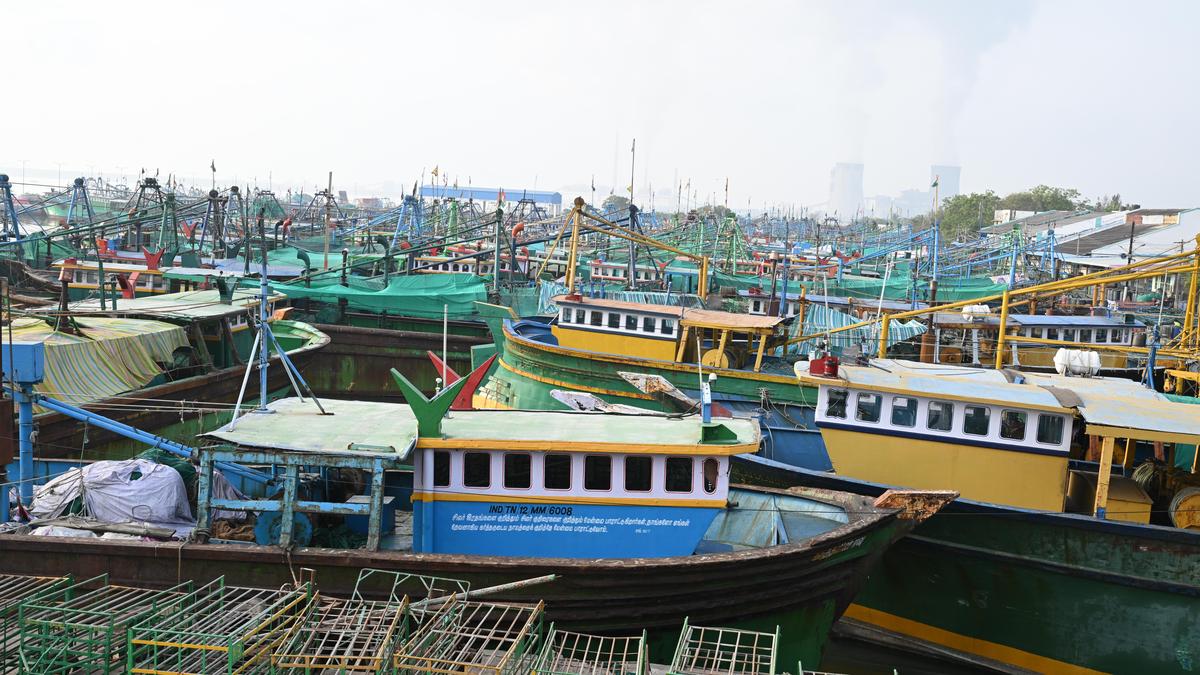
The start of the ban has brought immediate changes to the busy coastlines of southern Tamil Nadu. Hundreds of large fishing vessels are now tied up at the docks, creating a quiet atmosphere at the usually active fishing harbors. This pause in activity affects thousands of people who rely on the sea for their income, including boat owners, crew members, and market sellers. While the ban is necessary for the environment, it often leads to a shortage of fresh seafood in local markets, which causes prices to go up for everyday shoppers.
Key Details
What Happened
At the stroke of midnight, the fishing ban went into effect across the eastern and southern coasts. Fisheries Department officials have been deployed to monitor the harbors in Thoothukudi and Kanniyakumari to ensure that no mechanised boats break the rules. These large boats use heavy nets that can sweep up large amounts of fish, including young ones that have not yet grown to full size. By stopping these operations, the government allows the sea to recover from a year of heavy fishing.
Important Numbers and Facts
The ban will last for exactly 61 days, a period chosen based on scientific studies of fish breeding patterns. In Thoothukudi alone, over 400 mechanised boats are expected to stay off the water. In Kanniyakumari, hundreds more will remain at the shore. While large boats are banned, small traditional "country boats" are still allowed to fish. These smaller boats do not go as far out and use methods that are less harmful to the breeding process. To help the families who lose their daily wages during this time, the state government often provides a financial relief package to registered fishermen.
Background and Context
The fishing ban is a regular part of the yearly calendar for coastal communities in India. It is not a new rule, but it remains a vital one. Over the years, overfishing has become a serious problem around the world. If boats catch fish faster than they can reproduce, the entire industry could collapse. This 61-day period is designed to prevent that from happening. It covers the peak spawning time when many species of fish lay their eggs. By leaving the water undisturbed, the survival rate of new fish increases significantly, which leads to a better catch once the ban is lifted.
Public or Industry Reaction
The reaction to the ban is a mix of understanding and worry. Most boat owners and experienced fishermen agree that the ban is good for the ocean. They know that if they do not protect the fish now, there will be nothing left to catch in five or ten years. During these two months, the harbors turn into giant repair shops. Workers spend their time painting boat hulls, fixing old engines, and mending torn nets. However, for the daily wage laborers who work on the boats, the ban brings financial stress. Many families have to find other temporary jobs or rely on government aid and savings to get through the two-month period.
What This Means Going Forward
In the coming weeks, the supply of popular fish like kingfish, pomfret, and prawns will likely drop in local markets. Consumers will have to rely more on fish caught by small country boats or fish brought in from inland ponds and lakes. Once the 61 days are over, the "fishing season" will officially reopen with a festive atmosphere. Fishermen hope that the two-month rest will result in a "bumper catch," meaning the nets will be full of large, healthy fish. The government will continue to monitor the situation to ensure that no illegal fishing takes place during the restricted window.
Final Take
The 61-day ban is a difficult but essential trade-off. It requires short-term sacrifice from the fishing community to ensure long-term survival for the entire industry. Protecting the ocean today is the only way to guarantee that the coastal economy remains strong for the next generation of fishermen.
Frequently Asked Questions
Why is there a 61-day fishing ban?
The ban is put in place to protect fish during their breeding season. It allows fish to lay eggs and grow without being caught by large nets, which helps keep the fish population healthy.
Are all boats stopped from fishing?
No, only large mechanised boats and trawlers are banned. Small, traditional country boats are usually allowed to continue fishing near the shore because they have a much smaller impact on the environment.
How do fishermen survive without income during the ban?
Many fishermen use this time to repair their boats and equipment. The government also provides a cash relief payment to registered fishing families to help them cover their basic living costs while they cannot work.



