
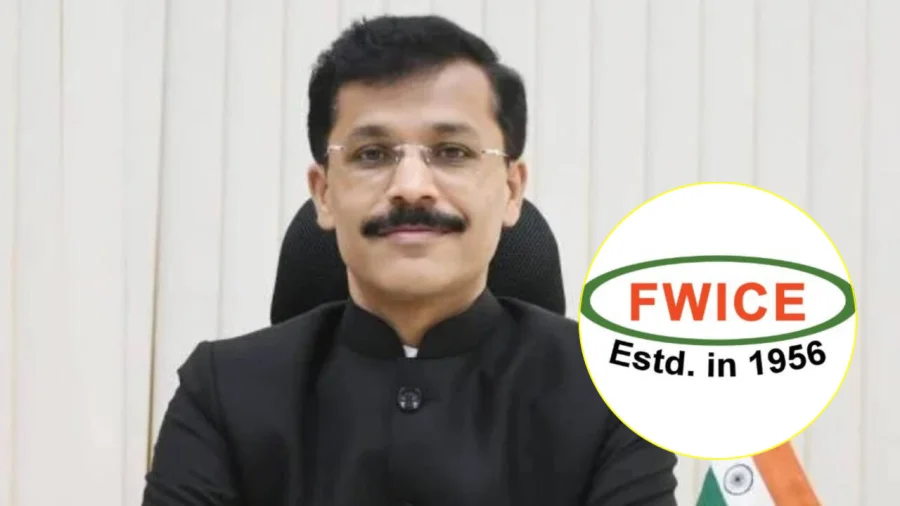
The next take on a Mumbai film set could be a hygiene audit, not just a shot. Maharashtra FDA Commissioner Tukaram Mundhe is poised to launch surprise inspections at film studios after the Federation of Western India Cine Employees formally urged food safety checks over concerns about unsafe meals served to casts and crews.
FWICE's food safety complaint puts studio catering under scrutiny
The Federation of Western India Cine Employees — an umbrella organisation representing thousands of workers across the Hindi and regional film industries — has approached the Maharashtra FDA with a clear demand: food prepared for film crews must meet quality and safety standards, and those responsible for lapses must answer for it.
The federation has specifically called out production houses and caterers, arguing that accountability for food quality cannot remain blurred when large crews depend on set kitchens for daily meals.
Why a food safety crackdown on film sets matters
Film schedules run long, often stretching 12 to 16 hours a day, with crews eating most meals on location. When food is prepared in bulk under tight timelines, hygiene can take a back seat. FWICE's concern is not about a single bad meal — it is about a systemic risk affecting thousands of workers who consume set food daily.
Unsafe food can lead to food poisoning, stomach infections and, in severe cases, hospitalisation — disruptions that stall productions and endanger crew health.
Who is Tukaram Mundhe and why his move carries weight
Tukaram Mundhe is the Commissioner of Maharashtra's Food and Drug Administration, the state body responsible for enforcing food safety laws under the Food Safety and Standards Act. Mundhe is known in Maharashtra's administrative circles for crackdowns on violations — from action against unauthorised food businesses to enforcement drives in the pharmaceutical sector.
A surprise inspection regime for film studios would mark a significant expansion of FDA oversight into the entertainment industry's catering ecosystem.
The human cost behind FWICE's urgency
For junior artists, technicians, spot boys, make-up artists and other crew members, set food often replaces home meals entirely. Unlike lead actors who may have personal arrangements, the bulk of the crew depends on what production caterers serve.
The health risk is not hypothetical — when food safety fails, it hits the most vulnerable workers on set hardest, and they are often the ones with least say in how their food is sourced or prepared.
What production houses and caterers could face
If the inspections go ahead, studio kitchens and catering units could be checked for licences, kitchen hygiene, storage conditions, water quality and compliance with FSSAI norms. Caterers found serving substandard food could face penalties, licence action or even shutdown orders.
FWICE's key demand places joint responsibility on production houses — meaning a film unit cannot simply shift blame to an outsourced caterer when food safety fails.
Confirmed facts vs what remains unclear
What is confirmed: FWICE has approached the FDA, and Commissioner Tukaram Mundhe is expected to act on the request with surprise inspections. What remains unclear: the exact timeline, the list of studios to be inspected, and whether any prior complaints or incidents triggered this particular move.
No official statement from the Maharashtra FDA or FWICE detailing the inspection schedule has been released publicly yet. This article is based on the original story reported; independent verification of the claims is pending.
Health risks, liability and the cost of compliance
The push for inspections comes with two sides. Crew safety is clearly the priority — but production houses point to the cost and logistics of upgrading set kitchens, especially for smaller budget productions that rely on low-cost local caterers.
Industry observers note that while stricter oversight raises costs, it also reduces the risk of mid-shoot health emergencies that can halt production far more expensively.
A wider shift: food safety enforcement beyond restaurants
The move reflects a growing pattern in which food safety regulators are looking beyond restaurants and street vendors into organised sectors — events, offices, hostels and now film sets. For the entertainment industry, this could mean food safety becomes a standard part of production planning, like permissions and insurance.
If the FDA formalises this into a regular inspection cycle, film sets could soon see food safety audits as routine as location clearances.
What cast and crew should do now
Crew members who fall ill after consuming set food should report the incident through proper channels — to the production's medical team, to FWICE representatives, and where necessary to the FDA's grievance system. Documenting symptoms, medical records and details of the meals consumed strengthens any complaint.
Production houses, meanwhile, should review their caterers' FSSAI licences, kitchen practices and past compliance records before signing contracts.
What happens next
The immediate question is when — and how — the surprise inspections begin. If they proceed, the first studios under scrutiny are likely to be major production hubs where large crews assemble daily. The larger outcome could be a formal code of food safety practice for the film industry, negotiated between FWICE, producers' bodies and the FDA.
Until the FDA releases an official schedule, the industry is watching closely — and so are thousands of crew members who eat on set every day.
Our Take
This story matters beyond a single inspection drive. It signals that India's entertainment industry — one of the largest employers of casual and daily-wage workers — is being held to food safety standards long applied to other organised sectors. The real test will be consistency. A one-off surprise check makes headlines; a sustained inspection regime changes behaviour. FWICE has asked for the latter, and whether the FDA delivers it will determine if this is a moment or a movement.
Frequently Asked Questions
Why is Tukaram Mundhe inspecting film sets?
Maharashtra FDA Commissioner Tukaram Mundhe is expected to conduct surprise inspections at film studios after FWICE raised concerns about unsafe food prepared for film crews. The federation warned of serious health risks to cast and crew and demanded accountability from production houses and caterers.
What did FWICE write to the FDA about?
The Federation of Western India Cine Employees urged the FDA to conduct food safety checks on film sets. It wants production houses and caterers to be held responsible for ensuring food quality for cast and crew members who eat on location.
What happens if a caterer fails a food safety inspection on a film set?
While the FDA has not released specific penalties for this drive, standard enforcement under food safety laws can include fines, suspension of licences, seizure of unsafe food and even closure of non-compliant kitchens. Repeated violations can attract stricter action.
When will the FDA inspections of film studios begin?
No official date has been announced. The original report indicates Commissioner Tukaram Mundhe is set to conduct the inspections soon, but the FDA has not yet released a public schedule of which studios will be visited or when.



