
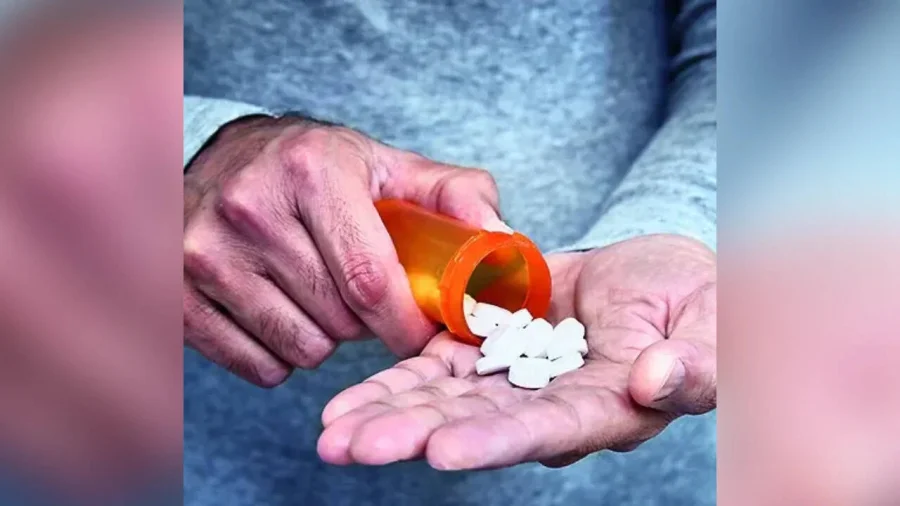
For millions of patients who dread weekly or monthly injections to control stubborn high cholesterol, a simple pill could soon change everything. The US Food and Drug Administration has approved the first oral medication that directly replaces injectable therapies, according to multiple industry reports. While the official announcement is still pending, the move is widely seen as a breakthrough in cardiovascular medicine.
What the FDA approval means for cholesterol treatment
The newly approved drug belongs to the class of PCSK9 inhibitors — powerful agents that lower LDL or “bad” cholesterol far more than statins alone. Until now, all PCSK9 inhibitors were available only as injectable shots, typically administered every two to four weeks. The oral version could make therapy more convenient and accessible, particularly for patients who avoid needles or struggle with injection site reactions.
Why this matters for Indian patients and global healthcare
High cholesterol affects nearly one in four adults in India, and many require aggressive lipid-lowering therapy after heart attacks or strokes. Injectable PCSK9 inhibitors, though effective, remain expensive and logistically challenging in rural or semi-urban areas. A once-daily pill could dramatically improve adherence, reduce the burden on healthcare infrastructure, and potentially lower long-term cardiovascular risks if priced affordably.
How the pill works — simple explanation
Like its injectable counterparts, the oral drug blocks the PCSK9 protein, which normally prevents the liver from clearing LDL cholesterol from the blood. By inhibiting this protein, the liver can remove more LDL, leading to dramatic reductions in cholesterol levels — often by 50% to 60% when combined with a statin. The oral formulation uses a novel technology to survive digestion and reach the bloodstream effectively.
Who is likely to qualify for the new pill
Early reports suggest the drug is intended for adults with established cardiovascular disease or heterozygous familial hypercholesterolemia — a genetic condition that causes extremely high cholesterol from birth. Patients who cannot tolerate statins or who need additional LDL reduction despite maximum statin therapy would be prime candidates. The exact FDA-approved label will clarify age limits, contraindications, and co-administration with other drugs.
Confirmed facts vs what remains unclear
Confirmed: the FDA has approved an oral PCSK9 inhibitor. The drug is meant to replace injectable therapies. The approval follows successful late-stage trials showing non-inferiority to injections. Unclear: the brand name, exact cost, insurance coverage, and the date of commercial launch. Speculation: some analysts expect the pill to be priced competitively to gain market share against established injectables.
Risks and balanced view
Oral PCSK9 inhibitors are not without risks. Common side effects in trials included mild gastrointestinal issues and headache. Long-term safety data for the oral formulation is still being collected. Some experts caution that switching from injections to a daily pill could reduce adherence if patients forget doses. Additionally, liver function monitoring will be required, similar to statins. The drug may also interact with other oral medications.
Wider trend — the shift from injections to oral biologics
This approval is part of a broader pharmaceutical trend: converting biologic drugs from injections to oral forms. Similar efforts are underway for diabetes, autoimmune diseases, and cancer therapies. Success with cholesterol could accelerate development of oral versions of other injectable biologics, making advanced therapies more patient-friendly and scalable in resource-limited settings.
What patients should do now
If you currently use injectable PCSK9 inhibitors, do not stop or switch without consulting your doctor. Wait for the official prescribing information and discuss whether the oral pill is appropriate for your condition. For those on statins alone but with persistently high LDL, ask your cardiologist about newer options — including both injections and the upcoming pill. Monitor news from the FDA and the drug manufacturer for availability and pricing updates.
Future outlook
Commercial launch in the US is expected within the first half of 2025, pending manufacturing scale-up and insurance negotiations. Approvals in India and other countries typically follow 12 to 24 months after the US nod, depending on local regulatory pathways. If priced competitively, the pill could become a first-line add-on therapy for high-risk patients globally.
Our take
The approval of an oral PCSK9 inhibitor is a genuine milestone. It addresses two of the biggest barriers in cholesterol management — needle aversion and logistical complexity. However, the real test will be affordability and equitable access. Without reasonable pricing, the pill risks remaining a convenience for the well-insured rather than a solution for the millions who need it most. The story is still unfolding, and we will update this article as confirmed details emerge.
Frequently Asked Questions
What is the name of the FDA-approved pill for high cholesterol?
The brand name has not been officially released yet. The drug is an oral PCSK9 inhibitor, likely to be marketed under a new trade name once fully announced.
How is this pill different from statins?
Statins reduce cholesterol production in the liver. This pill blocks the PCSK9 protein, allowing the liver to remove more LDL from the blood. It is much more potent and used when statins alone are not enough.
Can I switch from my current injectable PCSK9 inhibitor to this pill?
Only after your doctor reviews the new drug’s label and determines it is safe for you. Do not make any changes without medical advice.
When will this pill be available in India?
US approval typically precedes Indian approval by 12 to 24 months, subject to regulatory review by the Central Drugs Standard Control Organisation (CDSCO).



