
Summary
Maharashtra Deputy Chief Minister Devendra Fadnavis recently made a statement about the reasons why men and women run away from home. According to him, women often leave home for love, while men tend to run away due to domestic issues. His comments have sparked discussion about gender roles and family pressures in Indian society.
Main Impact
Fadnavis made these remarks while speaking about law and order in the state. He pointed out that the reasons for missing persons cases are often different for men and women. The statement has drawn attention to how society views the problems faced by both genders at home.
Key Details
What Happened
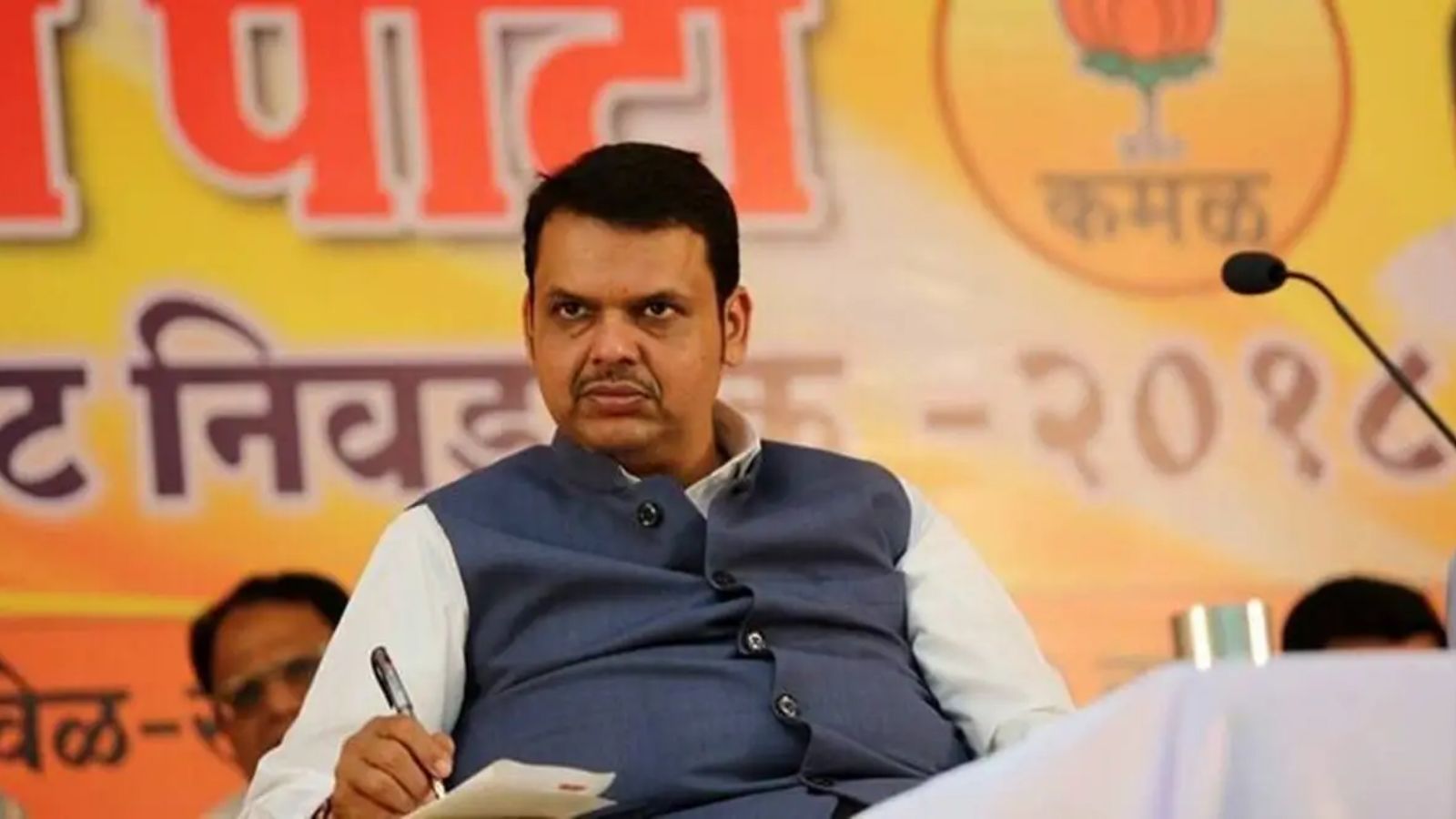
Devendra Fadnavis was addressing a public event when he shared his observations. He said that based on police data, most women who go missing do so because of romantic relationships. In contrast, men usually leave home because of stress from family problems or financial issues.
Important Numbers and Facts
Fadnavis did not share specific numbers during his speech. However, he referred to general trends seen in police records. The statement was made in the context of discussing how the government handles missing person cases and family disputes.
Background and Context
Missing persons cases are a serious issue in India. Every year, thousands of people are reported missing across the country. Police often struggle to find the reasons behind these disappearances. Fadnavis's comments highlight how social and family pressures affect men and women differently.
In many Indian families, women face restrictions on their freedom, especially when it comes to relationships. Men, on the other hand, are often expected to be the main earners and handle all family responsibilities. These pressures can push people to leave home.
Public or Industry Reaction
Fadnavis's statement has received mixed reactions. Some people agree with his observation, saying it matches what they see in their communities. Others feel the comment oversimplifies a complex issue. Social workers and women's rights groups have pointed out that many women run away due to domestic violence or forced marriages, not just love.
There has been no official response from opposition parties yet. However, the statement has started conversations on social media about the real reasons behind missing persons cases.
What This Means Going Forward
Fadnavis's remarks could lead to more discussion about how police and society handle missing persons cases. If the government looks deeper into the reasons behind these disappearances, it might lead to better support systems for both men and women facing problems at home.
There is also a need for more data on this issue. Without clear numbers, it is hard to know if Fadnavis's observation is fully accurate. More research could help create better policies to prevent people from feeling they have no choice but to leave home.
Final Take
Fadnavis's comment points to a real difference in how men and women experience family pressures. While his statement may be based on police observations, it is important to remember that every case is different. The real issue is that many people, both men and women, feel trapped by their family situations. Instead of just noting the reasons, society needs to work on creating safer and more supportive homes for everyone.
Frequently Asked Questions
Why did Devendra Fadnavis say women run away for love?
Fadnavis made this statement based on police data and general trends he observed. He said that in many missing persons cases, women leave home to be with someone they love, often against their family's wishes.
What are the main reasons men run away from home according to Fadnavis?
According to Fadnavis, men usually run away because of domestic issues. This includes stress from family problems, financial pressure, or conflicts at home.
Is there data to support Fadnavis's claims about missing persons?
Fadnavis did not provide specific numbers during his speech. He referred to general trends seen in police records. There is no publicly available detailed data that clearly breaks down missing persons cases by gender and reason in Maharashtra.



