
Summary
Election officials have successfully finished the second round of randomization for Electronic Voting Machines (EVMs). This important step ensures that specific voting machines are assigned to polling stations by chance rather than by human choice. By using a computer-based system, the election department aims to maintain complete fairness and prevent any chance of tampering. This process is a key part of the preparation for the upcoming voting day, giving voters and political parties confidence in the system.
Main Impact
The main goal of this process is to make the election process transparent. When machines are assigned randomly, no one—including the officials or the candidates—knows which machine will end up at which polling booth until the very last stage. This removes the possibility of anyone trying to fix or manipulate the machines in favor of a specific candidate. It serves as a strong shield against fraud and helps build trust among the public that their votes will be counted accurately.
Key Details
What Happened
The second randomization took place at the district headquarters under the watchful eyes of the District Election Officer and independent observers. Representatives from various political parties were invited to witness the entire event. A specialized software program was used to shuffle the identification numbers of the machines and pair them with specific polling station numbers. This ensures that the link between a machine and a location is created only through a neutral computer algorithm.
Important Numbers and Facts
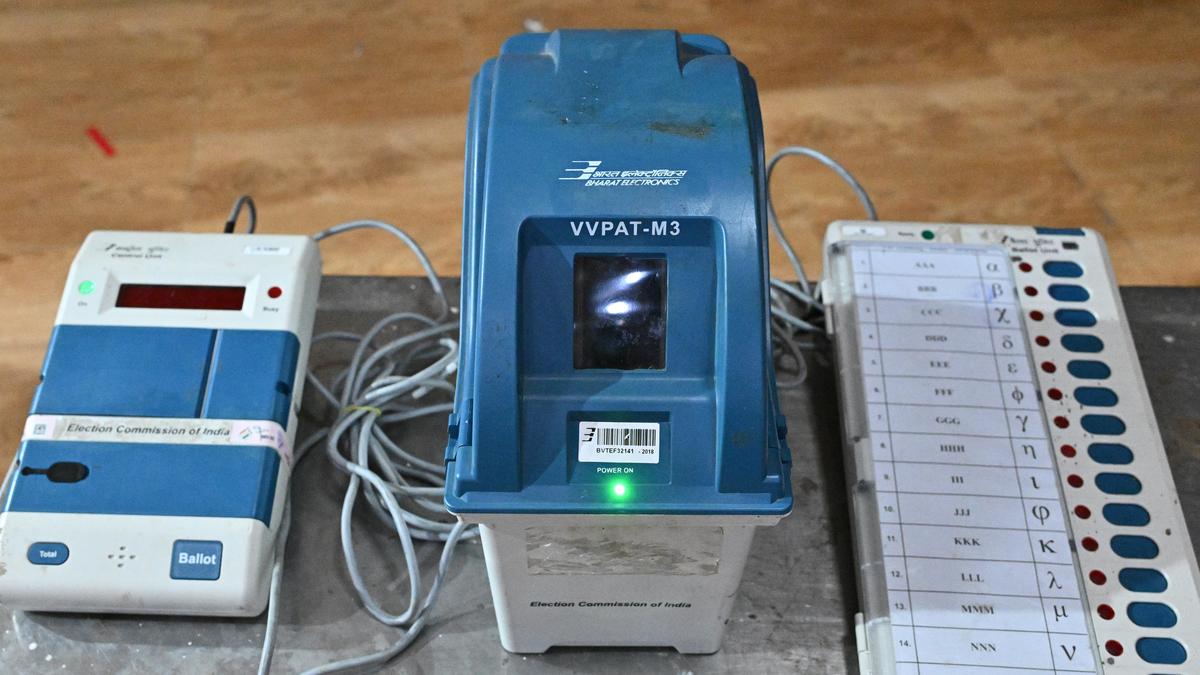
During this session, hundreds of units were processed, including the Ballot Units (BU), Control Units (CU), and the Voter Verifiable Paper Audit Trail (VVPAT) machines. In most districts, officials prepare about 15% to 20% extra machines as a reserve. These reserve machines are also randomized so they can be used quickly if a machine at a booth stops working on election day. The final lists generated after this process were printed and signed by the officials and the party representatives present at the meeting.
Background and Context
In a large democracy, the safety of the voting process is the top priority. The election department uses a two-step randomization process. The first step happens weeks earlier, where machines are sent from a main warehouse to different assembly areas. This second step is even more specific, as it moves the machines from the assembly area to the actual room where people will vote. This system was created to answer concerns about machine security and to show that the technology is reliable and free from outside influence.
Public or Industry Reaction
Political parties generally welcomed the move, as it allows them to verify the process themselves. During the meeting, party members were allowed to ask questions and see how the software works. Most representatives expressed satisfaction with the transparency of the digital shuffle. Local citizens also view these updates as a sign that the administration is ready for a peaceful and orderly election. By involving all stakeholders, the election commission reduces the risk of complaints or legal challenges later on.
What This Means Going Forward
Now that the machines are assigned to their booths, the next step is "commissioning." This involves setting up the machines with the names and symbols of the candidates. Once that is done, the machines will be sealed in strong rooms under heavy security. They will only be moved again on the day before the election, when they are transported to the polling stations. Security teams will guard these machines 24 hours a day to ensure no one can touch them before the first voter arrives.
Final Take
The completion of the second randomization is a major milestone in the election timeline. It proves that the system relies on technology and strict rules rather than individual decisions. This layer of security is essential for a healthy democracy, ensuring that every citizen's choice remains private and protected. As the machines move toward the polling booths, the focus now shifts to training the staff who will operate them on the big day.
Frequently Asked Questions
What is the second randomization of EVMs?
It is a computer-controlled process that randomly assigns specific voting machines to specific polling stations to ensure fairness and prevent tampering.
Who watches the randomization process?
The process is watched by the District Election Officer, independent observers appointed by the election commission, and representatives from political parties.
What happens if a machine fails on election day?
Officials keep a set of "reserve" machines that have also gone through the randomization process. These can be sent to a polling station immediately to replace a broken unit.



