
Summary
Election officials and technical experts have started a detailed check of Electronic Voting Machines (EVMs) used in the Chandivli area of Mumbai. This move comes after a direct order from the Bombay High Court to look into the machines used during a previous election. The goal of this process is to verify the accuracy of the recorded votes and ensure that the machines functioned as intended. This check is a significant step in addressing legal challenges regarding election results and maintaining the integrity of the voting process.
Main Impact
The start of this diagnostic check marks a rare moment in the Indian legal and election system. Usually, once election results are announced, they are final unless a candidate can prove serious issues in court. By ordering this check, the High Court is allowing a deeper look into the technical side of the election. This could set a new standard for how election disputes are handled in the future. It also puts a spotlight on the reliability of digital voting technology, which is a topic of constant debate among political parties and the public.
Key Details
What Happened
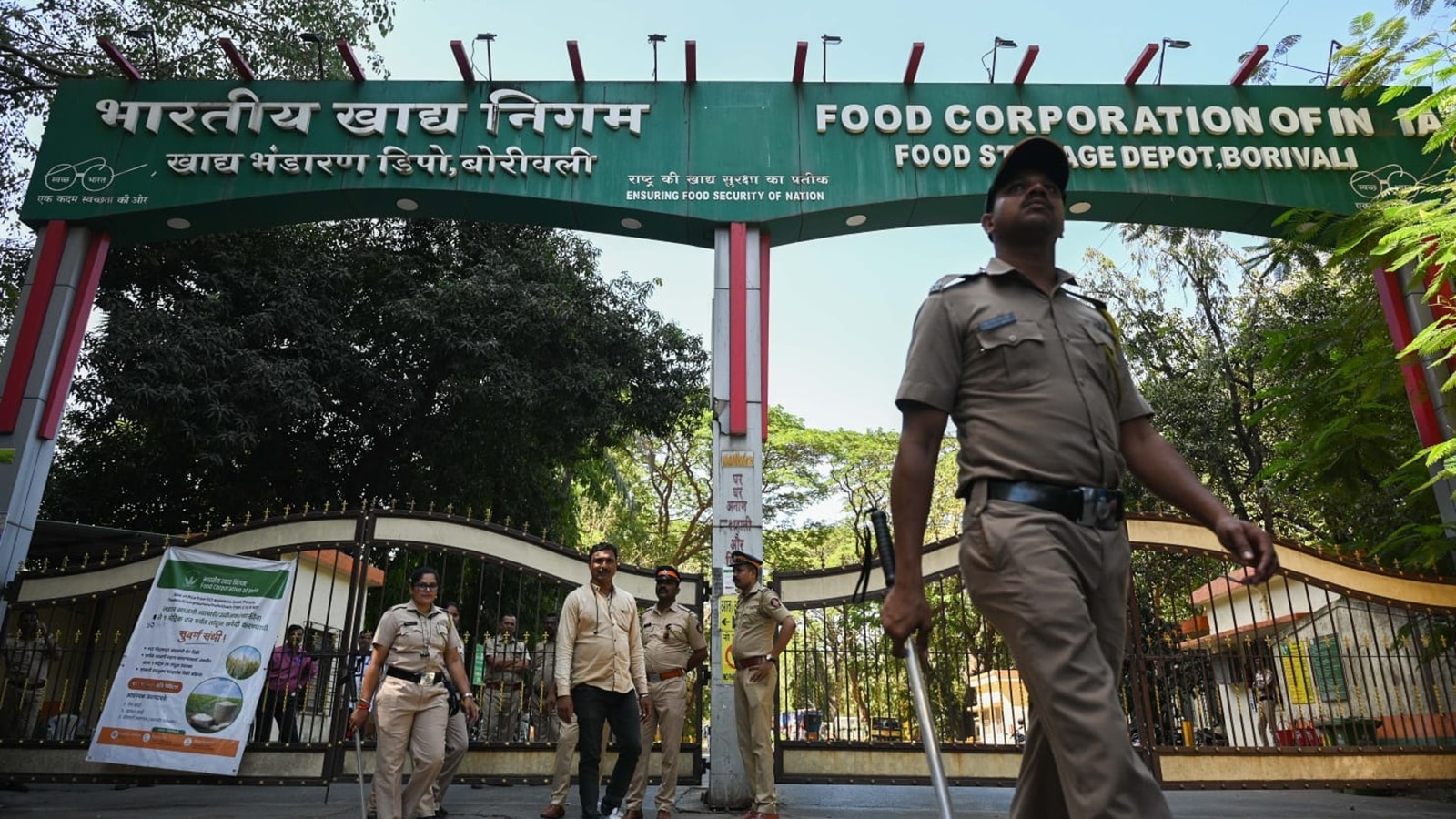
The diagnostic check began at a high-security warehouse where the EVMs are stored under lock and key. Engineers from Bharat Electronics Limited (BEL), the company that manufactures these machines, were brought in to perform the technical inspection. The process is being watched closely by representatives from both the winning and losing political parties to ensure everything is fair. The inspectors are looking at the internal memory of the machines and checking if the data matches the official records from the day of the vote.
Important Numbers and Facts
The legal battle started because of an extremely close election result in the Chandivli constituency. In the 2019 Maharashtra Assembly elections, the winning candidate, Dilip Lande, won by a tiny margin of only 409 votes. His opponent, Naseem Khan, filed a petition in court claiming there were problems with how the votes were counted. The court has ordered the inspection of several hundred Control Units and VVPAT (Voter Verifiable Paper Audit Trail) machines that were used across various polling stations in the area. This check is expected to take several days to complete because each machine must be opened and tested individually.
Background and Context
In India, Electronic Voting Machines are used to make counting faster and more efficient. An EVM consists of two main parts: a balloting unit, where the voter presses a button, and a control unit, which stores the data. Most machines now also have a VVPAT unit, which prints a small slip of paper so the voter can see their choice before it falls into a sealed box. While the Election Commission of India maintains that these machines cannot be hacked, losing candidates often raise concerns when the margin of victory is very small. In the case of Chandivli, the legal fight has lasted for years, moving through different stages of the court system before reaching this physical inspection phase.
Public or Industry Reaction
The reaction to this news has been mixed. Supporters of the petition feel that this check is a victory for transparency. They believe that every vote must be accounted for, especially when the difference between winning and losing is so small. On the other hand, some officials worry that these long legal battles create uncertainty. They argue that the EVM system is already secure and that repeated checks might slow down the legal process. However, most neutral observers agree that a physical check is the best way to clear any doubts and prove to the public that the system works correctly.
What This Means Going Forward
The results of this diagnostic check will be sent back to the High Court in a detailed report. If the engineers find any technical errors or data mismatches, it could lead to a major legal shift. In extreme cases, a court could order a recount or even a new election, though this is very rare. If the machines are found to be perfectly accurate, it will likely end the legal challenge and confirm the original result. Beyond this specific case, the outcome will influence how the Election Commission handles complaints in future elections. It may lead to stricter rules on how machines are stored and how quickly these checks must be performed after a complaint is filed.
Final Take
Trust is the most important part of any election. When voters or candidates have doubts, the legal system must provide a clear way to find the truth. This diagnostic check in Chandivli is a practical way to provide that clarity. By using technical experts to verify the machines, the court is ensuring that the final word on the election is based on facts and data rather than just claims. Regardless of the outcome, this process helps protect the basic principles of fair play in a democracy.
Frequently Asked Questions
What is a diagnostic check for an EVM?
It is a technical inspection where engineers check the hardware and software of the voting machine. They look for errors, check the battery, and verify that the stored vote data is correct and has not been changed.
Why is this check happening so long after the election?
Election petitions in India often take a long time to move through the court system. The legal process involves many hearings and evidence gathering before a judge decides to order a physical inspection of the machines.
Can the election result change because of this?
Yes, it is possible. If the check reveals significant errors that could have changed the winner, the High Court has the power to take legal action, which could include changing the declared result or ordering a new vote.



