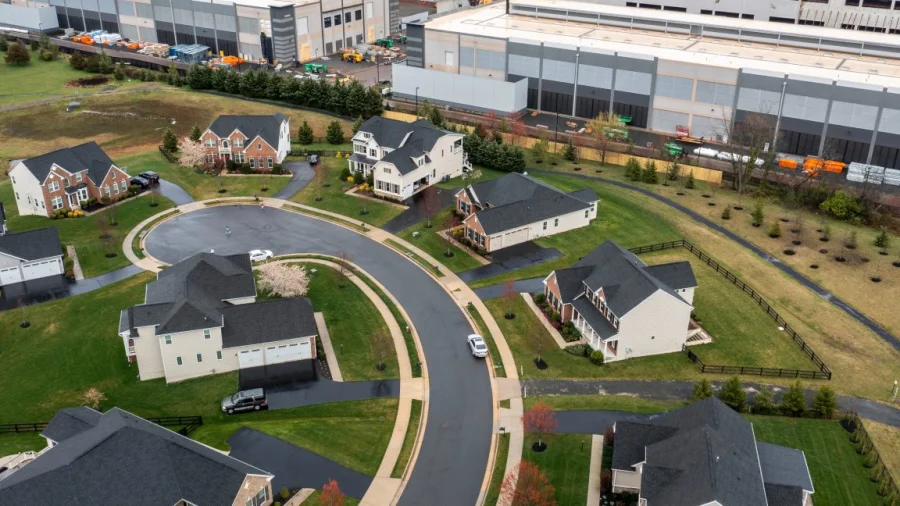
Imagine waking up one morning to find a new power plant — one that runs on diesel or natural gas — being built next to your home, powering a massive AI data center. And you never got a chance to say a word about it. That future may be closer than you think.
What the EPA is quietly proposing
The Trump administration is considering a rule change that could make it significantly easier for polluters to build facilities — including gas plants and diesel generators that power data centers — with little to no notice to the public. On Wednesday, the Environmental Protection Agency held a public hearing on the proposed change, which would hand the power to states to decide how the public participates in the permitting process for certain new sources of air pollution.
Why this matters for your neighborhood
Currently, when a company wants to build a new source of air pollution — like a diesel generator for a data center — federal rules require a public notice and comment period. The proposed change would let states decide whether to hold hearings, publish notices, or even inform nearby residents at all. For communities already facing a surge in data center development, this could mean losing their most effective tool to push back.
The data center boom driving the change
AI firms are racing to build massive data centers across the US, each requiring enormous amounts of electricity. To meet that demand quickly, many developers are turning to natural gas plants and diesel generators — sources of air pollution that currently trigger federal permitting requirements. The proposed rule change appears designed to speed up this process by removing the public notice step that often leads to delays and community opposition.
Who is affected and how
Residents in communities near proposed data center sites — from rural Virginia to suburban Ohio — are the most directly affected. Many have used the permitting process to demand environmental impact studies, public hearings, and even to block projects entirely. If the rule change goes through, they could lose that voice. Environmental justice advocates warn that low-income and minority communities, already overburdened by pollution, would bear the brunt.
What the EPA hearing revealed
At Wednesday's hearing, environmental groups and community advocates testified against the proposal, arguing it would gut public participation rights. Industry representatives, including data center developers and energy companies, argued the current process is too slow and costly, and that states are better positioned to manage local permitting. The EPA has not indicated when it will make a final decision.
What this change actually means
The proposed rule is not a blanket elimination of all public notice. It applies specifically to "certain new sources of air pollution" — a category that includes many types of power generation used by data centers. The key shift is from federal minimum standards to state discretion. In practice, this could mean some states maintain strong public notice requirements while others eliminate them entirely, creating a patchwork of protections across the country.
Confirmed facts vs what remains unclear
Confirmed: The EPA held a public hearing on the proposed rule change on Wednesday. The change would give states authority over public participation in permitting for certain new air pollution sources. Data centers are increasingly using gas plants and diesel generators. Unclear: The exact timeline for a final decision. Which states would reduce public notice requirements. Whether the rule will apply retroactively to projects already in the pipeline. All of this remains under consideration.
Risks and balanced view
Supporters of the change argue it will reduce red tape, speed up energy infrastructure, and help meet the growing demand from AI and data centers. Critics warn it will silence communities, increase pollution in vulnerable neighborhoods, and undermine decades of environmental law. The truth likely lies somewhere in between: some states may handle permitting responsibly, while others may prioritize development over public health.
The wider pattern: deregulation and AI infrastructure
This proposed rule change is part of a broader push by the Trump administration to fast-track energy and infrastructure projects, particularly those tied to AI and technology. Similar efforts have been seen in permitting reforms for transmission lines and natural gas pipelines. The underlying tension is between the need for rapid AI infrastructure buildout and the rights of local communities to have a say in what gets built in their backyards.
What you can do now
If you live in an area where a data center or power plant is proposed, check with your state environmental agency to understand local permitting rules. Attend local planning board meetings. Contact your state representatives to ask where they stand on public notice requirements. The federal rule change is still in proposal stage — public comments can be submitted to the EPA. Your voice matters now more than ever.
What happens next
The EPA will review comments from Wednesday's hearing and any written submissions before deciding whether to finalize the rule. If finalized, states would then have the authority to set their own public participation rules. Legal challenges from environmental groups are almost certain. The timeline for finalization is unclear, but the administration is expected to move quickly given the urgency around AI infrastructure.
Our Take
This proposed rule change is a classic example of a policy that sounds technical but has profound real-world consequences. On one hand, the US does need faster permitting for critical infrastructure, including energy for AI. On the other, removing public notice requirements undermines a fundamental democratic principle: that people have a right to know what is being built in their communities and to have a say in it. The best outcome would be a balanced approach — faster permitting with meaningful public participation, not silence. The worst outcome is communities waking up to a power plant they never knew was coming.
Frequently Asked Questions
What exactly is the EPA proposing?
The EPA is considering a rule change that would let states decide how much public notice and participation is required before certain new sources of air pollution — like gas plants and diesel generators for data centers — can be permitted. Currently, federal rules set minimum public notice standards.
How would this affect AI data centers?
AI data centers require massive amounts of electricity, often from natural gas plants or diesel generators. These are sources of air pollution that currently trigger federal permitting requirements with public notice. The proposed change could allow these facilities to be built with little or no community input.
Can I still object to a data center being built near me?
Under the current rules, yes — you can participate in the federal permitting process by submitting comments or attending hearings. If the rule change is finalized, your ability to object will depend on your state's rules. Some states may maintain strong public participation; others may not.
When will the EPA decide on this rule?
The EPA has not announced a specific timeline. The public hearing was held on Wednesday, and written comments are still being accepted. A final decision could come within weeks or months, depending on the administration's priorities.