
Summary
A tragic accident near Chennai has claimed the life of a young engineering student following an explosion in a restricted area. The student was part of a group of six friends who had gone trekking on a hill near a military firing range. The group had entered the area without getting the necessary permission from the authorities. This incident has raised serious concerns about the safety of trekking in unauthorized zones and the hidden dangers of unexploded military equipment.
Main Impact
The death of the student has sent shockwaves through the local community and the student's college. It highlights a major safety issue regarding how easily people can access dangerous military zones. The primary impact of this event is the immediate call for stricter enforcement of "no-entry" rules around firing ranges. It also serves as a painful lesson for young explorers about the life-threatening risks of ignoring warning signs and legal boundaries.
Key Details
What Happened
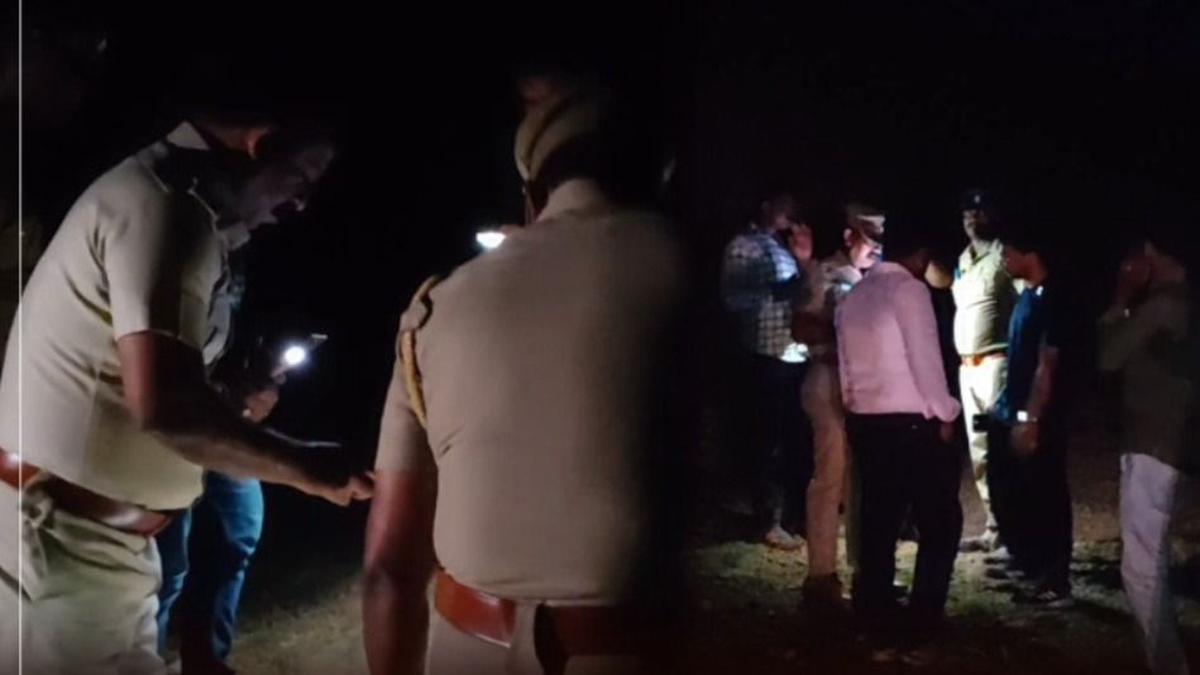
The incident took place when a group of six engineering students decided to go on an outdoor adventure. They chose to climb a hill located near the Anumanthapuram firing range, which is situated on the outskirts of Chennai. While they were walking through the hilly terrain, they encountered an explosive device. Reports indicate that the device detonated unexpectedly, causing fatal injuries to one of the students. The other five members of the group were present at the time of the blast and were left in a state of deep shock. Local police were alerted to the situation and rushed to the scene to provide help and secure the area.
Important Numbers and Facts
The group consisted of six students in total, all of whom were studying engineering. The location, Anumanthapuram, is a known site used by security forces for live firing practice and training exercises. Because it is a firing range, the area is strictly off-limits to the public. The students did not have any legal permit or permission to be on the hill at the time of the accident. Following the blast, police cordoned off the site to search for any other potential hazards and to conduct a full investigation into the source of the explosive.
Background and Context
Military firing ranges are areas where soldiers practice using guns, grenades, and other heavy weaponry. During these practice sessions, it is common for some shells or explosive devices to fail to go off. These are known as "duds." Even though they did not explode when they were first used, they remain extremely dangerous. They can sit in the dirt for many years and still be active. If someone steps on them, picks them up, or even moves them slightly, they can explode with great force. This is why these zones are marked with warning signs and are closed to the public. In recent years, trekking has become a very popular activity for students in Chennai, leading many to seek out new and remote locations, sometimes without checking if the land is safe or legal to enter.
Public or Industry Reaction
The local community has expressed deep sadness over the loss of a young life. Many residents living near the Anumanthapuram area say that while they know the hills are dangerous, they often see young people trying to climb them for the view or for social media photos. Police officials have issued a strong statement advising the public to stay away from all military and government-restricted lands. There is a growing discussion among safety experts about the need for better fencing and more visible warning signs in multiple languages to ensure that no one wanders into these high-risk areas by mistake. College authorities are also expected to issue safety advisories to their students regarding unauthorized trips.
What This Means Going Forward
In the coming weeks, there will likely be an increase in patrols around the Anumanthapuram firing range to prevent further trespassing. The police investigation will focus on identifying the exact type of explosive that caused the death and whether there are more such devices scattered on the hill. For the trekking community, this event is a wake-up call to stick to approved trails and always seek permission before entering unknown territory. Schools and colleges may also introduce safety workshops to teach students about the physical dangers of unexploded ordnance and the legal consequences of trespassing on government property.
Final Take
This heartbreaking event shows that a simple weekend trek can turn into a disaster if safety rules are ignored. While exploring nature is a great way to spend time, it must be done responsibly. Respecting restricted zones is not just about following the law; it is about staying alive. The loss of this student is a reminder that some boundaries are put in place for the sole purpose of protecting human life.
Frequently Asked Questions
Why is it dangerous to trek near a firing range?
Firing ranges often contain unexploded shells or grenades that did not go off during military practice. These devices can explode if they are touched or stepped on, even years later.
Did the students have permission to be on the hill?
No, the police confirmed that the group of six students entered the restricted area near the Anumanthapuram firing range without any authorization.
What should I do if I see a strange metal object while hiking?
You should never touch, kick, or move any strange metal objects found in the wild. Move away from the area immediately and report the location to the local police.



