
Summary
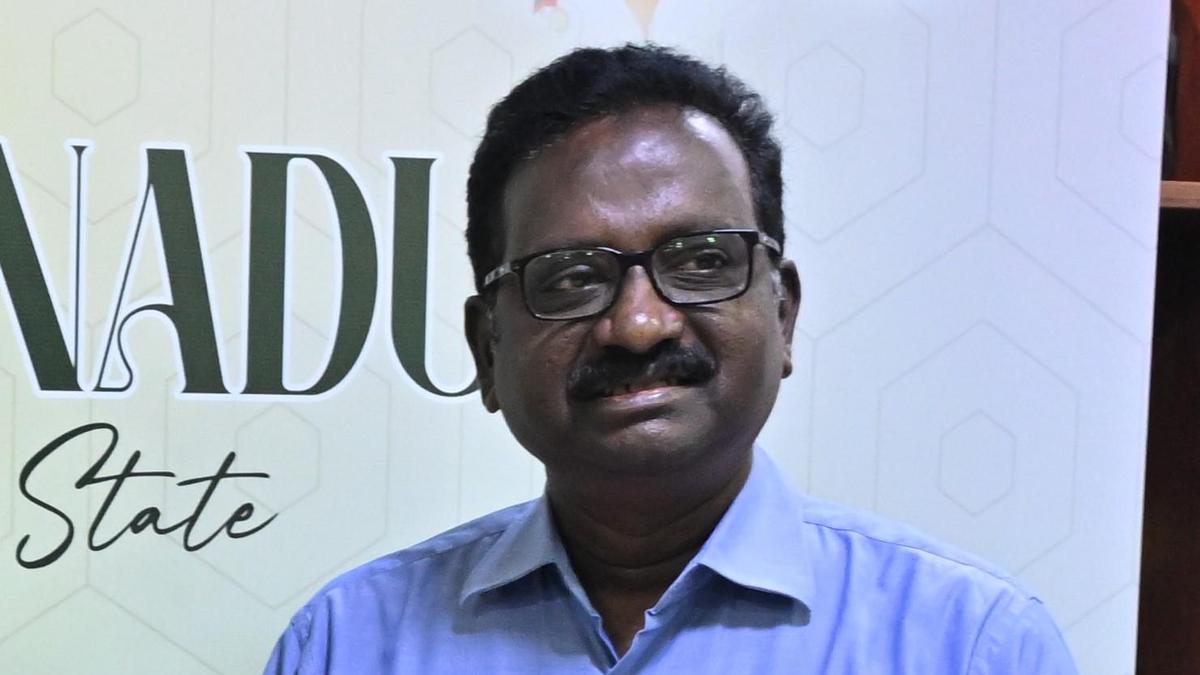
The Home Secretary has officially named Durai Kumar as the new person in charge of the Directorate of Vigilance and Anti-Corruption (DVAC). This decision comes immediately after a major reshuffle of police officers ordered by the Election Commission. The move ensures that the state’s main anti-corruption agency continues to function smoothly during the busy election season. By filling this leadership role, the government aims to maintain steady oversight of public service conduct while the state prepares for upcoming polls.
Main Impact
The primary impact of this appointment is the stability it brings to the state’s law enforcement structure. When the Election Commission moves high-ranking officials, it can sometimes create a gap in leadership for important departments. The DVAC is a critical agency that handles sensitive cases involving government officials. Having Durai Kumar take charge means that ongoing investigations will not be delayed. It also sends a clear message that the government is committed to keeping its anti-corruption efforts active, even during a period of political transition.
Key Details
What Happened
The Home Secretary issued an official order to place Durai Kumar in the top spot at the DVAC. This happened because the Election Commission of India (ECI) recently moved several senior police officers to different roles. These reshuffles are common during election cycles to ensure that the voting process is fair and that no official has too much influence in one area for too long. Durai Kumar, an experienced officer, was chosen to lead the department during this critical time.
Important Numbers and Facts
The appointment follows a series of transfers involving multiple Indian Police Service (IPS) officers across the state. The Election Commission often reviews the placement of officers who have served in the same position for more than three years or those who are working in their home districts. While the exact number of officers moved in this specific reshuffle varies, it usually involves dozens of high-level positions to meet the requirements of the Model Code of Conduct. Durai Kumar will now oversee the vast network of the DVAC, which includes multiple units spread across various districts.
Background and Context
To understand why this matters, it is helpful to know what the DVAC and the Election Commission do. The DVAC is the agency responsible for stopping bribery and the misuse of power by people working in the government. They look into complaints from the public and conduct raids when they suspect someone is breaking the law. It is one of the most powerful departments in the state government.
The Election Commission of India is the body that runs elections. When an election is announced, they follow a set of rules called the Model Code of Conduct. One of their powers is to move police officers and civil servants around. They do this to make sure that the people in charge of security and administration remain neutral. If an officer is thought to be too close to a political party, the Commission will move them to a different job until the election is over. The Home Secretary works with the Commission to make sure these changes happen correctly and that every department still has a leader.
Public or Industry Reaction
Administrative experts generally view this appointment as a standard but necessary step. In the past, delays in filling such roles have led to a backlog of cases and a lack of direction within the police force. By acting quickly, the Home Secretary has avoided these problems. Members of the public often look for signs that the government is still working hard during election months. Seeing a senior officer like Durai Kumar take over the DVAC provides a sense of security that the rules are still being enforced. There has been little political pushback, as these types of appointments are seen as part of the normal legal process during an election year.
What This Means Going Forward
In the coming weeks, Durai Kumar will be responsible for managing the daily operations of the DVAC. This includes overseeing current investigations and starting new ones if necessary. His leadership will be tested as the state moves closer to election day, a time when political tensions are often high. Once the election is finished and a new government is formed, there may be another round of permanent appointments. For now, the focus is on keeping the department professional and independent. The next steps will involve ensuring that all district units of the DVAC are following the latest guidelines and staying out of political disputes.
Final Take
The appointment of Durai Kumar is a practical move to keep the state’s anti-corruption machinery running. It shows that even when the Election Commission makes big changes, the government has a plan to keep order. By placing an experienced officer in such a vital role, the Home Secretary has ensured that the fight against corruption remains a priority. This helps maintain public trust and ensures that the law is applied fairly to everyone, regardless of the political climate.
Frequently Asked Questions
Who is Durai Kumar?
Durai Kumar is a senior police officer who has been appointed as the in-charge head of the Directorate of Vigilance and Anti-Corruption (DVAC) following a government order.
Why did the Election Commission reshuffle the officers?
The Election Commission moves officers to ensure that the election process is fair and neutral. This prevents any single official from having an unfair influence over the voting process in a specific area.
What does the DVAC do?
The DVAC is a government agency that investigates corruption, bribery, and the misuse of power by public servants and government officials.



