
Summary
The UAE government has announced a massive Dh6 billion transport masterplan to fix the heavy traffic between Dubai, Sharjah, and Ajman. This project includes a new major highway and a high-speed Bus Rapid Transit system. The goal is to make daily travel faster and easier for thousands of workers and families who move between these three emirates every day. By focusing on smart technology and better public transport, the government hopes to solve long-standing road congestion issues.
Main Impact
The biggest impact of this plan will be the reduction in travel time for daily commuters. Currently, many people spend several hours each day stuck in traffic while driving between their homes in Sharjah or Ajman and their jobs in Dubai. This new investment aims to cut those wait times significantly. Beyond just saving time, the project is expected to lower fuel costs for drivers and reduce the stress that comes with heavy road congestion. It also makes the Northern Emirates more attractive places to live and do business.
Key Details
What Happened
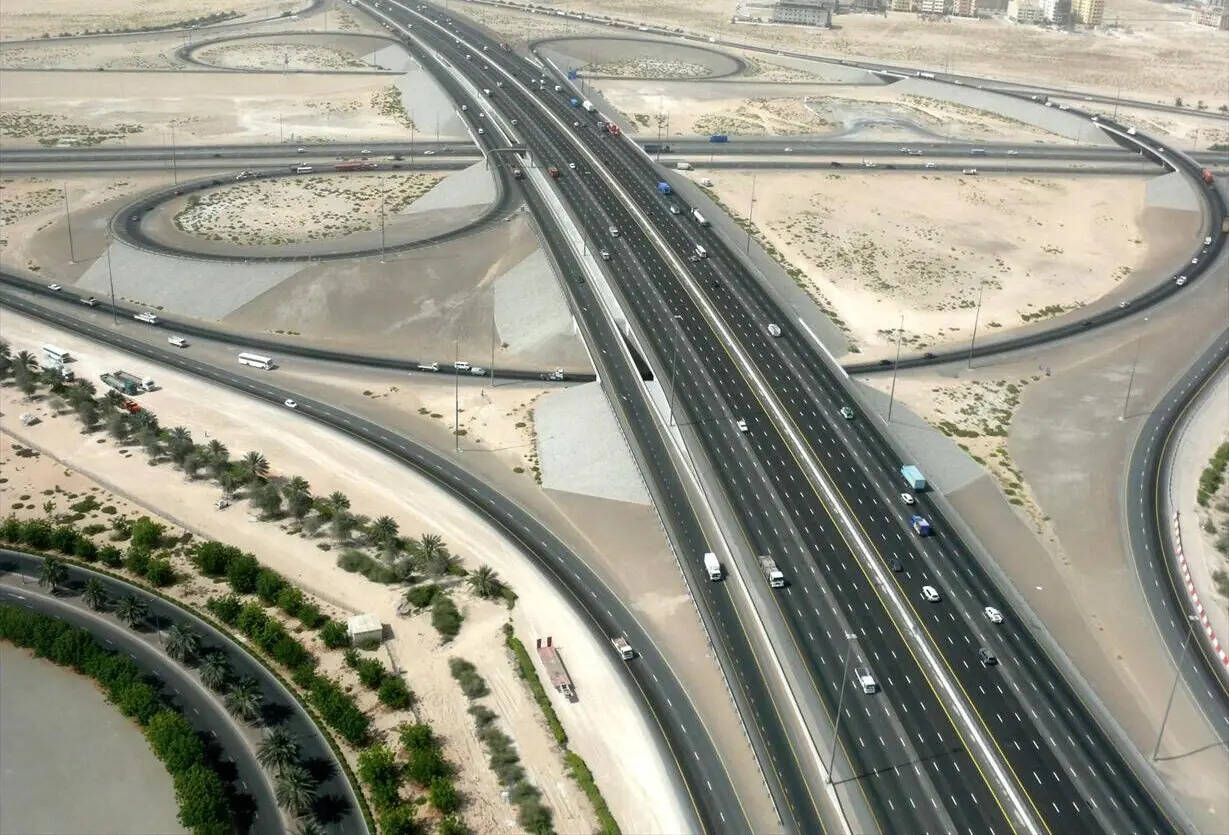
The UAE authorities revealed a comprehensive plan to upgrade the transport links connecting Dubai with its neighboring emirates to the north. The plan is not just about building more roads; it is about changing how people move. A key part of this is the introduction of a Bus Rapid Transit (BRT) system. This system uses dedicated lanes for buses, allowing them to bypass car traffic and move as quickly as a light rail or metro system. Additionally, a new highway project will be built to provide more space for vehicles and better exit points to prevent bottlenecks.
Important Numbers and Facts
The total budget for this initiative is set at Dh6 billion. This is one of the largest transport investments in the region in recent years. The project covers the main corridors that link Dubai, Sharjah, and Ajman. While specific completion dates are being finalized, the plan is part of a broader national strategy to improve infrastructure by 2030. The authorities expect that the new systems will handle tens of thousands of passengers every hour, moving them across emirate borders much more efficiently than the current road network allows.
Background and Context
For many years, the roads connecting Dubai and Sharjah have been some of the busiest in the world. Because house rents are often lower in Sharjah and Ajman, many people choose to live there while working in Dubai’s business districts. This creates a massive "tidal wave" of traffic every morning and evening. The existing highways, such as the E11 and E311, often reach their full capacity during peak hours. In the past, the solution was simply to add more lanes to existing roads. However, experts now agree that adding lanes is not enough. This new masterplan shifts the focus toward "smart mobility," which means using data, technology, and public transport to manage the flow of people more effectively.
Public or Industry Reaction
Residents in the Northern Emirates have reacted with a sense of relief to the news. Many have taken to social media to share their hopes that the new bus system will allow them to leave their cars at home. Business leaders also see this as a positive step. Companies in Dubai often struggle with employees arriving late due to unpredictable traffic. Improved transport links mean a more reliable workforce. Additionally, logistics and delivery companies expect that fewer traffic jams will help them move goods between the emirates faster, which could lower operational costs for many small businesses.
What This Means Going Forward
As the project moves into the construction phase, drivers should prepare for some temporary delays. Building new highways and dedicated bus lanes often requires road diversions. However, the long-term benefits are expected to outweigh these short-term problems. The success of the Bus Rapid Transit system could lead to even more public transport options in the future, such as extending the Dubai Metro or creating new rail links. This plan also aligns with the UAE’s goal to reduce carbon emissions. By encouraging more people to use high-speed buses instead of private cars, the country can lower its total air pollution and move toward a greener future.
Final Take
This Dh6 billion investment is a clear sign that the UAE is serious about fixing its most difficult traffic problems. By combining new road construction with modern public transport like the BRT, the government is providing a balanced solution. For the thousands of people who travel between Dubai, Sharjah, and Ajman every day, these changes promise a future where they spend less time on the road and more time at home with their families. It is a major step in making the country’s infrastructure ready for the next decade of growth.
Frequently Asked Questions
What is a Bus Rapid Transit (BRT) system?
A BRT is a high-quality bus system that acts like a subway on wheels. It uses dedicated lanes that cars cannot enter, allowing buses to move quickly through traffic without getting stuck in jams.
Which areas will benefit most from this Dh6 billion plan?
The plan specifically targets the routes between Dubai, Sharjah, and Ajman. People who live in the Northern Emirates and work in Dubai will see the most significant improvement in their daily commute.
Will this project help the environment?
Yes. By providing a fast and reliable bus system, the plan encourages people to use public transport instead of driving their own cars. This helps reduce the number of vehicles on the road and lowers total carbon emissions.

