
Summary
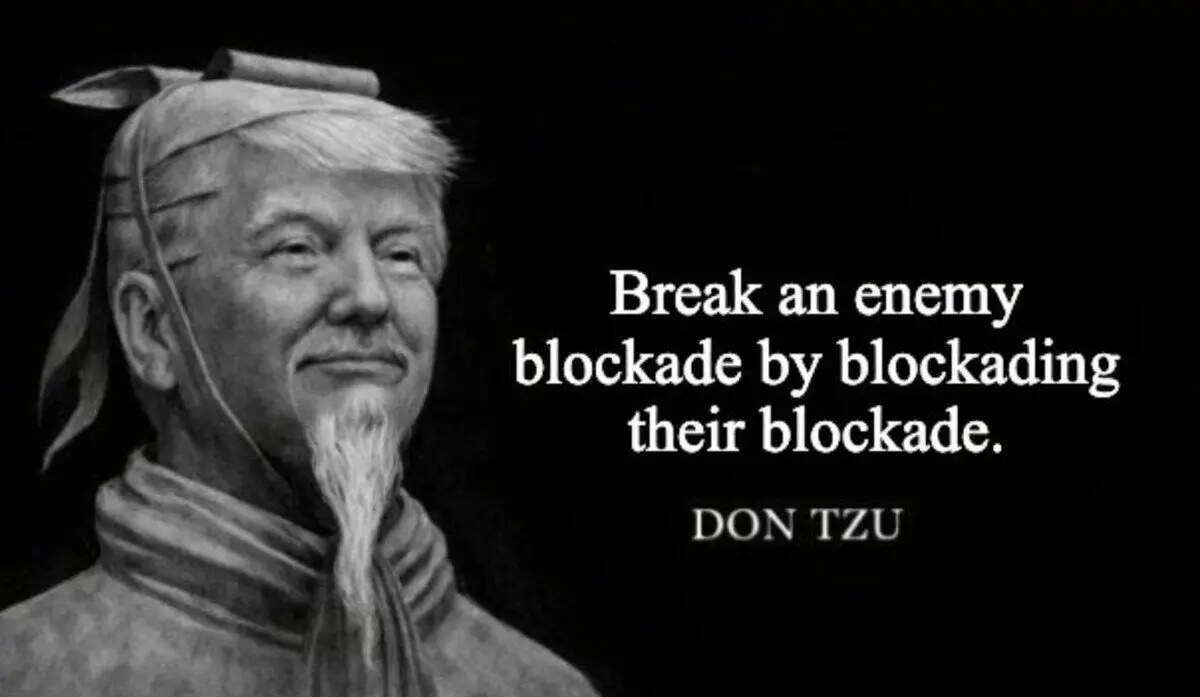
A new style of political strategy is changing how leaders gain and keep power. This method, often linked to Donald Trump and nicknamed "Don Tzu," focuses on a philosophy of constant winning. It moves away from traditional political rules and creates a path where defeat is never accepted. This shift is significant because it challenges the ideas of history’s greatest thinkers, such as Sun Tzu, Machiavelli, and Chanakya. By redefining what it means to win, this approach is reshaping modern elections and public debate.
Main Impact
The primary impact of this "Don Tzu" strategy is the total change in how political conflict works. In the past, leaders followed a set of unwritten rules about when to step back or admit a mistake. Today, the strategy is to stay on the attack at all times. This has created a political environment where the goal is not just to beat an opponent, but to change the very definition of success. This affects how voters process information, as they are now more likely to see every event through the lens of a struggle for power rather than a search for common ground.
Key Details
What Happened
The term "Don Tzu" has become a popular way to describe a unique blend of business tactics and political warfare. Unlike traditional politicians who try to appeal to everyone, this strategy focuses on keeping a loyal group of supporters energized. It uses every challenge, including legal battles and media criticism, as a tool to build more support. Instead of avoiding conflict, this method seeks it out. The idea is that by staying in the news and never showing weakness, a leader can stay relevant and powerful regardless of the situation.
Important Numbers and Facts
Data from recent years shows that this strategy has a strong effect on fundraising and voter loyalty. For example, when faced with legal challenges, the "Don Tzu" approach often leads to a massive increase in small-dollar donations. In some cases, a single day of negative news has resulted in millions of dollars raised from supporters who see the leader as a victim of the system. Polling also shows that a large percentage of voters now value "strength" and "winning" over traditional political experience or specific policy details. This shift suggests that the emotional connection to a leader’s perceived strength is becoming the most important factor in modern politics.
Background and Context
To understand why this matters, we have to look at the thinkers who came before. Sun Tzu was an ancient Chinese general who wrote "The Art of War." He believed that the best way to win was to defeat the enemy without even fighting. Machiavelli was an Italian writer who said it is better for a leader to be feared than loved. Chanakya was an Indian teacher who wrote about using any means necessary to protect the state. While these men were experts in power, they lived in a world without the internet or 24-hour news. The modern "Don Tzu" style takes their ideas and adds the power of social media and mass communication. It is a strategy built for an age where attention is the most valuable thing a person can own.
Public or Industry Reaction
The reaction to this style of leadership is deeply split. Political experts and historians often worry that it breaks the traditions that keep a country stable. They argue that if no one ever admits to losing, the system of peaceful power changes could fail. On the other hand, many people in the general public find this style refreshing. They feel that traditional politicians are too weak or too focused on polite talk while failing to get things done. In the world of political campaigning, many new candidates are trying to copy this "never back down" attitude, hoping to see the same kind of success with their own voters.
What This Means Going Forward
Looking ahead, the "only winning" mindset will likely become the new standard for many political movements. We can expect to see more leaders who refuse to follow old norms. This creates a risk of constant social tension, as there is no longer a shared agreement on what a "win" or a "loss" looks like. For voters, this means it will be harder to find clear facts, as every piece of news will be framed as a victory for one side or a trick by the other. The next few years will test whether a political system can survive when the participants no longer agree on the basic rules of the game.
Final Take
The rise of this new strategic style shows that power is no longer just about policy or law. It is about who can tell the most convincing story and who can stay the loudest in a crowded world. While ancient philosophers gave us the foundation for strategy, the modern era has rewritten the book. Success today belongs to those who can turn every obstacle into a stepping stone and every criticism into a badge of honor. The world is watching to see if this "art of winning" is a temporary trend or the permanent future of leadership.
Frequently Asked Questions
What is the "Don Tzu" strategy?
It is a political method that focuses on never admitting defeat, staying on the attack, and using every conflict to build more support among a loyal base.
How does this differ from Sun Tzu’s "Art of War"?
Sun Tzu focused on winning through quiet strategy and avoiding unnecessary battles. The modern "Don Tzu" style focuses on loud, constant conflict and using public attention as a weapon.
Why is this strategy successful in fundraising?
It frames the leader as a fighter who is being attacked by powerful enemies. This makes supporters feel that their donations are part of a larger battle to protect their values and their leader.

