
Summary
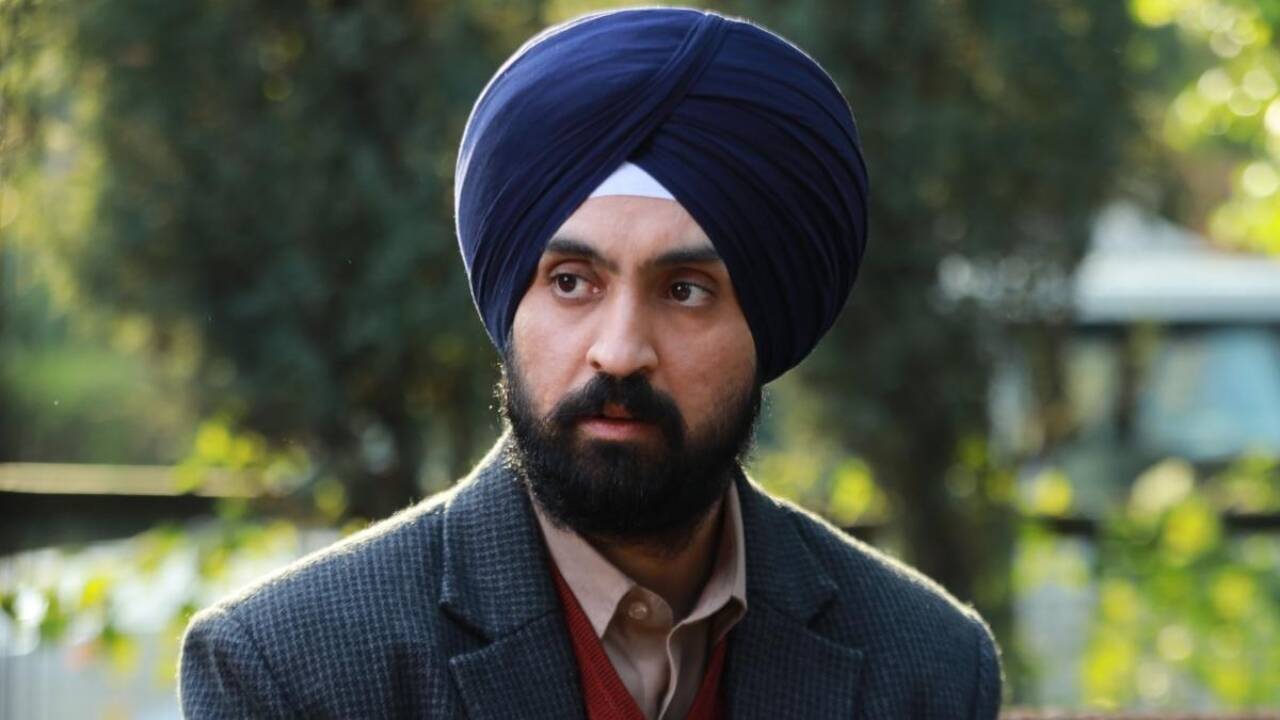
Diljit Dosanjh charged only Re 1 to play the role of activist Jaswant Singh Khalra in the upcoming film 'Satluj'. The actor said it would be shameful to take money for portraying a man who fought for justice. Director Honey Trehan shared this detail, noting Dosanjh's strong commitment to the project even as the film faces censorship problems. Khalra was a bank clerk who became a well-known human rights activist in Punjab after investigating alleged illegal cremations.
Main Impact
Diljit Dosanjh's decision to charge just one rupee for his role shows how deeply he respects Jaswant Singh Khalra's story. The actor's choice has drawn attention to the film and its subject matter. It also highlights the challenges the film faces with censorship, which could affect how many people get to see it. By taking such a small fee, Dosanjh has made a strong statement about the importance of telling Khalra's story.
Key Details
What Happened
Director Honey Trehan revealed that Diljit Dosanjh agreed to play Jaswant Singh Khalra in 'Satluj' for a fee of just one rupee. Dosanjh felt it was wrong to profit from the role of a man who gave his life for human rights. The film is based on the life of Khalra, a bank clerk who became a human rights activist in Punjab during the 1990s.
Important Numbers and Facts
Dosanjh charged Re 1 for the role. The film is called 'Satluj'. Jaswant Singh Khalra was a bank clerk who investigated the alleged cremation of bodies without proper legal process. His work brought national attention to human rights issues in Punjab. The film has faced censorship issues, though details about specific cuts or bans are not yet fully known.
Background and Context
Jaswant Singh Khalra was a bank employee in Punjab who started looking into reports of people being killed and their bodies cremated without family knowledge. His investigation uncovered evidence of mass cremations that many believed were linked to state actions during the insurgency period in Punjab. Khalra was abducted in 1995 and is believed to have been killed. His story remains important for many who seek justice and accountability. The film 'Satluj' aims to tell his story to a wider audience.
Public or Industry Reaction
News of Dosanjh's Re 1 fee has been met with praise from fans and industry insiders. Many see it as a sign of his dedication to meaningful storytelling. The film's censorship issues have also sparked discussion about freedom of expression in Indian cinema. Some supporters of Khalra's legacy have welcomed the film, while others worry that censorship could weaken its message.
What This Means Going Forward
Dosanjh's decision could encourage other actors to take on socially important roles without worrying about money. It also puts more pressure on the film's team to overcome censorship hurdles. If 'Satluj' reaches theaters, it could start new conversations about human rights and justice in Punjab. The film's success or failure may affect how future projects about sensitive historical topics are made and released.
Final Take
Diljit Dosanjh's Re 1 fee is not just a symbolic gesture. It shows his belief in the power of cinema to tell important stories. The real test will be whether the film can reach audiences despite censorship challenges. If it does, 'Satluj' could become a significant film about a man who many feel has not yet received full justice.
Frequently Asked Questions
Why did Diljit Dosanjh charge only Re 1 for 'Satluj'?
Diljit Dosanjh said it would be shameful to take money for playing Jaswant Singh Khalra, a human rights activist who was killed. He wanted to honor Khalra's sacrifice by not profiting from the role.
Who was Jaswant Singh Khalra?
Jaswant Singh Khalra was a bank clerk in Punjab who became a human rights activist. He investigated reports of illegal cremations of bodies during the 1990s insurgency. He was abducted in 1995 and is believed to have been killed.
What censorship issues does the film 'Satluj' face?
The film has faced censorship problems, though exact details are not fully public. Some reports suggest the film's content about human rights abuses in Punjab may have led to demands for cuts or changes before it can be released.



