
Summary
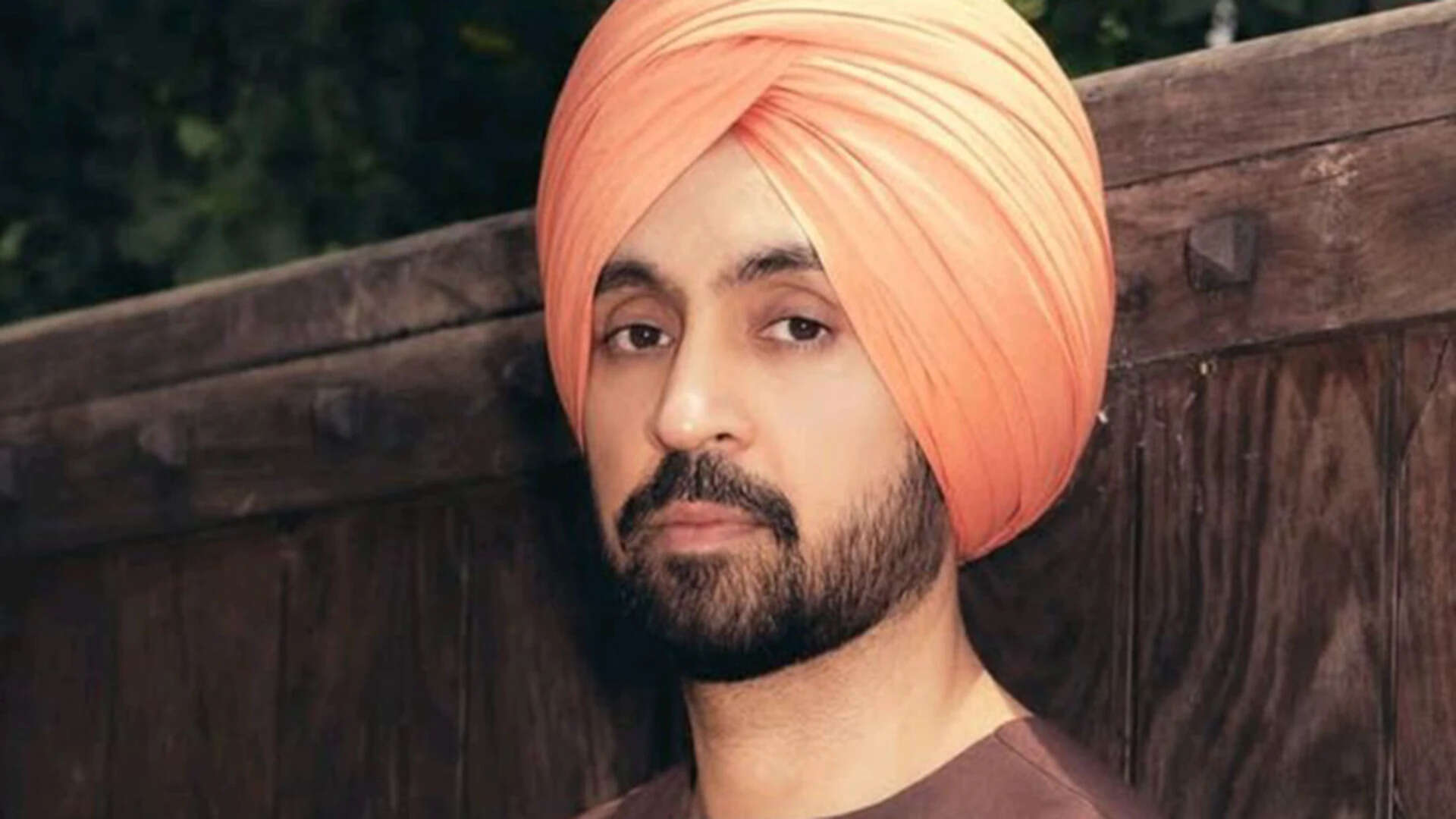
Punjabi actor and singer Diljit Dosanjh has voiced his support for the ongoing youth protests demanding changes to the NEET exam system and greater accountability from officials. Dosanjh said he expects to be called "anti-national" again, just like he was during the farmer protests. The protests, led by students and activists, saw demonstrators marching towards Parliament, where they were met with security forces and tear gas. A delegation has submitted a list of demands to BJP leader JP Nadda, including the resignation of a key minister. Meanwhile, activist Sonam Wangchuk continues his hunger strike, calling for talks with lawmakers.
Main Impact
Diljit Dosanjh's public backing of the protest brings significant attention to the movement. As a popular figure with a large fan base, his support can help spread the message to a wider audience. However, it also puts him at risk of facing online backlash and accusations of being unpatriotic, a pattern he has experienced before. The protests themselves highlight growing frustration among students and young people over the NEET exam process and the lack of accountability from those in power.
Key Details
What Happened
Diljit Dosanjh took to social media to express his support for the youth-led protests. He said he knows that speaking out will lead to people calling him "anti-national" again, referencing the criticism he faced during the 2020-2021 farmer protests. The protests are centered around demands for reforms to the NEET exam system, which many students say is unfair and poorly managed. Protesters also want the resignation of the minister responsible for education and health, holding them accountable for the issues.
Important Numbers and Facts
The protests saw a large number of students and activists marching towards Parliament House in New Delhi. Security personnel used tear gas to control the crowd. A delegation of protesters met with BJP leader JP Nadda and submitted a formal list of demands. These demands include a complete review of the NEET exam process and the resignation of the concerned minister. Activist Sonam Wangchuk, who is on a hunger strike, has been urging parliamentarians to engage in a dialogue to resolve the issues.
Background and Context
The NEET exam is a national-level test for students who want to study medicine in India. Over the years, there have been many complaints about the exam's fairness, including allegations of paper leaks and mismanagement. The current protests are part of a larger movement by students and activists who feel the government is not listening to their concerns. Diljit Dosanjh's involvement is notable because he has a history of speaking out on social and political issues, often facing backlash for his views. The farmer protests, which he supported, were a major movement against new agricultural laws that were later repealed.
Public or Industry Reaction
Reactions to Diljit Dosanjh's statement have been mixed. His fans and supporters have praised him for using his platform to stand with the youth. Many have shared his posts and expressed solidarity. On the other hand, critics have accused him of being a "troublemaker" and "anti-national." Some political figures have also commented, with some supporting the protesters and others condemning the demonstrations as disruptive. The protest itself has drawn attention from various news outlets, with coverage focusing on the use of tear gas and the demands of the protesters.
What This Means Going Forward
The protests are likely to continue as long as the government does not address the demands. Diljit Dosanjh's support could help keep the issue in the public eye, but it may also polarize opinions further. The government's response to the demands will be crucial. If they agree to a review of the NEET system and hold officials accountable, it could calm the situation. However, if they ignore the protests, the movement could grow. Sonam Wangchuk's hunger strike adds urgency to the situation, as his health could become a major concern. The coming days will show whether the government is willing to negotiate or if the protests will escalate.
Final Take
Diljit Dosanjh's decision to back the NEET protests shows that celebrities can play a role in amplifying public concerns. But it also shows the risks they take when they speak out on sensitive issues. The core of the matter is the demand for a fair and transparent exam system and accountability from those in charge. Whether the government listens or not will determine the future of this movement. For now, the youth are making their voices heard, and they have found a powerful ally in Diljit Dosanjh.
Frequently Asked Questions
Why is Diljit Dosanjh supporting the NEET protests?
Diljit Dosanjh has said he supports the youth who are demanding changes to the NEET exam system and accountability from officials. He believes the students have genuine concerns and wants to use his platform to help them.
What are the main demands of the protesters?
The protesters are asking for a complete review of the NEET exam process to make it fairer. They also want the resignation of the minister responsible for education and health, holding them accountable for mismanagement and alleged paper leaks.
Who is Sonam Wangchuk and why is he on a hunger strike?
Sonam Wangchuk is an activist from Ladakh who is known for his work on education and environmental issues. He is on a hunger strike to demand that parliamentarians engage in a dialogue with the protesters to resolve the NEET exam issues and other concerns.



