
Summary
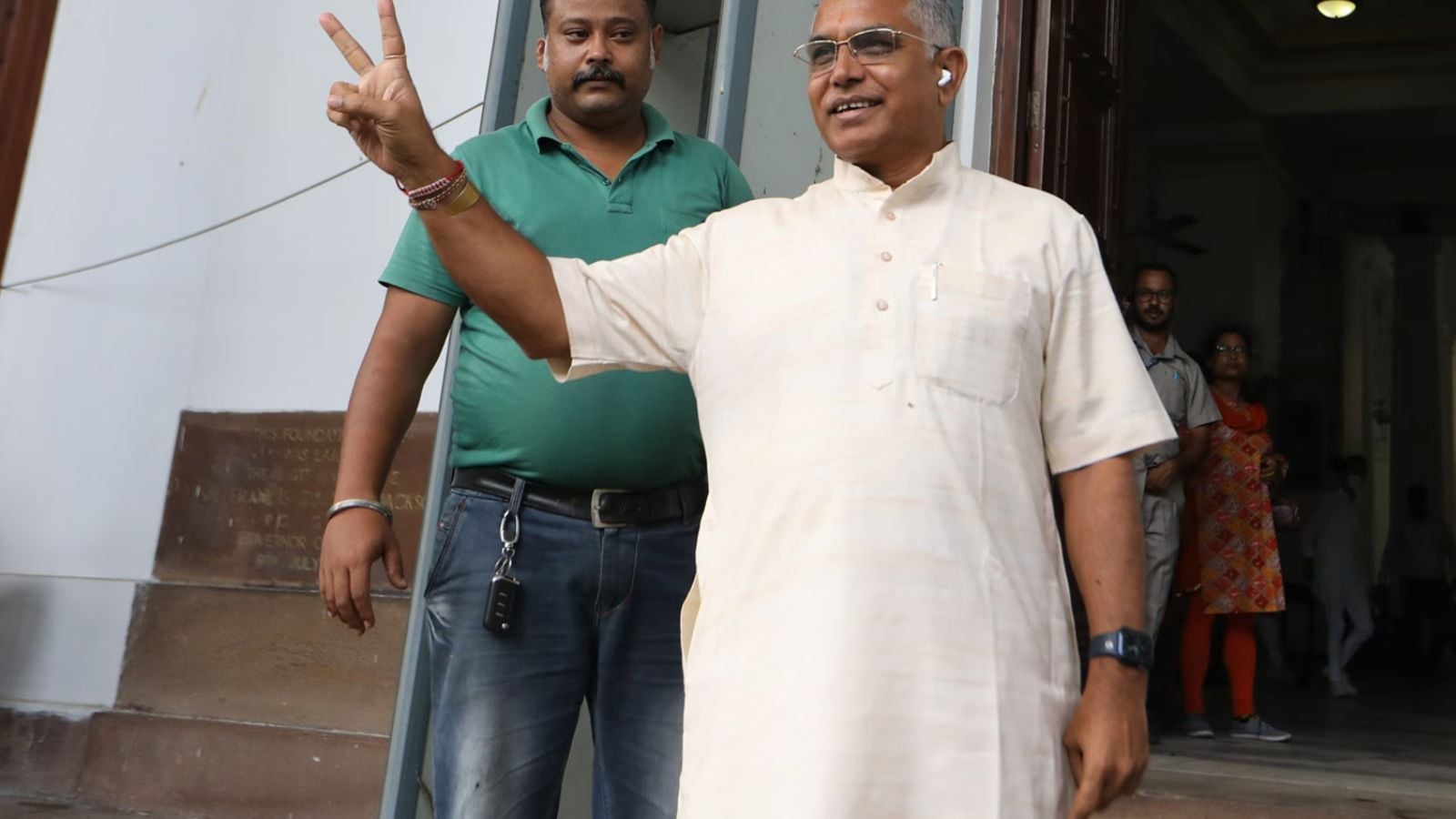
Dilip Ghosh, a senior leader of the Bharatiya Janata Party (BJP) in West Bengal, recently shared a lighthearted moment he had with Prime Minister Narendra Modi. During a meeting, the Prime Minister asked for traditional Bengali sweets, which are a famous part of the local culture. Ghosh responded by telling the Prime Minister that he would provide the sweets only after the election results are announced. This interaction has gained attention as it shows the high level of confidence within the party regarding their performance in the state.
Main Impact
The exchange between the two leaders is more than just a friendly conversation. It serves as a public signal of the BJP's optimistic outlook in West Bengal. In Indian politics, the act of sharing sweets is a traditional way to celebrate a major victory or a successful milestone. By delaying the treat until after the polls, Ghosh is making a clear statement that he expects a positive outcome for his party. This kind of public confidence is often used to boost the morale of party workers and supporters during a busy and tiring campaign season.
Key Details
What Happened
The conversation took place during one of Prime Minister Modi's visits to West Bengal for political rallies. As the Prime Minister met with local leaders, he jokingly brought up the topic of "Mishti," which is the Bengali word for sweets. Dilip Ghosh, who is known for his straightforward and sometimes blunt way of speaking, did not miss the chance to link the request to the ongoing political battle. He told the Prime Minister that the celebration should wait until the hard work of the election is finished and the results are officially declared.
Important Numbers and Facts
Dilip Ghosh is a veteran figure in West Bengal politics. He previously served as the state president for the BJP and has been a Member of Parliament. Under his leadership in past years, the party saw a major increase in its presence across the state. West Bengal is a critical area for the BJP, as it holds a large number of seats in the Lok Sabha. The party has been working for years to challenge the ruling Trinamool Congress (TMC), making every interaction between top leaders and local representatives a matter of public interest.
Background and Context
West Bengal has one of the most active and intense political environments in India. For decades, the state was a stronghold for left-wing parties before the Trinamool Congress took power. In recent years, the BJP has emerged as the primary challenger to the current state government. Leaders like Dilip Ghosh play a vital role because they bridge the gap between the central leadership in Delhi and the local voters in Bengal. Using cultural symbols like sweets helps the party connect with the everyday lives of the people. It turns a political contest into something that feels more personal and rooted in local traditions.
Public or Industry Reaction
The story of the "post-poll sweets" has seen a variety of reactions. Supporters of the BJP view it as a sign of a winning mindset and strong leadership. They believe that Ghosh’s confidence is a reflection of the support they are seeing on the ground. However, political opponents have a different view. Members of the opposition parties have suggested that such comments are a sign of overconfidence. They argue that in a democracy, the final word belongs to the voters, and it is too early to talk about celebrations before the ballots are counted. On social media, the interaction has sparked many discussions, with people sharing their own opinions on the political climate in the state.
What This Means Going Forward
As the election moves toward its final phases, the pressure on all political parties will continue to grow. This interaction sets a specific expectation for the BJP's performance. If the party achieves its goals, the story of Ghosh’s promise to the Prime Minister will likely be remembered as a famous moment of foresight. If the results are different, it may be used by critics to question the party's strategy. For now, the focus remains on the remaining days of campaigning. The party will likely continue to use these types of personal anecdotes to keep their base energized and focused on the goal of winning seats in a highly competitive region.
Final Take
The conversation between Dilip Ghosh and PM Modi highlights the human side of high-stakes political campaigning. It blends local cultural pride with national political goals. While the promise of sweets might seem like a small gesture, it represents the large ambitions the BJP holds for its future in West Bengal. It shows that even in the middle of a serious election, there is room for personal rapport and a shared sense of purpose among leaders.
Frequently Asked Questions
Who is Dilip Ghosh?
Dilip Ghosh is a senior leader of the BJP in West Bengal. He has served as the party's state president and is a well-known Member of Parliament who has played a major role in expanding the party's reach in the region.
Why did PM Modi ask for sweets?
The Prime Minister was making a friendly reference to "Mishti," the famous traditional sweets of West Bengal, during his visit to the state for election events.
What was the significance of Ghosh's reply?
By saying the sweets would be provided "after the polls," Ghosh was expressing his strong belief that the BJP will win the election, suggesting that the real celebration should happen once the victory is confirmed.



