
Dharmendra Pradhan’s resignation as Union Education Minister is more than a political casualty—it’s the latest entry in a rare list of moments when the Narendra Modi government stepped back from a policy position under sustained public pressure.
The collapse of an uncompromising education minister
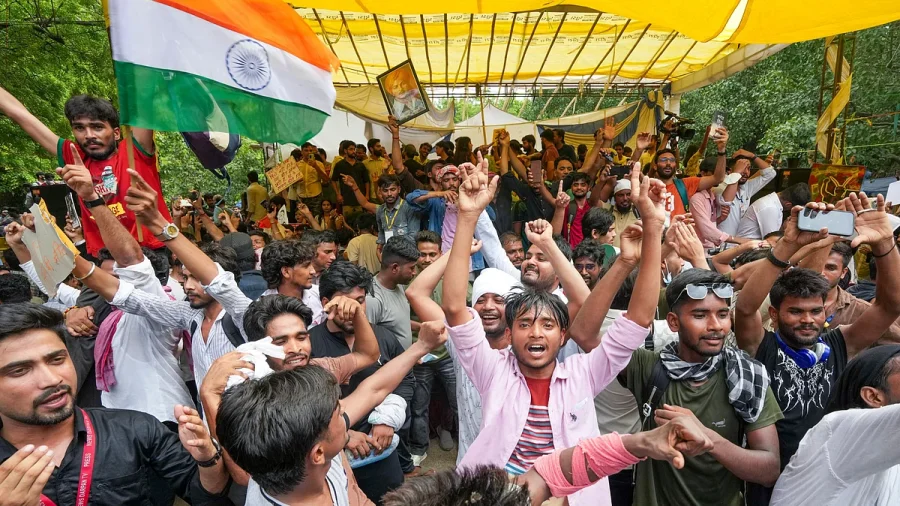
Pradhan quit on Saturday after weeks of nationwide agitation led by the Cockroach Janta Party (CJP), which had made his removal its core demand. The trigger: allegations of irregularities in the NEET-UG 2026 examination and the CBSE board’s controversial on-screen marking process.
How the protests forced a government U-turn
The Centre initially resisted, but after multiple rounds of talks with CJP leaders, it agreed to accept the resignation. Protesters, who had been camping at Delhi’s Jantar Mantar for over a month, called off their sit-in soon after the announcement.
The pattern of policy climbdowns since 2014
Pradhan’s exit is not an isolated event. It joins a short but significant history of Modi government reversals in the face of public outcry. The first major climbdown came in 2015, when the government withdrew the controversial land acquisition ordinance after opposition from farmers and civil society.
What this means for future government decision-making
Analysts see Pradhan’s resignation as a signal that sustained, organized protests—even from non-mainstream groups—can extract concessions from a government known for its tough posture. The episode also raises questions about accountability in the examination system and the political cost of administrative failures.
Confirmed facts vs what remains unclear
What is confirmed: Pradhan resigned; the CJP called off its agitation; the government acknowledged the protest demand. What remains unclear: Whether a formal investigation into the NEET paper leak and CBSE marking will be independent, and what structure the education ministry will take in the interim.
Wider implications for exam integrity and political accountability
The NEET-UG controversy and Pradhan’s departure highlight a growing trust deficit in high-stakes national examinations. Students and parents have long demanded tighter oversight. This event may push the government to overhaul examination conduct—or face more such climbdowns.
What affected students and families should watch next
Students who appeared for NEET-UG 2026 should monitor official announcements regarding re-examination or result validation. The CBSE results for affected batches may also see review. Parents and aspirants can file representations through the education ministry’s public grievance portal.
Future outlook: more reforms or more resistance?
The coming weeks will show whether the government introduces fresh measures to prevent paper leaks and marking bungles. If it reverts to a hardline stance, the pattern of climbdowns may repeat with the next examination cycle.
Our Take
Pradhan’s resignation is a rare instance of political accountability in an exam scandal, but it also reveals the government’s vulnerability to street pressure when institutional safeguards fail. For students, it offers a mixed lesson: protests can force action, but lasting reform requires systemic change, not just a change of faces.
Frequently Asked Questions
Why did Dharmendra Pradhan resign?
He resigned over allegations of irregularities in NEET-UG 2026 and the CBSE on-screen marking process, following weeks of protests by the Cockroach Janta Party.
What is the Cockroach Janta Party?
The Cockroach Janta Party (CJP) is a protest group that led nationwide demonstrations demanding Pradhan’s resignation; they called off their agitation after he stepped down.
Is this the first time the Modi government has reversed a policy under pressure?
No. Since 2014, the government has made several major climbdowns, starting with the 2015 land acquisition ordinance rollback.
What happens next for NEET-UG 2026 affected students?
Students should wait for official notifications on possible re-examination or result updates. The ministry may announce a review of the exam process following the resignation.

