
Summary
Congress President Mallikarjun Kharge has announced that the INDIA bloc of opposition parties will strongly oppose the new Delimitation Bill in the Lok Sabha. The opposition plans to vote against the Constitution (131st Amendment) Bill, fearing it will change the political balance of the country. They believe these changes will unfairly reduce the number of seats for southern states in Parliament. This move is seen as a major challenge to the government's current legislative plans.
Main Impact
The decision by the opposition to block these bills could lead to a significant standoff in Parliament. If the delimitation process goes forward as planned, it could change how many representatives each state sends to the Lok Sabha. Southern states have been successful in controlling their population growth, but the new rules might give more power to northern states with larger populations. This has created a fear that the political voice of the South will be weakened, leading to a divide between different regions of India.
Key Details
What Happened
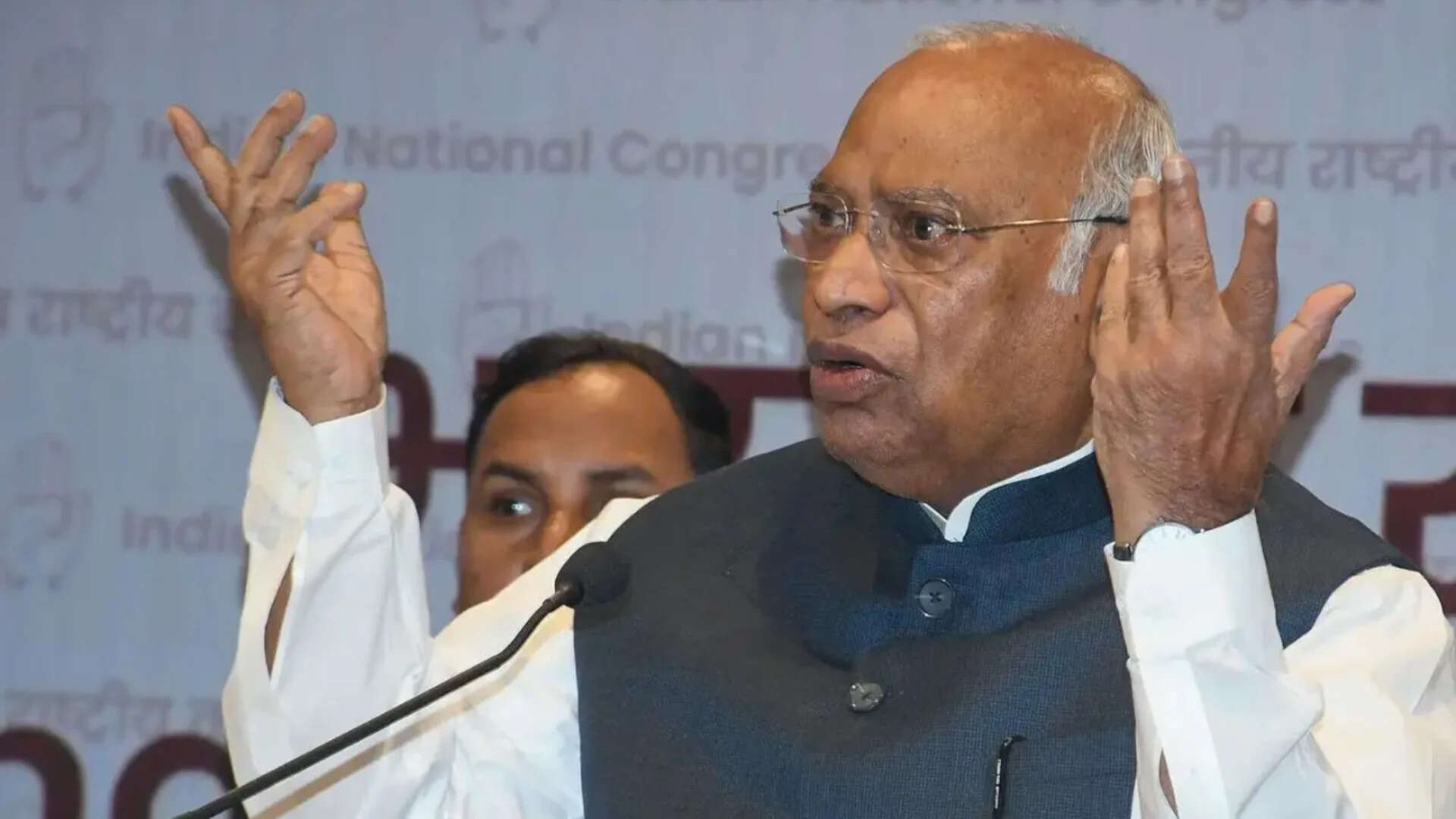
Mallikarjun Kharge, speaking for the united opposition, stated that they are ready to defeat the proposed laws. The opposition is particularly concerned about how the government has linked the redrawing of voting districts with the Women’s Reservation Bill. They argue that the government is using the promise of seats for women as a way to push through a delimitation process that could hurt opposition parties. Kharge mentioned that the INDIA bloc MPs are united in their goal to stop these bills from passing in their current form.
Important Numbers and Facts
The proposed changes are linked to the Constitution (131st Amendment) Bill. The opposition is worried that using data from the 2011 census to redraw boundaries will not be fair to all states. Currently, the Lok Sabha has 543 seats, but a new delimitation process could significantly increase this number. Critics argue that states like Tamil Nadu, Kerala, and Karnataka might lose their relative strength in Parliament compared to states like Uttar Pradesh or Bihar. The opposition claims this move is a strategy to "demolish" their political influence in regions where they are currently strong.
Background and Context
Delimitation is the process of fixing the limits or boundaries of territorial constituencies in a country. This is usually done to ensure that each seat in Parliament represents a similar number of people. However, India has not had a major update to these boundaries for many years to avoid punishing states that successfully implemented family planning programs. By redrawing the lines now based on population growth, states that did not control their population as well would gain more seats. This has turned into a sensitive political issue because it affects which parties can win a majority in the central government.
Public or Industry Reaction
Political experts and regional leaders from southern India have expressed deep concern over the bill. Many leaders from the INDIA bloc have called the move an attack on the federal structure of India. They believe that the government is trying to centralize power. On the other hand, supporters of the bill argue that it is necessary to ensure that every citizen's vote has equal weight, regardless of which state they live in. The debate has sparked a wider conversation about how to balance population-based representation with the need to respect states that have met national goals in health and education.
What This Means Going Forward
The upcoming sessions in the Lok Sabha are expected to be very tense. The government will need to gather enough support to pass the constitutional amendment, while the INDIA bloc will try to gather more allies to stop it. If the bill is defeated, the government may have to rethink its strategy for both delimitation and women's reservation. If it passes, we could see a massive shift in how elections are fought in India, with a much heavier focus on the northern population centers. This could lead to legal challenges in the Supreme Court as states fight to protect their current level of representation.
Final Take
The fight over the Delimitation Bill is a battle for the future of Indian democracy. It highlights the growing tension between different regions of the country and how they are represented at the national level. While the government sees it as a necessary update, the opposition views it as a political tool to stay in power. The outcome of this struggle in the Lok Sabha will determine how much influence different states have in making laws for years to come.
Frequently Asked Questions
What is the Delimitation Bill?
The Delimitation Bill is a proposal to redraw the boundaries of parliamentary constituencies based on population data. This determines how many seats each state gets in the Lok Sabha.
Why is the opposition against it?
The opposition fears that the bill will give more seats to northern states and fewer to southern states. They also believe it is being used to weaken opposition parties and delay the actual start of women's reservation in Parliament.
What is the 131st Amendment Bill?
This is a proposed change to the Constitution that would allow the government to move forward with the delimitation process and link it to other changes, such as the reservation of seats for women.



