
Summary
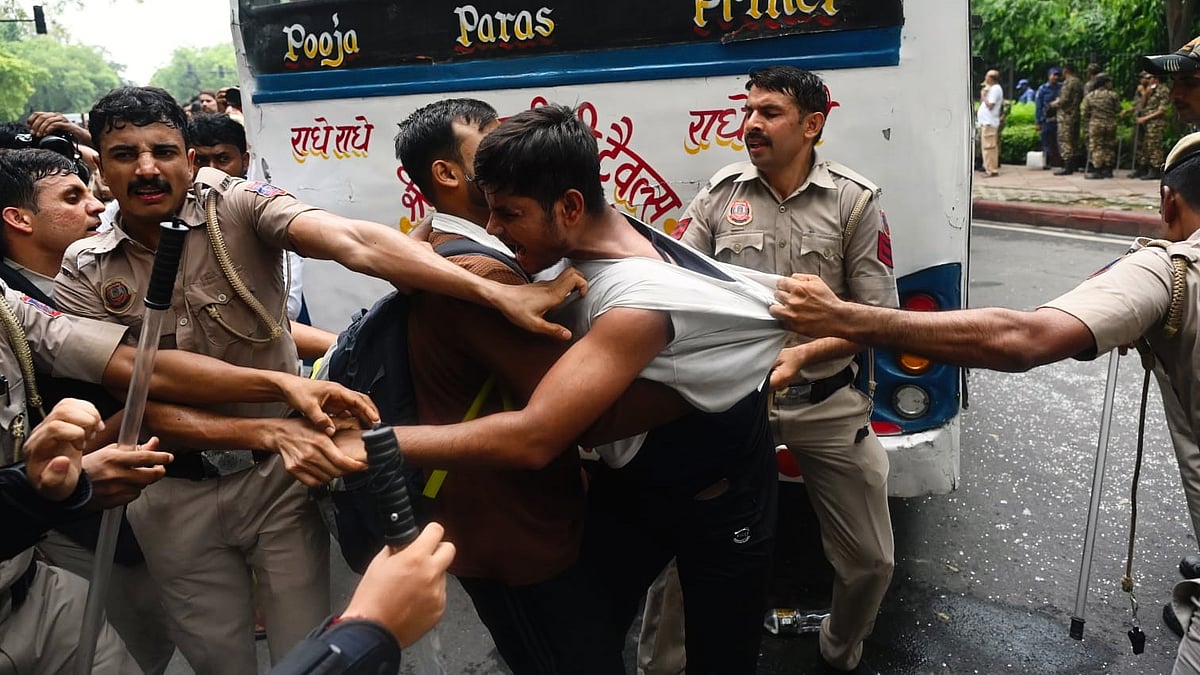
On Monday, July 20, thousands of students and activists marched towards Parliament in New Delhi to demand education reforms and the resignation of Union Education Minister Dharmendra Pradhan. The protest, organized by the Cockroach Janta Party (CJP), turned violent when demonstrators broke through barricades near Parliament Street. Police used tear gas and batons to stop the crowd, leading to injuries on both sides and the detention of over 20 protesters. The march happened on the first day of the monsoon session of Parliament.
Main Impact
The protest disrupted normal life in central Delhi, with several metro stations closed and internet services suspended in parts of the city. The clash between protesters and police highlights growing frustration among students over education policies. The event also forced authorities to deploy heavy security, including paramilitary forces, to prevent the crowd from reaching Parliament. This shows the high tension around education issues in the country.
Key Details
What Happened
The protest began at Jantar Mantar, a common protest site in Delhi, around 11:15 am. Protesters, including members of student groups like AISA, KYS, and SFI, as well as working professionals, marched towards Parliament, which is about a kilometer away. They broke through a major barricade outside the Parliament Street police station, leading to clashes with security personnel. Police fired tear gas shells and used batons to push the crowd back. Some protesters threw objects, causing injuries to several people, including police officers.
Important Numbers and Facts
More than 20 protesters were detained by police. Tear gas was fired near Gate 2 of the Central Secretariat Metro station. The Delhi Metro closed five stations: Rajiv Chowk, Janpath, Patel Chowk, Central Secretariat, and Seva Teerth. Internet services were suspended in parts of New Delhi. Prohibitory orders under Section 163 of the Bharatiya Nagarik Suraksha Sanhita (BNSS) were imposed around 1:00 pm, banning public gatherings in the area. Heavy deployment of Delhi Police and paramilitary forces was made across central Delhi.
Background and Context
The Cockroach Janta Party (CJP) is an online group that has been organizing protests for education reforms. They have been demanding changes in the education system and the resignation of Union Education Minister Dharmendra Pradhan. The march was planned to coincide with the start of the monsoon session of Parliament, which is a time when lawmakers meet to discuss and pass laws. This protest is part of a larger movement by students and activists who feel that the current education policies are not meeting their needs.
Public or Industry Reaction
The protest drew support from various student organizations and professionals. Some politicians, including Azad Samaj Party MP Chandrashekhar Azad and Samajwadi Party MP Dimple Yadav, visited the protest site to show solidarity. On social media, videos of the clashes went viral, with many users criticizing the police action. Protesters said they were not afraid of being arrested and vowed to continue their agitation until their demands are met. Police officials said the security measures were necessary to maintain law and order in a sensitive area.
What This Means Going Forward
The clash between protesters and police could lead to more tensions in the coming days. The CJP has said it will continue its agitation, which means more protests may happen. The government may face increased pressure to address education reform demands. The use of tear gas and batons could also spark debates about the right to protest in India. The closure of metro stations and suspension of internet services show how such events can disrupt daily life in the capital. It remains to be seen if the government will respond to the protesters' demands or if the situation will escalate further.
Final Take
This protest shows that many students and citizens are unhappy with the current education system. The use of force by police to stop the march raises questions about how the government handles peaceful protests. While security is important, the government must also listen to the concerns of the people. The coming days will be crucial in determining whether this movement leads to real changes in education policy or if it fades away.
Frequently Asked Questions
Why were the protesters marching to Parliament?
The protesters were marching to Parliament to demand education reforms and the resignation of Union Education Minister Dharmendra Pradhan. They wanted to draw attention to issues in the education system on the first day of the monsoon session.
What happened during the protest?
During the protest, thousands of people tried to march from Jantar Mantar to Parliament. They broke through barricades, leading to clashes with police. Police used tear gas and batons to stop the crowd. Several people were injured, and more than 20 protesters were detained.
What measures did the authorities take?
Authorities deployed heavy police and paramilitary forces across central Delhi. They closed five metro stations, suspended internet services in parts of New Delhi, and imposed prohibitory orders banning public gatherings. These measures were taken to prevent the protesters from reaching Parliament and to maintain law and order.

