
Summary
A serious dispute has broken out between the Delhi Police and the Himachal Pradesh Police. The conflict started after Delhi officers traveled to Himachal Pradesh to arrest three members of the Youth Congress. These activists were wanted in connection with a protest that took place in Delhi on February 20. The situation turned into a standoff when Himachal authorities stopped the Delhi team, accusing them of not following the correct legal procedures for an out-of-state arrest. This rare confrontation between two state police forces has caused significant tension and legal confusion.
Main Impact
The main impact of this event is a breakdown in cooperation between two different state law enforcement agencies. Usually, police forces work together when a suspect moves from one state to another. However, in this case, the Himachal Pradesh Police filed a kidnapping case against the Delhi Police team. This led to police vehicles being blocked at the state border and officers from both sides arguing over legal documents. This incident shows how a political protest can lead to a complicated legal battle that affects how police departments interact with each other.
Key Details
What Happened
The trouble began on Wednesday when a team from the Delhi Police Special Cell went to a hotel in the Rohru area of Shimla. They arrested three activists named Saurabh, Siddharth, and Arbaz. These men were allegedly involved in a "shirtless protest" at the AI Impact Summit held at Bharat Mandapam in Delhi. After making the arrests, the Delhi Police tried to drive the suspects back to the national capital.
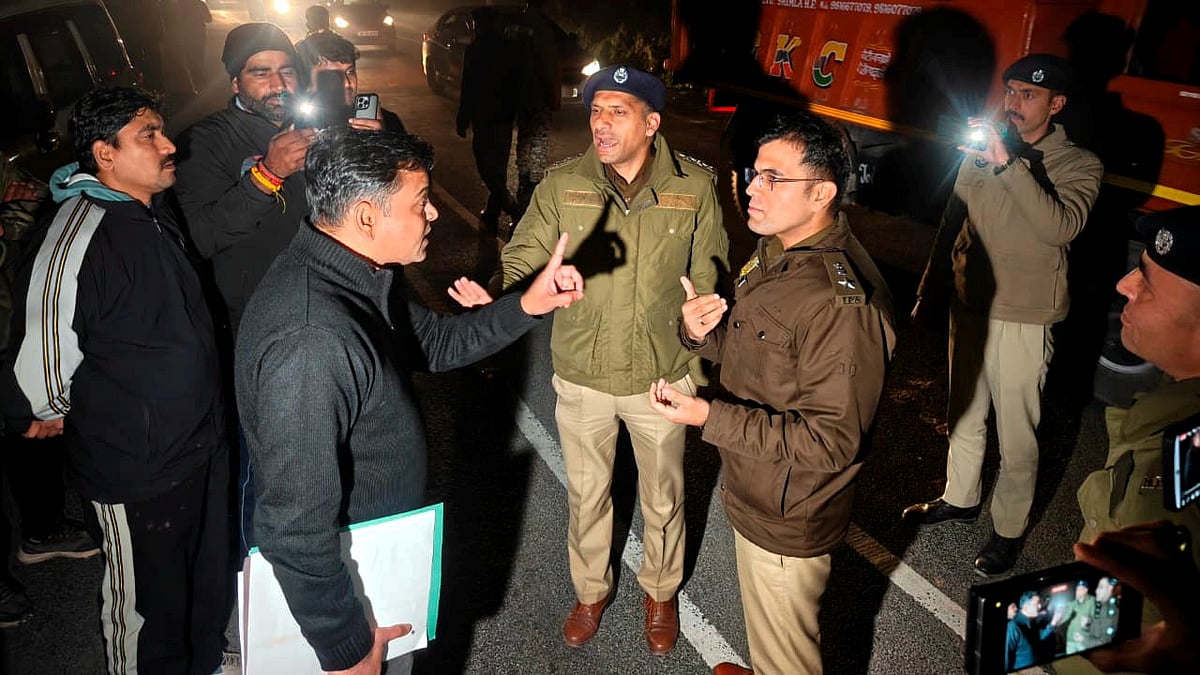
However, the Himachal Pradesh Police intercepted the Delhi team's vehicles near the Shogi border. Local officials claimed that the Delhi officers were dressed in plain clothes and failed to inform the local police station about their operation. They also alleged that the Delhi team did not show a valid "transit remand," which is a court order required to move a person under arrest across state lines. This led to a heated exchange on the road that was captured on video.
Important Numbers and Facts
The investigation into the protest has grown quickly. So far, 11 people have been arrested by the Delhi Police. This includes the president of the Indian Youth Congress, Uday Bhanu Chib, and a former spokesperson. During the confrontation at the border, around 20 people, including Delhi Police personnel, were detained or stopped by the Himachal authorities. The Delhi Police claimed they had a court order from 5:00 AM that day, but the Himachal Police registered a kidnapping case against "unknown persons" at 8:00 PM after receiving complaints from the hotel where the activists were staying.
Background and Context
This entire situation stems from a protest that happened during a high-level technology summit in Delhi. The Youth Congress members held a demonstration that the police described as disruptive. The Delhi Police have filed charges under the Bharatiya Nyaya Sanhita, which is India’s new set of criminal laws. The charges include rioting and activities that promote enmity between different groups.
The Delhi Police believe the protest was not a random event. They told a court that the action was carefully planned. They claim the group used specific tactics to hide their movements and coordinated their actions across different states. Because of this, the police are looking into who funded the protest and how it was organized. This is why they tracked the suspects all the way to a resort in Himachal Pradesh.
Public or Industry Reaction
The reaction from both sides has been firm. In videos from the scene, a Delhi Police officer can be heard saying they are legally required to present the arrested men in court within 24 hours and that the Himachal Police are interfering with their duty. On the other hand, Shimla Police officials stated they were simply following the law because they received a report of people being "forcibly taken away" without proper identification or paperwork. The Congress party has also reacted, claiming that the government is using the police to target people who ask difficult questions.
What This Means Going Forward
This event will likely lead to a review of how police forces conduct inter-state arrests. There are strict rules that require officers to notify local police when they enter another state to take someone into custody. If these rules were ignored, it could lead to legal trouble for the officers involved. The courts will now have to look at the evidence and decide if the Delhi Police followed the correct path or if the Himachal Police were right to stop them. Additionally, the Delhi Police have already denied permission for more protests in the city, citing concerns about law and order.
Final Take
When two police forces clash in public, it creates a sense of disorder and weakens the legal system. For the law to work properly, there must be clear communication and respect for regional boundaries. This standoff serves as a reminder that even in urgent investigations, following the correct legal steps is the only way to ensure justice is served without causing a conflict between states.
Frequently Asked Questions
Why did the Delhi Police go to Himachal Pradesh?
They went there to arrest three Youth Congress activists who were wanted for a protest that took place in Delhi on February 20. The suspects were staying at a hotel in the Shimla district.
What is a transit remand?
A transit remand is a legal document issued by a magistrate. It gives the police permission to move an arrested person from the place of arrest to the city where the crime was committed, especially when crossing state borders.
Why did the Himachal Police file a kidnapping case?
They filed the case because they received a complaint that unidentified men in plain clothes were taking people away from a resort. They claimed the Delhi Police did not show proper identification or legal papers before taking the activists.

