
Summary
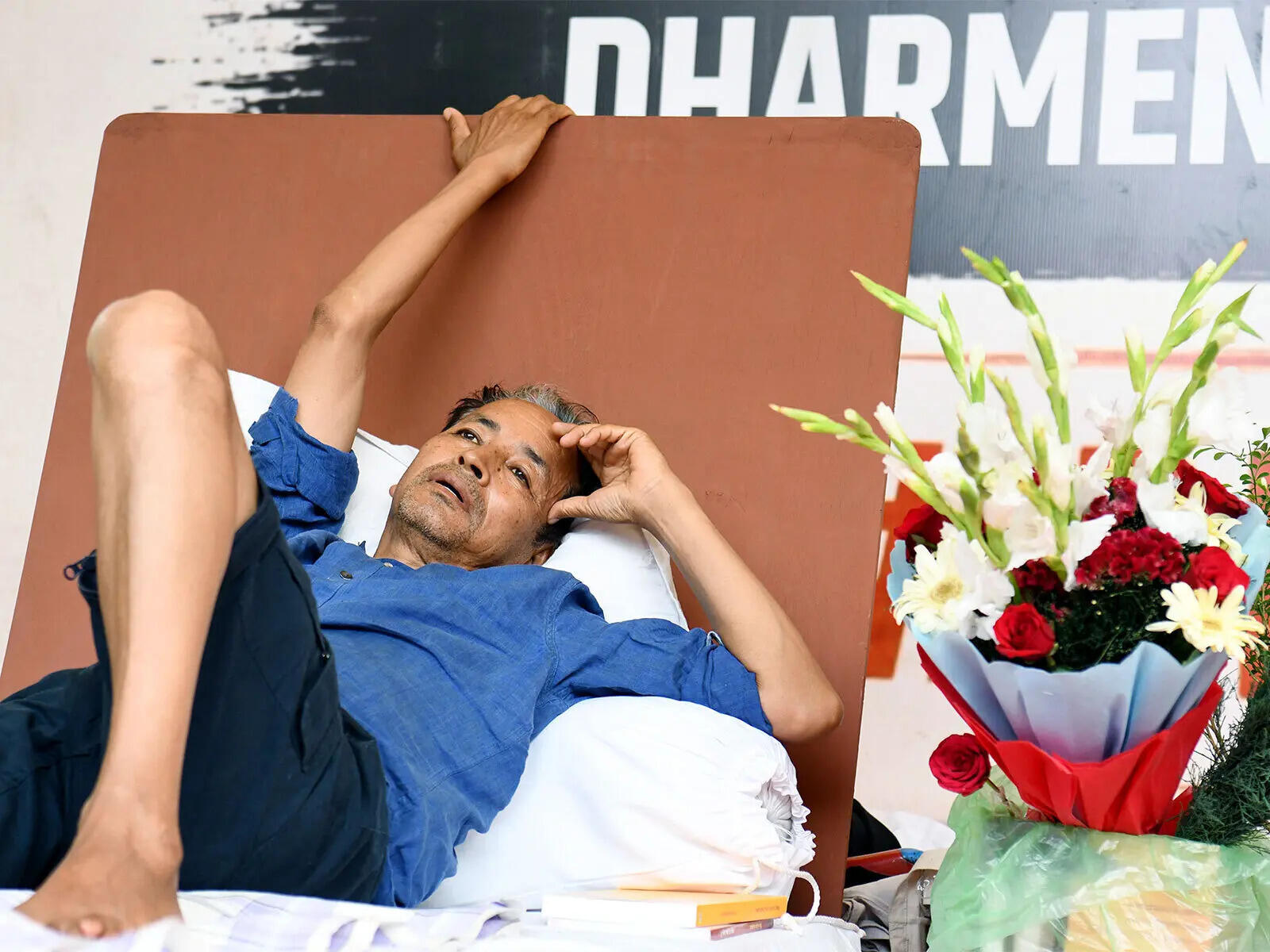
The Delhi High Court has urged the central government to regularly check the health of activist Sonam Wangchuk, who is on an indefinite hunger strike. The court noted that "life is precious" and asked both the Centre and the Ladakh administration to provide medical aid if needed. Doctors have warned that Wangchuk's health is declining and he may soon face organ damage. The activist has lost over 9 kilograms since starting his fast.
Main Impact
The court's intervention comes as Wangchuk's health continues to worsen. The High Court's statement highlights the seriousness of the situation. It also puts pressure on the government to take action. The activist's hunger strike is part of a larger protest for the rights of the people of Ladakh. The court's order could lead to better medical care for Wangchuk and possibly influence the ongoing talks between activists and the government.
Key Details
What Happened
The Delhi High Court was hearing a Public Interest Litigation (PIL) about Sonam Wangchuk's health. The court expressed concern and said that life is precious. It asked the central government and the Ladakh administration to regularly check his health. The court also said that if needed, they should provide medical help to the activist.
Important Numbers and Facts
Sonam Wangchuk has lost more than 9 kilograms since he began his indefinite hunger strike. Doctors have warned that his health could soon enter an "alarming" phase. This phase could involve damage to his organs. The activist is from Ladakh and has been fasting to demand rights for the region.
Background and Context
Sonam Wangchuk is a well-known activist from Ladakh. He started an indefinite hunger strike to push for the protection of Ladakh's special status and rights. The region has been demanding statehood and safeguards under the Sixth Schedule of the Constitution. The hunger strike is part of a larger movement by the people of Ladakh. The central government has been in talks with leaders from the region, but no final agreement has been reached yet.
Public or Industry Reaction
The court's remarks have drawn attention to Wangchuk's health condition. Supporters of the activist have expressed concern and called for immediate medical care. Many people on social media have shared messages of support. Some political leaders have also urged the government to take the activist's demands seriously. The case has brought renewed focus on the ongoing protests in Ladakh.
What This Means Going Forward
The court's order could lead to better health monitoring for Wangchuk. It also shows that the judiciary is paying close attention to the situation. The government may now face more pressure to resolve the Ladakh issue. If Wangchuk's health worsens, it could lead to more protests and public outcry. The court has set a date for the next hearing, which will likely focus on the activist's health and the progress of talks.
Final Take
The Delhi High Court's intervention is a reminder that human life is important, even in the middle of political protests. The case highlights the need for dialogue and quick action to prevent a health crisis. The coming days will be critical for both Wangchuk's health and the future of the Ladakh movement.
Frequently Asked Questions
Why is Sonam Wangchuk on a hunger strike?
Sonam Wangchuk is on an indefinite hunger strike to demand the protection of Ladakh's special status and rights. He wants the central government to grant statehood to Ladakh and provide safeguards under the Sixth Schedule of the Constitution.
What did the Delhi High Court say about his health?
The Delhi High Court said that "life is precious" and urged the central government and the Ladakh administration to regularly check Wangchuk's health. The court also asked them to provide medical aid if needed.
How much weight has Sonam Wangchuk lost?
Sonam Wangchuk has lost more than 9 kilograms since he began his hunger strike. Doctors have warned that his health could soon enter an alarming phase involving organ damage.



