
Summary
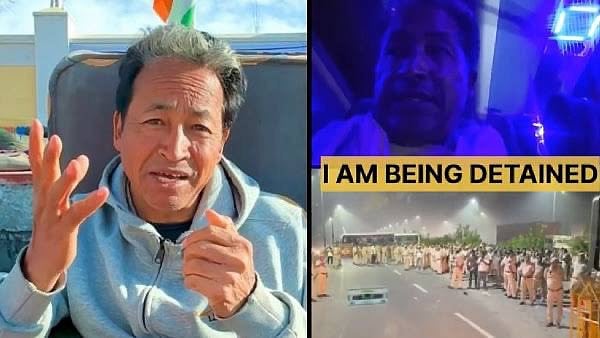
The Delhi High Court has allowed activist Sonam Wangchuk to be moved from Safdarjung Hospital to Medanta Hospital, a private facility. His wife, Gitanjali J. Angmo, welcomed the decision, calling it a victory for the family's stand and a reaffirmation of every citizen's right to choose their own doctor and hospital. She also alleged that Wangchuk's initial admission to Safdarjung was not voluntary but amounted to detention by police.
Main Impact
The court's order came after a hearing where doctors from AIIMS, Safdarjung Hospital, and Wangchuk's personal medical team agreed that he needs continuous medical monitoring due to his ongoing hunger strike. The ruling allows Wangchuk to receive care at a hospital of his choice, addressing concerns about his treatment and personal preferences. This decision is seen as a significant legal step in upholding patient rights in India.
Key Details
What Happened
On Tuesday, the Delhi High Court proposed shifting Sonam Wangchuk from Safdarjung Hospital to Medanta Hospital. A Division Bench, led by Chief Justice D.K. Upadhyaya and Justice Tejas Karia, heard an appeal from Angmo challenging an earlier order that refused to transfer Wangchuk to a private hospital. The court noted that medical experts were in agreement about the need for continuous monitoring and considered Wangchuk's own concerns about his treatment.
Important Numbers and Facts
The court order was issued in "record time," according to Angmo. The decision was based on a broad consensus among doctors from AIIMS, Safdarjung Hospital, and Wangchuk's personal medical team. The Centre raised no objection to the transfer. Wangchuk has been on a hunger strike, which requires ongoing medical attention.
Background and Context
Sonam Wangchuk, a well-known activist from Ladakh, has been on a hunger strike to demand accountability in education and other issues. His health deteriorated during the protest, leading to his admission to Safdarjung Hospital. However, his family alleged that he was taken there by police, not hospital staff, and that his stay was not voluntary. They argued that he should be allowed to choose his own doctor and hospital, a right they say is fundamental in a democracy. The case highlights tensions between government-run hospitals and patient choice, especially for activists involved in protests.
Public or Industry Reaction
Angmo expressed happiness with the court's decision, stating it vindicates the family's stand. She said, "In India, a democratic citizen has the right to choose doctors and hospitals." She also alleged that Wangchuk's treatment at Safdarjung was not medically justified, claiming he was kept in the ICU unnecessarily. The Centre did not object to the transfer, suggesting a cooperative stance. The court's observation that medical experts agreed on the need for continuous monitoring adds weight to the family's concerns.
What This Means Going Forward
The ruling sets a precedent for patient rights in India, particularly for individuals in custody or under government care. It reinforces that citizens can choose their medical providers, even when admitted to a government hospital. For Wangchuk, the transfer to Medanta Hospital may improve his access to specialized care and address his personal concerns. However, the case also raises questions about the circumstances of his initial admission and the role of police in such situations. Going forward, similar cases may rely on this judgment to argue for patient autonomy.
Final Take
The Delhi High Court's decision to allow Sonam Wangchuk's transfer to a private hospital is a clear win for patient choice and individual rights. It shows that courts can act quickly to address concerns about medical care, especially when a person's health is at risk. The case also highlights the need for transparency in how activists are treated during protests. This ruling may encourage others to assert their right to choose their own doctors and hospitals in similar situations.
Frequently Asked Questions
Why was Sonam Wangchuk moved to Medanta Hospital?
The Delhi High Court ordered the transfer because doctors from AIIMS, Safdarjung Hospital, and Wangchuk's personal team agreed he needs continuous monitoring due to his hunger strike. The court also considered Wangchuk's own concerns about his treatment at Safdarjung.
What did Wangchuk's wife say about the hospital admission?
Gitanjali J. Angmo alleged that Wangchuk's admission to Safdarjung Hospital was not voluntary but amounted to detention by police. She said the court's order vindicates the family's stand and reaffirms the right to choose doctors and hospitals.
What does this ruling mean for patient rights in India?
The ruling reinforces that citizens have the right to choose their own medical providers, even when admitted to a government hospital. It sets a precedent for patient autonomy and may influence future cases involving individuals in custody or under government care.

