
Summary
The Delhi government has officially approved a plan to provide free bus travel for transgender people across the city. This new policy allows members of the transgender community to use the "Saheli Pink" card, a system that was originally created for women. By removing travel costs, the government aims to make public transportation safer and more accessible for everyone. This move is a major step toward social inclusion and ensures that all citizens have equal access to essential public services.
Main Impact
The primary impact of this decision is the financial and social relief it provides to the transgender community in Delhi. For many individuals, the cost of daily commuting can be a heavy burden that limits their ability to find work or attend school. By making bus rides free, the government is helping to improve the mobility of a group that has historically faced many barriers. This change also helps reduce the social stigma often associated with the community by recognizing their rights as equal citizens in public spaces.
Key Details
What Happened
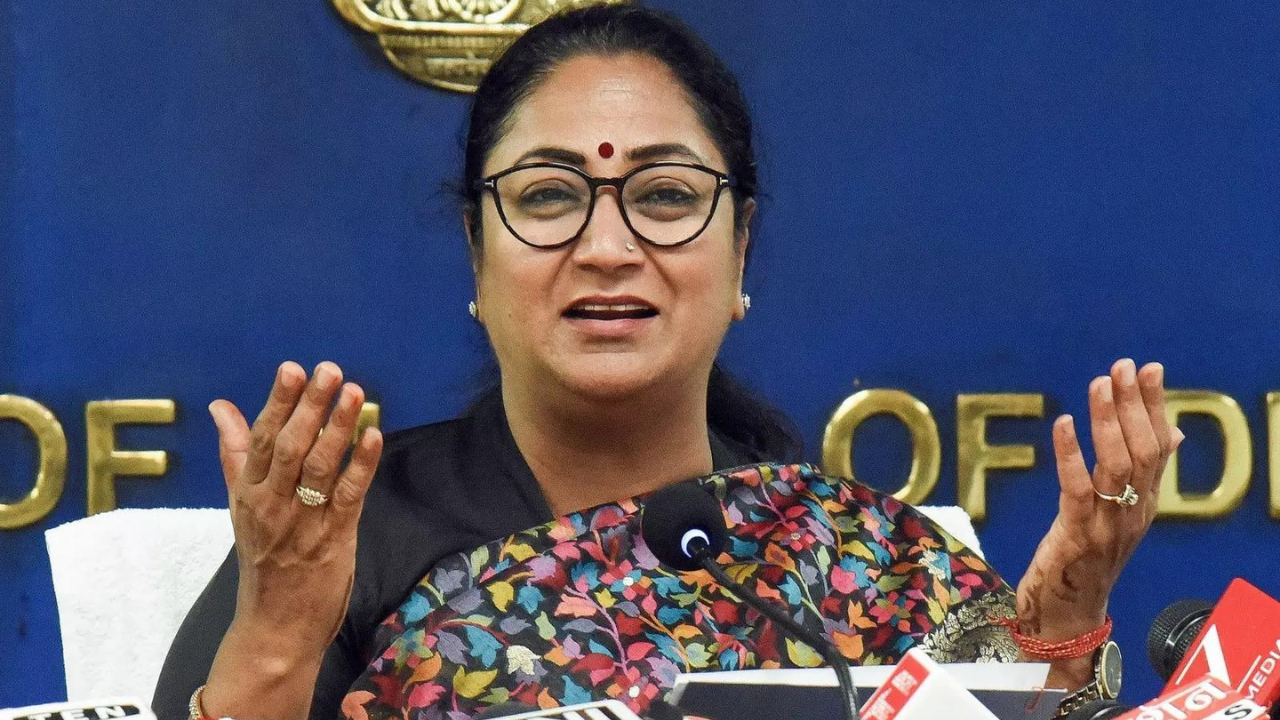
Chief Minister Rekha Gupta announced the approval of the proposal to include transgender passengers in the city’s free travel scheme. This initiative expands the existing "Saheli Pink" card program, which has been successful in helping millions of women travel without paying fares. The government believes that by opening this program to transgender residents, they can foster a more welcoming environment on public buses. The transport department has been instructed to start the necessary changes to allow for this expansion immediately.
Important Numbers and Facts
To benefit from this scheme, eligible passengers must have a valid Aadhaar card registered in Delhi. The Aadhaar card serves as the primary document to prove identity and residency. Once the registration is complete, users will receive the Saheli Pink card, which they can show to bus conductors to get a free ticket. This program covers all state-run buses, including both the standard red and green buses as well as the orange cluster buses that operate throughout the capital region.
Background and Context
Delhi has a long history of trying to improve its public transport system to help lower-income groups and marginalized communities. In 2019, the city first introduced free bus travel for women. That program was designed to increase the number of women in the workforce and make the city feel safer for them. Since then, millions of free trips have been taken, showing that the policy works well. Expanding this to the transgender community is the next logical step in making the city’s infrastructure work for everyone, regardless of their gender identity.
Public transport is more than just a way to get from one place to another; it is a tool for freedom. For many transgender people, using public transport can sometimes be a difficult experience due to harassment or lack of money. By formalizing their right to free travel, the government is providing a layer of protection and support. This policy aligns with broader national efforts to recognize the rights of transgender individuals following landmark court rulings in India over the past decade.
Public or Industry Reaction
The reaction to this announcement has been largely positive among social activists and community leaders. Many have pointed out that transportation is often the biggest hurdle for transgender people who are trying to access healthcare or legal services. Activists believe that this will encourage more people from the community to step out and participate in public life. While some critics have raised questions about the long-term cost to the city budget, supporters argue that the social benefits of inclusion far outweigh the financial costs.
What This Means Going Forward
Looking ahead, this policy could lead to further changes in how the city handles public services. The success of the Saheli Pink card expansion will likely be watched by other states in India. If it works well in Delhi, other cities might follow suit and offer similar benefits. The government may also need to train bus drivers and conductors to ensure they treat all passengers with respect and dignity. This is part of a larger effort to make the city’s infrastructure more sensitive to the needs of diverse populations.
Final Take
Providing free bus travel to the transgender community is a practical and fair policy. It addresses real-world problems like poverty and limited mobility while promoting the idea that everyone deserves to move through the city freely. By using the existing Saheli Pink card system, the government has found a simple way to implement a change that will have a lasting positive effect on many lives. It is a clear sign that the city is moving toward a more inclusive and supportive future for all its residents.
Frequently Asked Questions
Who is eligible for the free bus travel scheme in Delhi?
All women and transgender individuals who live in Delhi and possess a valid Aadhaar card are eligible for the free travel scheme through the Saheli Pink card.
Which buses can be used with the Saheli Pink card?
The card can be used on all Delhi Transport Corporation (DTC) buses and cluster buses operated by the city government.
What document is needed to apply for the card?
The primary document required is an Aadhaar card that shows the person is a resident of Delhi. This is used to verify identity and eligibility for the program.



