
Summary
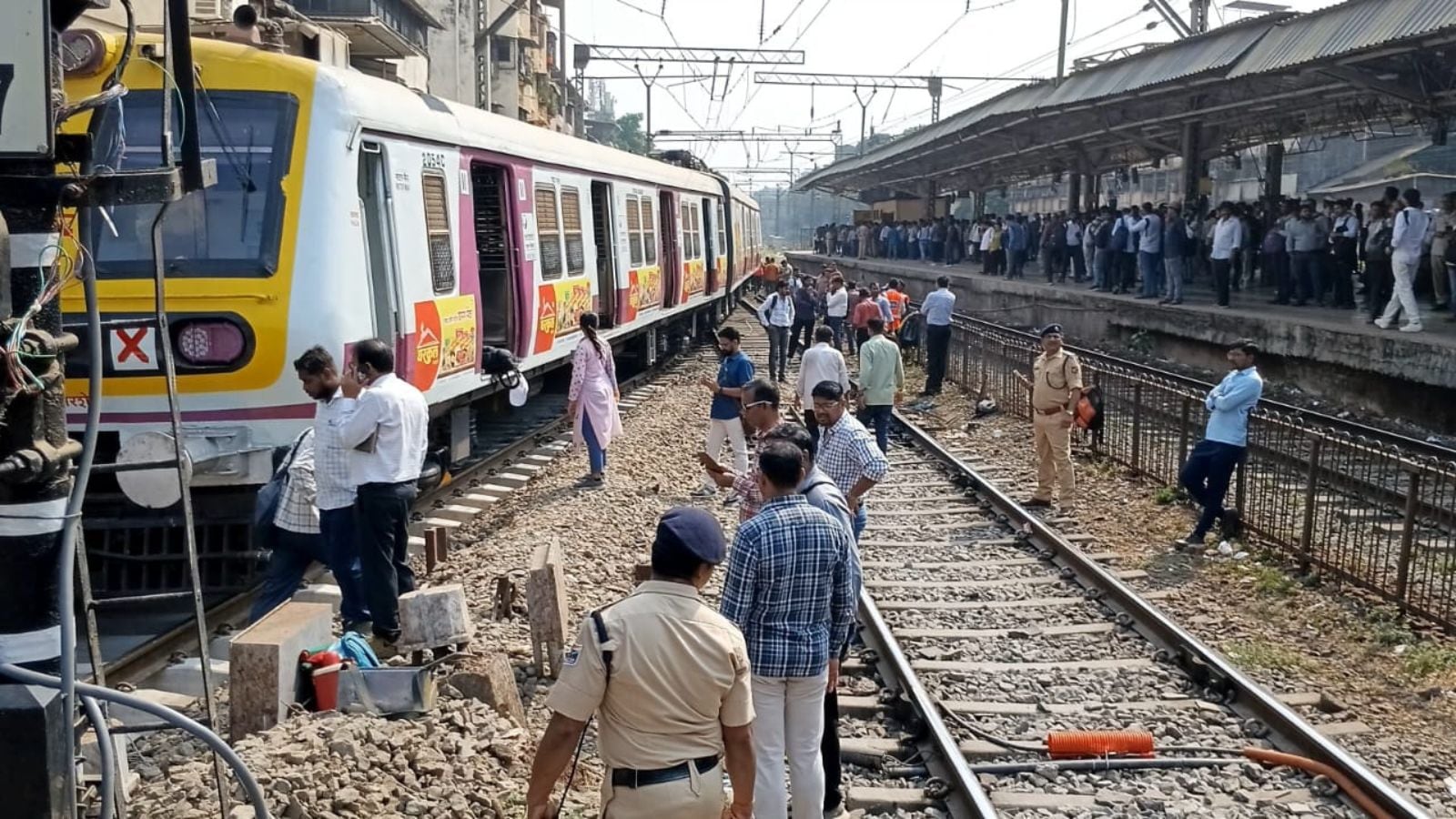
On the morning of April 20, 2026, a local train derailed near Dombivli station, causing significant travel disruptions for thousands of commuters. The incident involved an empty train that was not carrying any passengers at the time. Although no one was injured, the derailment happened during the busiest part of the morning, leading to massive crowds and long delays across the Central Railway network. Railway officials worked quickly to manage the situation, but the impact was felt by travelers throughout the region.
Main Impact
The primary impact of the derailment was the immediate halt of train services on one of Mumbai’s busiest transit routes. As the train cars blocked the tracks near a major platform, other trains could not move forward. This led to a huge buildup of people at Dombivli station and other nearby stops. Within an hour, platforms were packed with commuters who were unable to reach their workplaces or schools. The lack of moving trains meant that thousands of people were left waiting in cramped conditions, searching for any available information about when services would resume.
Key Details
What Happened
The incident took place at approximately 8:09 AM. An empty local train, known as a rake, was moving from the Kalwa car shed toward Kalyan station. As it approached Dombivli, three of its coaches slipped off the tracks. This happened near Platform 1, a critical area for trains heading away from the main city. Because the train was empty and moving at a slow speed for maintenance purposes, there were no casualties or injuries reported among the railway staff or the public.
Important Numbers and Facts
The derailment caused a ripple effect across the entire Central Line. At least three local train services were stopped immediately after the accident. Many other trains were delayed by 30 to 45 minutes as the railway tried to reroute traffic. Platforms 1 and 2 at Dombivli station were temporarily closed to allow technical teams to work safely. To keep some traffic moving, officials diverted "slow" trains to the "fast" tracks between Diva and Kalyan, which helped prevent a total shutdown of the line.
Background and Context
The Central Railway line is a vital part of daily life for millions of people in and around Mumbai. It connects the central business districts with distant suburbs like Thane, Kalyan, and beyond. During the morning "peak hours," trains run every few minutes to handle the massive number of office-goers. When even a single train has a problem, it can disrupt the schedule for the rest of the day. Derailments are particularly serious because they require heavy machinery to lift the train back onto the tracks, and the tracks themselves must be inspected for damage before they can be used again.
Public or Industry Reaction
Commuters expressed a mix of frustration and worry as they were stranded on platforms. Many people used their phones to record videos of the derailed coaches and the growing crowds, sharing them on social media to warn others. Some travelers tried to leave the station to find buses or auto-rickshaws, but these alternative modes of transport were also quickly overwhelmed by the sudden surge in demand. Central Railway officials issued statements through their official channels, urging passengers to stay patient while the restoration teams worked. Technical experts and senior railway managers arrived at the site shortly after the incident to oversee the repair work.
What This Means Going Forward
Railway authorities have ordered a formal internal inquiry to determine exactly why the train derailed. Investigators will look at the condition of the tracks, the wheels of the train, and the speed at which it was traveling. The goal is to prevent similar accidents from happening in the future. In the short term, the focus remains on finishing repairs to the tracks and overhead wires near Dombivli. Commuters should expect minor delays for the next day or two as the system returns to its normal rhythm. This event serves as a reminder of the constant need for maintenance on such a heavily used railway system.
Final Take
The derailment at Dombivli station highlights how fragile the city's transport network can be during the morning rush. While it is fortunate that no one was hurt, the massive crowds and travel delays show the high stakes of railway safety. Efficiently moving millions of people every day requires perfect coordination, and any small error can lead to hours of chaos for the public. Moving forward, the focus must remain on upgrading infrastructure to ensure that the "lifeline" of the city stays reliable and safe for everyone.
Frequently Asked Questions
Was anyone hurt in the Dombivli train derailment?
No, there were no injuries. The train was empty and was being moved from a maintenance shed to a station when the accident happened.
How long were the train delays?
Most commuters experienced delays ranging from 30 to 45 minutes. Some services were cancelled, and others were diverted to different tracks to keep the line moving.
Are the tracks at Dombivli station open now?
Railway teams worked through the morning to clear the derailed coaches. While some platforms were closed for several hours, officials have been working to restore full service as quickly as possible.



