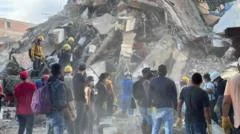
The ground shook without warning, and within seconds, buildings folded into piles of concrete and dust. At least 180 people are dead after the earthquake in Colombia, and rescue crews are still digging through the wreckage — hoping to reach the next survivor before the rubble grows quiet.
What is known about the Colombia earthquake so far
Rescuers are scrambling for survivors, with the reported death toll at 180. Teams are working to free people trapped in rubble and inside damaged buildings.
The epicentre, magnitude and affected cities have not been confirmed in the information available so far. This is a developing story.
Aftershocks on Tuesday put the rescue at greater risk
Colombia experienced a number of aftershocks on Tuesday, even as the search for survivors continued.
Each tremor is a fresh danger. Already weakened walls can collapse again, forcing rescue teams to pause and pull back. For people still trapped, every pause costs precious time.
Behind the death toll: families waiting at the debris
Behind the number 180 are families standing near collapsed buildings, listening for sounds of life beneath the concrete.
In earthquakes, the first hours and days are critical. The longer someone remains trapped, the lower the chances of survival. So far, no confirmed figure is available for how many people remain missing.
Official response: still awaiting confirmation
No official government or emergency agency statement has been confirmed in the reporting available for this article. Verification is expected to come from Colombian authorities as rescue operations continue.
Why the death toll is likely to change
Early earthquake death tolls are rarely final. As crews clear rubble and reach buildings that have not yet been searched, the confirmed number of dead tends to rise.
Until authorities release a full assessment, the 180 figure should be treated as a minimum, not a final count.
Confirmed facts vs what remains unclear
Confirmed in available reporting: an earthquake struck Colombia, at least 180 people are dead, survivors are trapped under rubble, rescue work is ongoing, and aftershocks hit on Tuesday.
Not yet confirmed: the epicentre, magnitude, affected cities, number of injured, number of missing, and any official statement.
A familiar pattern in major earthquakes worldwide
History shows a repeated sequence in large quakes: heavy damage, a frantic rescue phase, then a slow revision of casualty figures as rubble is cleared. Aftershocks are also common, often continuing for days.
None of this lessens the urgency. It simply explains why early reports from any earthquake remain incomplete.
What readers should do now
Follow updates only from established news organisations and official emergency agencies. In major disasters, unverified videos and casualty numbers spread quickly on social media — treat them with caution.
What happens next
The rescue window is the immediate priority. Search teams will keep working through damaged buildings, pausing when aftershocks make conditions unsafe.
Updated casualty figures and official details are expected as authorities release verified information. This article will be revised as those details arrive.
Our Take
In the first hours of any disaster, information is fragmentary and the emotional weight is enormous. What matters most right now is speed, safety and transparency.
Rescuers are working against both time and trembling ground. The numbers will be refined, but the urgency of the search will not change.
Frequently Asked Questions
How many people died in the Colombia earthquake?
At least 180 people have died, according to the current headline report. The toll may increase as rescue operations continue and more affected areas are reached.
Are aftershocks still happening in Colombia?
The available reporting says Colombia experienced a number of aftershocks on Tuesday. Aftershocks can continue for days or even weeks after a major earthquake, so further tremors remain possible.
Why do aftershocks make rescue work so dangerous?
Aftershocks can cause damaged buildings to collapse again, putting both trapped survivors and rescue workers at risk. Teams may need to pause operations during tremors, which slows the search and reduces the survival window.
Where exactly did the earthquake hit in Colombia?
The precise epicentre and affected cities have not been confirmed in the information currently available. This is a developing story, and details are expected to emerge as officials release verified updates.