
Summary
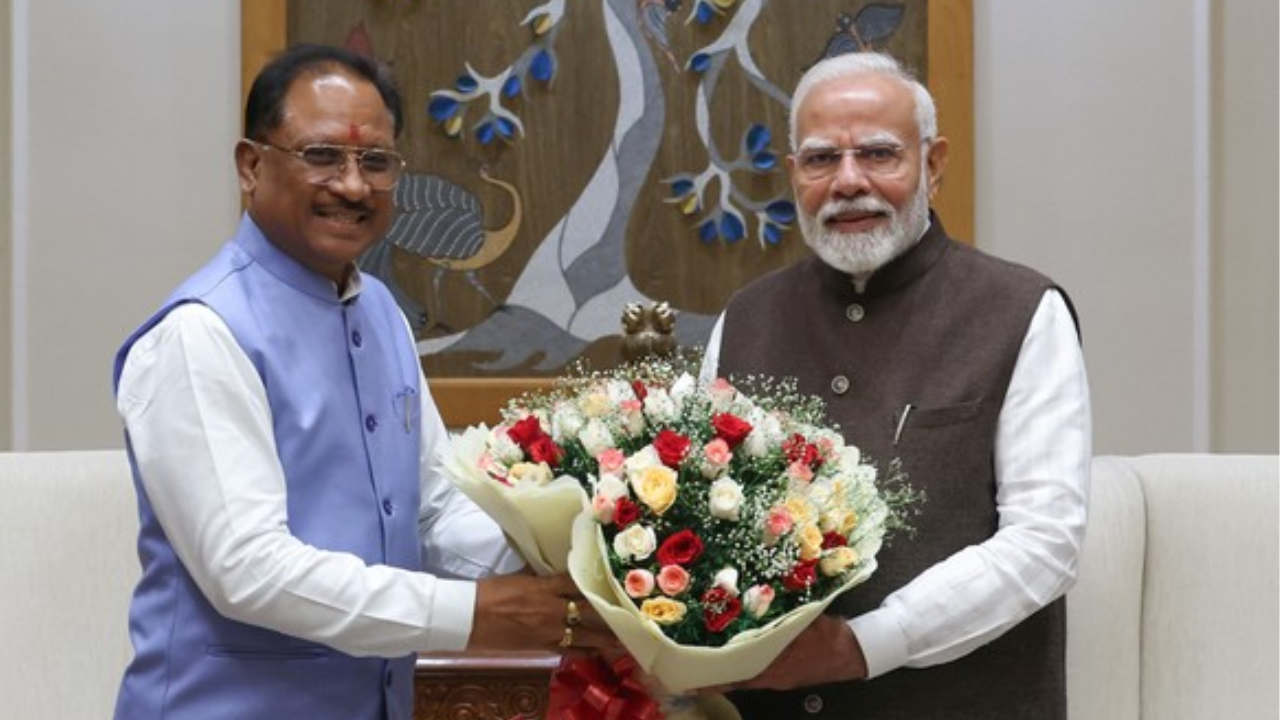
Chhattisgarh Chief Minister Vishnu Deo Sai is traveling to New Delhi for a high-level meeting with Prime Minister Narendra Modi and Home Minister Amit Shah. The main goal of this visit is to discuss a new plan for growth in areas that were once controlled by Maoist rebels. As the government gains more control over these regions, the focus is shifting from security operations to building roads, schools, and hospitals. This meeting is a key step in bringing long-term peace and modern facilities to the tribal heartland of the state.
Main Impact
The primary impact of this meeting is the transition of Chhattisgarh into a "post-Maoist" era of development. For decades, many parts of the state, especially in the Bastar region, have been cut off from basic government services due to violence. By creating a clear roadmap for growth, the state government aims to ensure that peace is followed by visible progress. This shift is expected to bring more investment into the state, improve the lives of tribal communities, and reduce the influence of rebel groups by providing better opportunities for the youth.
Key Details
What Happened
Chief Minister Vishnu Deo Sai’s visit to the capital is focused on securing support from the central government for several new projects. The Chief Minister plans to present a detailed report on the current security situation and how it has improved over the last year. With the help of central forces, the state has managed to set up new security camps in areas that were previously unreachable. Now, the government wants to use these camps as hubs for providing healthcare, education, and electricity to nearby villages.
Important Numbers and Facts
The state government has been working on a special scheme called "Niyati Nellar," which means "Your Village" in the local language. Under this plan, the government aims to provide 25 basic services to villages located near security camps. These services include clean drinking water, ration cards, and banking facilities. The Chief Minister is expected to ask for more financial help to speed up the construction of over 1,000 kilometers of roads in sensitive zones. Additionally, the meeting will cover the progress of the "Aspirational Districts" program, which monitors growth in the most underdeveloped parts of India.
Background and Context
To understand why this meeting is important, it is necessary to look at the history of Chhattisgarh. For over thirty years, the state has struggled with an armed rebellion known as Maoism or Naxalism. These groups often blocked the construction of roads and schools to keep the government out of their territory. This left many tribal people without access to doctors or proper jobs. In recent years, the government has taken a dual approach: using police force to stop violence while simultaneously trying to win the trust of the people through development. Since the current state government took office, there has been a renewed push to end the conflict once and for all by focusing on the needs of the local population.
Public or Industry Reaction
Local leaders and social workers in the Bastar region have expressed cautious hope about these developments. Many residents are happy to see new roads being built, as it makes it easier to reach markets and hospitals. However, some experts point out that development must be done carefully to protect the culture and land rights of the tribal people. Industry experts believe that if the state becomes safer, it will attract more companies interested in food processing and mining, which could create thousands of local jobs. The general feeling is that while security has improved, the real test will be how quickly the government can deliver on its promises of better infrastructure.
What This Means Going Forward
In the coming months, we can expect to see a surge in construction activity in southern Chhattisgarh. The central government is likely to approve more funds for mobile towers and internet connectivity to bridge the digital gap in tribal areas. There will also be a focus on "surrender and rehabilitation" policies, encouraging rebels to lay down their arms and join mainstream society. If this roadmap is successful, it could serve as a model for other states in India that are dealing with similar internal security challenges. The success of this plan depends on the continued cooperation between the state and the central government.
Final Take
The meeting between Chief Minister Sai and the top leaders in Delhi shows a strong commitment to changing the story of Chhattisgarh. By moving away from a focus on conflict and toward a future of growth, the government is trying to fix long-standing problems. While challenges remain, the focus on basic needs like education and health is the right way to ensure that the state moves toward lasting stability and prosperity for all its citizens.
Frequently Asked Questions
Why is the Chhattisgarh CM meeting the Prime Minister?
The Chief Minister is meeting the Prime Minister to discuss a development plan for areas that were previously affected by Maoist violence and to ask for central support for new infrastructure projects.
What is the "Niyati Nellar" scheme?
It is a state government program aimed at providing 25 basic services, such as healthcare and clean water, to remote villages located near security camps in tribal regions.
What are the main goals of the post-Maoist growth roadmap?
The main goals are to build better roads, improve schools and hospitals, create jobs for local youth, and ensure that government services reach every citizen in the state.



