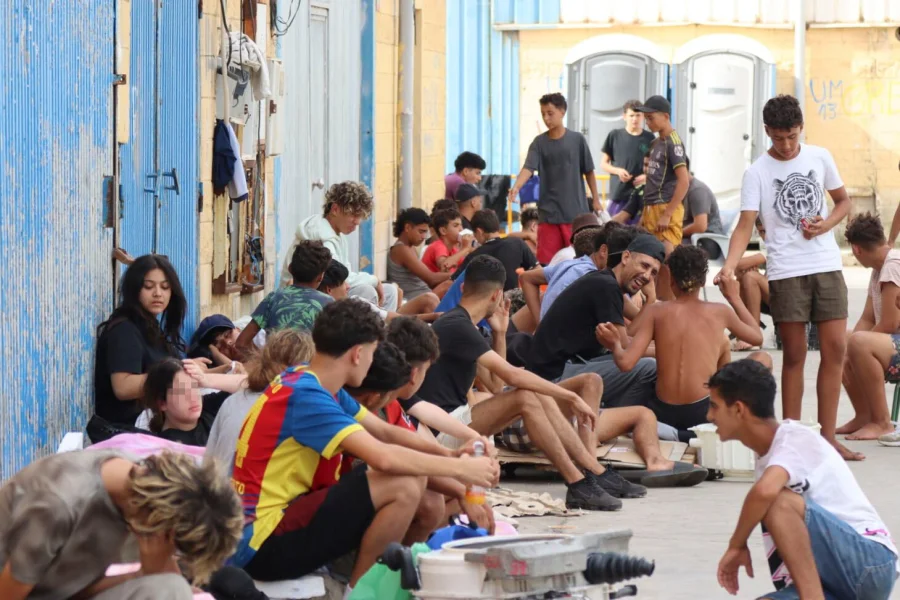
Ceuta's migrant emergency has become a war over narratives — and Spain's foreign minister has chosen his target. José Manuel Albares told Spanish public television TVE that disinformation, not the border itself, was the "key element" behind Thursday's mass entry of migrants into the North African enclave.
Albares: a coordinated "reactionary international" spread false news
Albares described a synchronized campaign. "There was a synchronization of the reactionary international that very quickly came out to amplify what was happening and also to spread lies and false news about the Schengen area," he said. It is one of the strongest official attempts yet to frame the Ceuta migrant crisis as an information-war event rather than a routine border emergency.
Why Madrid is calling this an information war
The framing shifts responsibility. If disinformation triggered the surge, the solution lies in countering false narratives and securing European cooperation — not only reinforcing fences. Albares' choice of words also signals frustration with actors he believes exploited the moment to undermine trust in Europe's open-border system.
How the Ceuta crisis developed
Ceuta, a Spanish territory on Africa's mainland coast, has long been a flashpoint for migration pressure. According to Albares, Thursday's entry was not spontaneous but followed a burst of amplified messaging. He offered no detail on the origin of those messages, and the full sequence of events has not been independently verified. Separately, Spain's Audiencia Nacional has directed a formal request to the National Police related to the situation — its precise scope has not been disclosed.
Who is affected by the Ceuta border surge
For migrants, the immediate consequences remain uncertain: legal status, living conditions and next steps depend on procedures that Spanish and Moroccan authorities have not detailed. For Spanish officials, the episode tests public confidence in border control. For the European Union, it reopens a familiar fault line — which member state carries the burden when an external border buckles.