
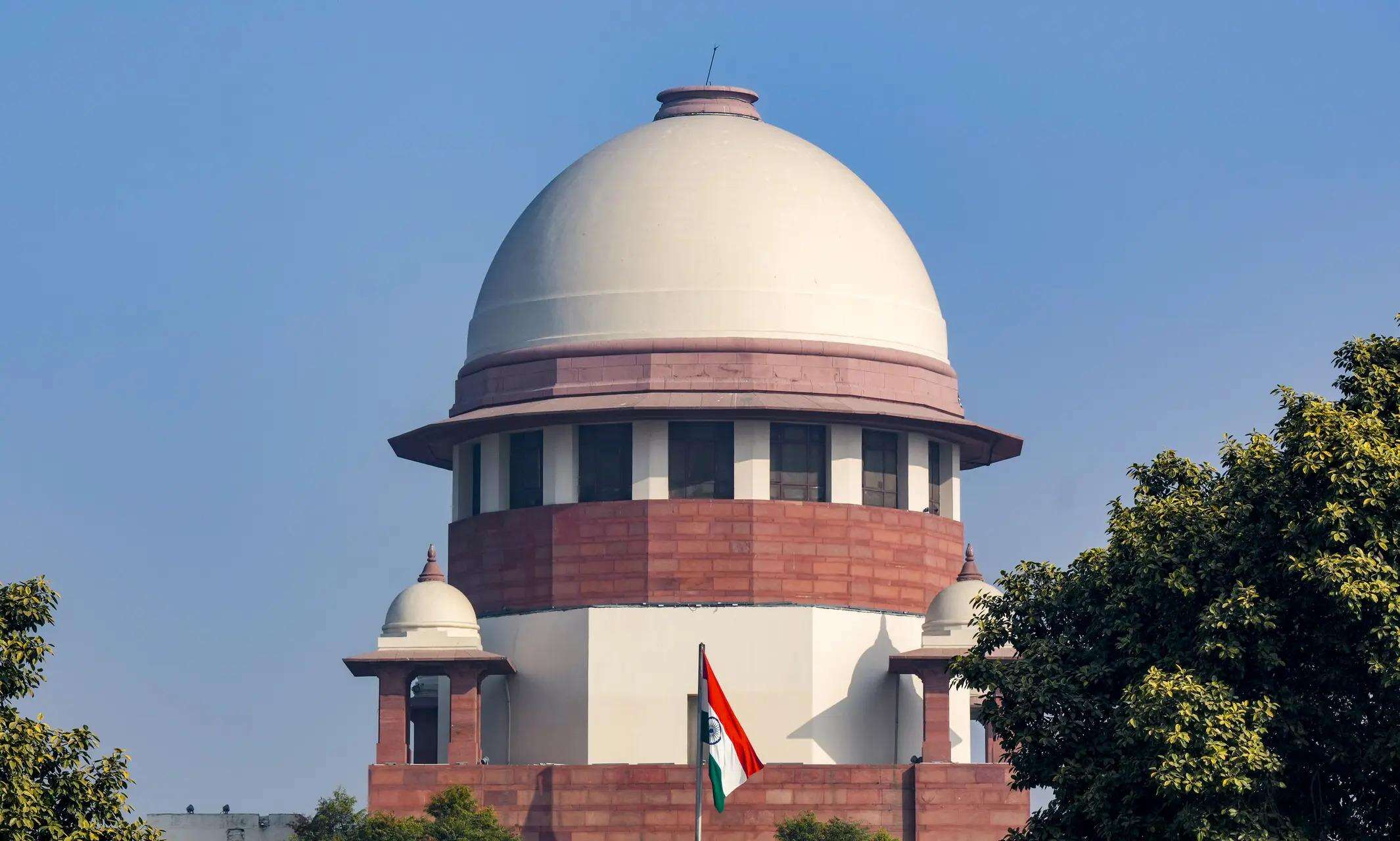
Summary
The Supreme Court of India has refused to stop the Central Board of Secondary Education (CBSE) from implementing its three-language policy for the 2026-27 academic year. The court will hear detailed arguments against the policy next week. Petitioners had asked for a stay, saying the policy was rushed and schools lacked resources. The court noted that learning languages is never a waste and asked the Union government to respond within ten days.
Main Impact
The Supreme Court's decision means the CBSE's three-language policy will remain in place for now. Schools under the CBSE board must continue with the policy for the upcoming academic year. This affects millions of students across India. The court's refusal to grant a stay gives the government time to explain its position. However, the final outcome will depend on the detailed hearing scheduled for next week.
Key Details
What Happened
A bench of the Supreme Court heard a petition challenging the CBSE's three-language policy. The petitioners argued that the policy was introduced without proper consultation. They also said many schools, especially in rural areas, do not have enough teachers to teach three languages. The court did not agree to stop the policy immediately. Instead, it said it will hear the full case next week.
Important Numbers and Facts
The policy applies to all CBSE-affiliated schools for the 2026-27 session. The court has given the Union government ten days to file a written response. The next hearing is scheduled for next week. The petitioners include parents and educational groups who claim the policy adds burden on students.
Background and Context
The three-language policy is part of India's National Education Policy (NEP) 2020. It requires students to learn three languages in school. Usually, this includes Hindi, English, and a regional language. The policy aims to promote multilingualism and national unity. However, critics say it is difficult to implement in states where Hindi is not widely spoken. Some states have opposed the policy, saying it favors Hindi over other languages.
Public or Industry Reaction
Parents and teacher groups have mixed reactions. Some support the policy, saying it helps students learn more languages. Others worry about the lack of trained teachers and teaching materials. The petitioners in court argued that the policy was introduced without enough preparation. The court, however, noted that learning a language is always useful. The government has not yet commented on the court's decision.
What This Means Going Forward
The Supreme Court will hear the full case next week. If the court finds problems with the policy, it could order changes or a delay. For now, schools must follow the policy. The government has time to submit its response. This case could set a precedent for how language policies are implemented in Indian schools. Parents and schools should watch for the next hearing.
Final Take
The Supreme Court's refusal to stay the three-language policy shows it sees value in language learning. But the real test will come next week when the court hears detailed arguments. The outcome will affect millions of students. For now, the policy moves forward, but the debate is far from over.
Frequently Asked Questions
What is the CBSE three-language policy?
The CBSE three-language policy requires students in CBSE-affiliated schools to learn three languages. Usually, these are Hindi, English, and a regional language. The policy is part of the National Education Policy 2020.
Why did the Supreme Court refuse to stay the policy?
The court said learning a language is never a waste. It agreed to hear the full case next week but did not see a reason to stop the policy immediately. The court also asked the government to respond within ten days.
What happens next for students and schools?
For now, schools must continue with the three-language policy for the 2026-27 session. The Supreme Court will hear the case next week. If the court finds issues, it may order changes. Parents and schools should stay updated on the next hearing.



