
Summary
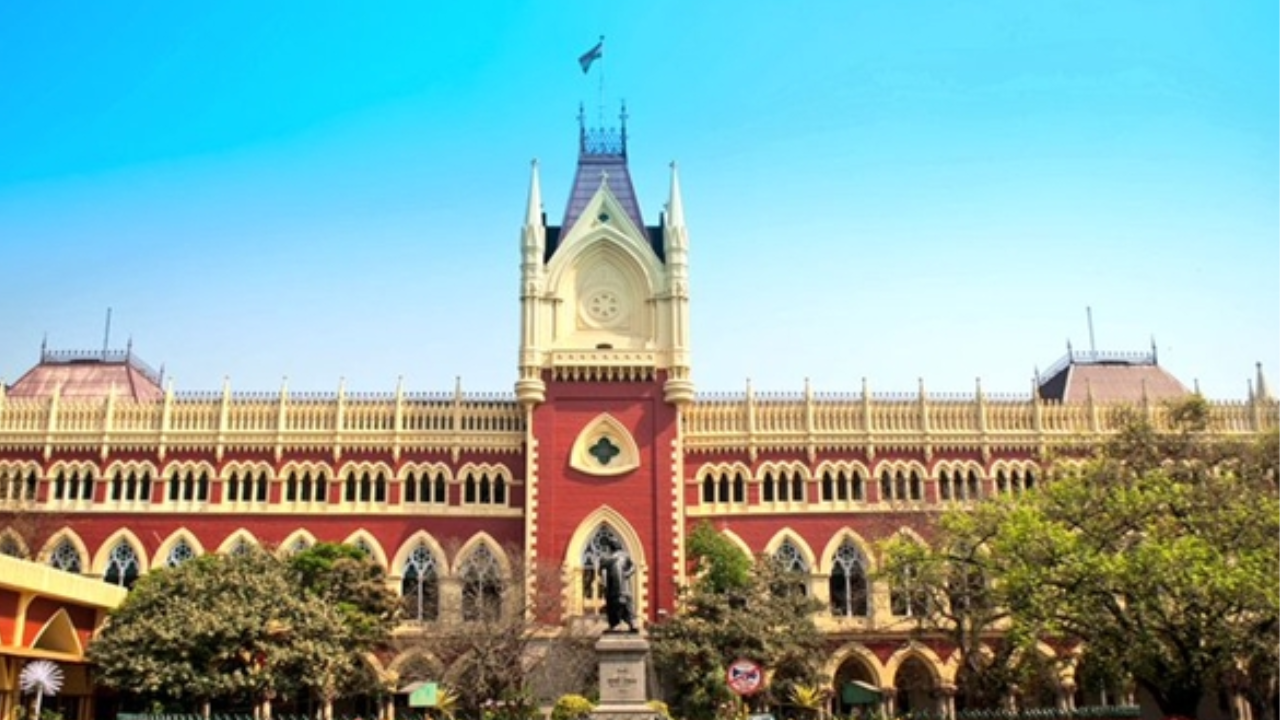
The Calcutta High Court has rejected a request from the Trinamool Congress (TMC) faction led by West Bengal Chief Minister Mamata Banerjee to access three party bank accounts worth Rs 440 crore. These accounts were frozen by the Enforcement Directorate (ED) as part of a money laundering investigation. The court stated there is no prima facie case to grant interim relief, meaning the accounts will remain blocked for now. The next hearing in the case is scheduled for August 26.
Main Impact
The immediate effect of this court order is that the TMC faction cannot use the frozen funds for party operations or election expenses. This decision strengthens the ED's position in its ongoing probe into alleged financial irregularities linked to the party. The ruling also sets a legal precedent, showing that courts are not easily granting access to assets under investigation without strong evidence from the petitioners.
Key Details
What Happened
The Mamata Banerjee-led TMC faction had approached the Calcutta High Court seeking permission to operate three bank accounts that were frozen by the ED. The party argued that the freeze was hurting its ability to function and pay for daily expenses. However, the court found no immediate legal basis to allow access to the funds.
Important Numbers and Facts
The frozen accounts collectively hold Rs 440 crore. The ED has alleged that these funds are linked to dishonest financial transactions and money laundering. The court's decision was made on July 20, 2026, and the next hearing is set for August 26, 2026.
Background and Context
The Enforcement Directorate is a federal agency that investigates financial crimes like money laundering. In this case, the ED claims the TMC accounts were used for illegal activities. The party has denied these allegations. The legal battle is part of a larger political conflict between the TMC and the central government, which is led by the Bharatiya Janata Party (BJP). Such disputes over frozen accounts are not uncommon in Indian politics when parties face corruption probes.
Public or Industry Reaction
The TMC faction expressed disappointment with the court's decision. Party leaders said they will continue to fight the case legally. Political analysts note that this ruling could affect the party's financial planning ahead of upcoming elections. The ED has not commented publicly on the court order, but the agency is expected to continue its investigation.
What This Means Going Forward
The TMC faction now has limited options. It can appeal the decision to a higher court or wait for the next hearing on August 26 to present stronger arguments. The frozen accounts will remain out of reach until the court decides otherwise. This case also highlights the growing legal challenges faced by political parties in India regarding financial transparency. The outcome could influence how other parties manage their funds and respond to ED investigations.
Final Take
The Calcutta High Court's decision is a clear setback for the Mamata Banerjee-led TMC faction. With no interim relief granted, the party must now prepare for a longer legal fight. The case underscores the importance of financial compliance for political organizations in India.
Frequently Asked Questions
Why did the court reject the TMC's plea?
The court found no prima facie case, meaning the petitioners did not provide enough initial evidence to justify accessing the frozen accounts.
What happens to the Rs 440 crore now?
The money remains frozen in the bank accounts. The TMC cannot use it until the court gives a final decision or the ED completes its investigation.
When is the next hearing?
The next hearing in the Calcutta High Court is scheduled for August 26, 2026.



