
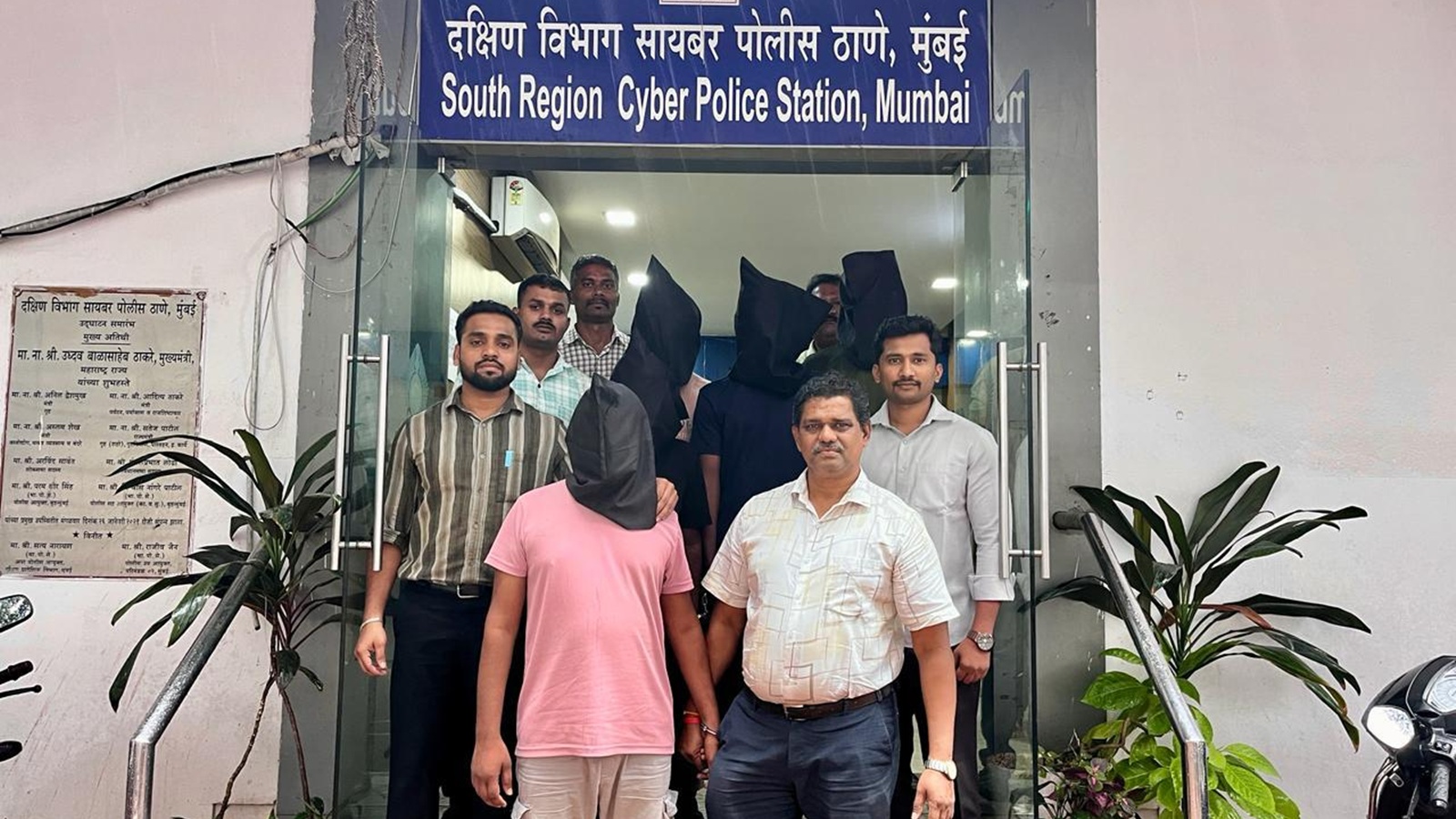
Summary
A new type of cyber fraud called the "Boss Scam" has hit India, where criminals posed as a fake senior executive and tricked a company into transferring Rs 10 crore through 63 separate transactions. The scam involved impersonating the company's managing director using a fake email account and a cloned voice. This case highlights a growing threat where fraudsters use simple tricks to steal large sums from businesses.
Main Impact
The scam caused a direct financial loss of Rs 10 crore for the targeted company. More importantly, it shows how easily criminals can bypass basic security measures by pretending to be a high-ranking boss. The fraud was only discovered when the real managing director questioned the unusual number of payments. This incident has raised alarms across corporate India, forcing many firms to review their payment approval processes.
Key Details
What Happened
The fraud began when a fake email, made to look like it came from the company's managing director, was sent to the finance department. The email asked for urgent payments to several new vendors. The finance team, believing the request was real, started processing the payments. Over several days, they made 63 separate transfers to different bank accounts. The criminals also used voice cloning technology to make a phone call that sounded like the real boss, confirming the payments.
Important Numbers and Facts
The total amount stolen was Rs 10 crore. The money was moved through 63 different transactions to avoid raising suspicion. The scam took place over a period of about two weeks. The fraud was detected when the real managing director saw the payment list and asked why so many new vendors were being paid. The fake email address was almost identical to the real one, with only one letter changed. The voice clone was created using a short audio clip of the real boss speaking, likely taken from a public video or meeting.
Background and Context
This type of fraud is known as a "Boss Scam" or "CEO Fraud." It is a form of social engineering where criminals target employees who handle money. Instead of hacking computer systems, they trick people into making transfers. The scam works because employees are trained to follow orders from senior leaders without question. In India, such scams have become more common as companies move to digital payments. The use of voice cloning adds a new layer of danger, making it harder for victims to tell if the request is real.
Public or Industry Reaction
The news of this scam has caused concern among business leaders and cybersecurity experts. Many companies are now sending alerts to their finance teams about the dangers of verifying payment requests through email or phone alone. Industry groups have called for stricter rules, such as requiring two people to approve any large transfer. Some experts say that companies need to train staff to always confirm unusual requests in person or through a known phone number. The police have started an investigation and are trying to trace the money, but recovering it is difficult because it was moved through many accounts.
What This Means Going Forward
This scam shows that old security methods are no longer enough. Companies must adopt new rules, like using a separate app or system to approve payments. Voice cloning technology is becoming cheaper and easier to use, so more such scams are likely. Businesses of all sizes need to educate their employees about these tricks. The simplest defense is to always double-check any request for money, especially if it comes from a senior person. A quick phone call to a known number or a face-to-face meeting can stop a fraud before it happens.
Final Take
The "Boss Scam" is a clear warning that trust alone cannot protect a company's money. Criminals are using simple but clever methods to steal millions. The best protection is a culture of verification, where every payment request is checked, no matter who asks for it. This case should push every business to update its security practices before it becomes the next victim.
Frequently Asked Questions
How does the Boss Scam work?
Scammers send a fake email that looks like it comes from a company's top boss, asking for urgent payments. They may also use voice cloning to make a phone call that sounds like the real boss. The employee, thinking the request is real, transfers money to accounts controlled by the criminals.
How can companies protect themselves from this scam?
Companies should set up a two-step approval process for all payments. Employees must be trained to verify any unusual request by calling the boss on a known phone number or meeting them in person. Using a separate app for payment approvals can also help prevent fraud.
What should I do if I think my company has been scammed?
Stop all payments immediately. Contact your bank to try to freeze the transfers. Report the fraud to the local police and to the cyber crime department. Save all emails, call recordings, and transaction details as evidence. Act quickly because the faster you report it, the better the chance of recovering the money.



