
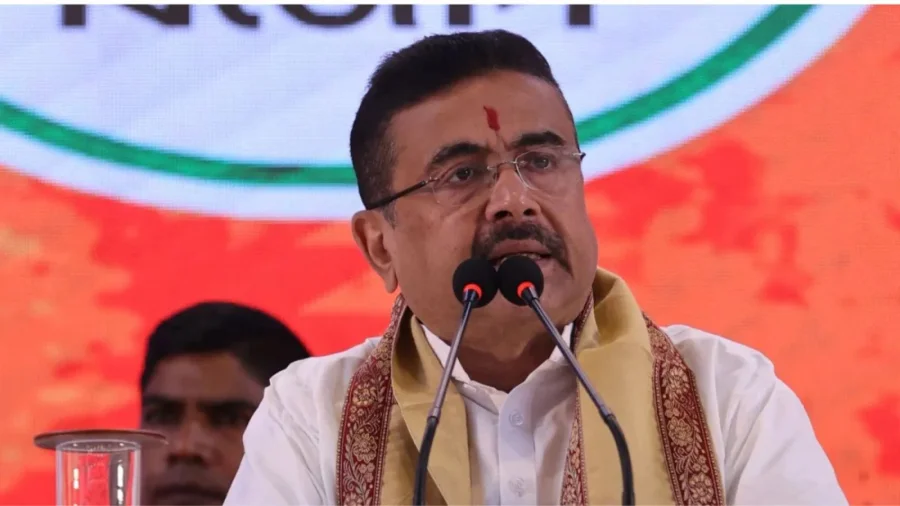
The West Bengal Assembly on Wednesday passed the Panchayat (Amendment) Bill, 2025, a legislative move that directly tackles corruption and dysfunction in the state’s vast network of rural local bodies. For millions of voters in Bengal’s villages, the bill promises cleaner governance—but also raises questions about state control over elected panchayats.
Why the bill was needed: defunct bodies and frozen funds
According to government data, nearly 400 gram panchayats in West Bengal have been non-functional for over a year due to internal squabbles, corruption allegations, or lack of quorum. This has stalled development projects worth hundreds of crores and left basic services—such as drinking water supply, road repairs, and midday meal distribution—in limbo. The amendment seeks to break this deadlock by allowing the state to declare such bodies defunct and call fresh elections within six months.
Key provisions to check corruption
The bill makes it mandatory for all panchayats to upload tender notices, work orders, and utilisation certificates on a public portal. Any deviation can result in disqualification of the elected members. Additionally, the state government can appoint an administrator if a panchayat fails to pass its annual budget twice in a row. The minister said this would “plug the leakages” that have plagued rural schemes like MGNREGA and the state’s own ‘Lok Prasar’ scheme.
Political response and opposition concerns
While the ruling Trinamool Congress hailed the bill as a “historic reform”, the Opposition BJP and Left parties termed it an “assault on federalism”. BJP MLA Shankar Ghosh argued that the provision to declare panchayats defunct gives the government “arbitrary power to dissolve elected bodies at will”. The government countered that the bill includes a safeguard: a show-cause notice and a mandatory resolution from the state election commission before any dissolution.
Impact on rural Bengal: what changes for villagers
If the bill becomes law, villagers can expect faster resolution of stalled projects and greater accountability. For example, any citizen can now file a complaint if a panchayat does not upload tender details, and the district magistrate must act within 30 days. However, critics fear that frequent dissolution of panchayats could disrupt local democratic processes and concentrate power in the hands of bureaucrats.
Timeline: from drafting to passage
The bill was introduced in the Assembly on Monday after a brief debate. It was referred to a select committee, which returned it with minor modifications on Wednesday. The House passed it by voice vote. The next step is the Governor’s assent, which is expected within a week as per constitutional practice, though the Raj Bhavan may seek clarifications.
What experts say: strengthening or weakening panchayats?
Political analyst Dr. Susmita Roy of Kolkata’s Centre for Governance Studies said the bill’s anti-corruption intent is welcome, but “the devil is in implementation”. She noted that the state already has powers to supersede panchayats under the West Bengal Panchayat Act, 1973, but rarely used them. “The real test will be whether the government uses this law to genuinely reform or to silence opposition-run bodies,” she added.
Risks and balanced view
The bill’s critics point out that the state government controls the purse strings for panchayats, and fresh elections can be delayed. A 2022 report by the Comptroller and Auditor General had flagged that 40% of gram panchayats in Bengal had not conducted mandatory social audits. The government says the new online system will make audits automatic. Yet, without a strong independent oversight mechanism, the risk of centralised misuse remains.
Wider trend: state governments tightening panchayat control
West Bengal is not alone. In the past two years, Uttar Pradesh, Maharashtra, and Karnataka have amended their panchayat laws to give state governments more power to dissolve or supersede bodies. The trend reflects a national debate between executive efficiency and local autonomy. The Supreme Court, in a 2024 judgment, had upheld states’ power to legislate on panchayat disqualifications but warned against “arbitrary dissolution”.
Practical guidance for rural residents
For villagers affected by defunct panchayats, the first step is to document the lack of meetings or budgets. They can approach the district panchayat officer or the state election commission with evidence. Once the bill is law, they can also use the online portal to track tenders and expenditures. Local civil society groups are planning helplines to guide citizens on filing complaints.
Future outlook: elections and implementation timeline
If the Governor gives assent this month, the state government is expected to immediately identify around 200 “critical” panchayats that have been non-functional for over a year. By-elections for these could be held by September 2025, ahead of the 2028 panchayat polls. The minister hinted that a pilot of the online portal will be launched in four districts within 45 days.
Our Take
The Panchayat (Amendment) Bill is a long-overdue attempt to fix governance in Bengal’s rural local bodies. The focus on transparency and revival of defunct institutions addresses genuine public grievances. However, the concentration of power in the state government requires careful checks and balances. The real success of the bill will be measured not by its passage but by how many panchayats actually become functional and accountable. Citizens must remain vigilant and use the new tools to hold both elected representatives and the state accountable.
Frequently Asked Questions
What does the Bengal Panchayat (Amendment) Bill do?
It allows the state government to declare a gram panchayat as defunct if it fails to hold meetings or pass budgets for six months, and mandates online publication of all financial transactions to curb corruption.
Will this bill dissolve all non-functional panchayats immediately?
No, the state must first issue a show-cause notice and get a recommendation from the State Election Commission. Only after that can an administrator be appointed or fresh elections be called.
How can a villager complain if their panchayat is corrupt?
Once the bill becomes law, villagers can file a complaint with the district magistrate if tender details are not uploaded online. The complaint must be addressed within 30 days.
Is this bill similar to panchayat laws in other states?
Yes, states like Uttar Pradesh and Maharashtra have passed similar amendments. However, Bengal’s bill uniquely mandates a specific timeline for holding fresh elections after dissolution.



