
Summary
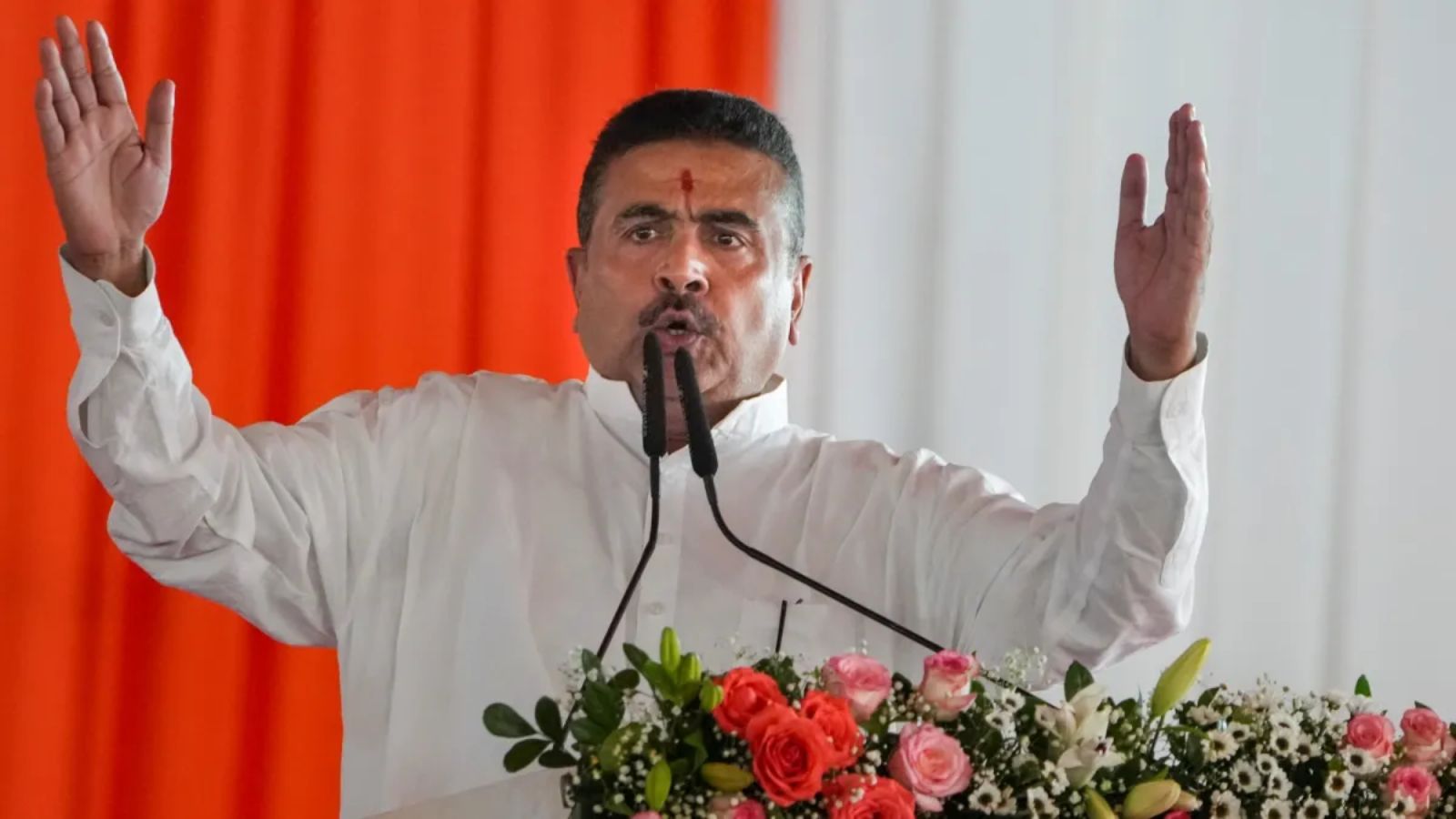
West Bengal opposition leader Suvendu Adhikari has rejected claims that a man's death in Baruipur violence was a case of lynching. The incident, which occurred during a political clash, has sparked a heated debate over the nature of the attack. Adhikari stated that the victim was "attacked after being identified" by the assailants, but he stopped short of calling it a lynching. The event has raised concerns about political violence in the state ahead of upcoming elections.
Main Impact
The death of a man in Baruipur, West Bengal, has become a flashpoint in the ongoing political rivalry between the ruling Trinamool Congress (TMC) and the opposition Bharatiya Janata Party (BJP). Suvendu Adhikari, the leader of the opposition in the state assembly, has publicly rejected the term "lynching" to describe the incident. Instead, he described it as a targeted attack based on the victim's political identity. This distinction matters because it shapes how the event is perceived by the public and the media, and it could influence political narratives in the region.
Key Details
What Happened
The violence erupted in Baruipur, a town in South 24 Parganas district, during a clash between supporters of rival political groups. A man was killed in the melee. Initial reports from some media outlets described the incident as a lynching, suggesting a mob-style attack. However, Suvendu Adhikari has pushed back against this characterization. He argued that the victim was specifically targeted because his political affiliation was known to the attackers. The incident has since been investigated by local police, who are still piecing together the sequence of events.
Important Numbers and Facts
The incident took place on July 10, 2026, in Baruipur. The victim was a local resident whose identity has not been fully disclosed by authorities. Police have arrested several suspects in connection with the death. The exact number of arrests has not been officially confirmed, but local sources suggest at least five people have been detained for questioning. The area has seen a rise in political clashes in recent months, with both the TMC and BJP accusing each other of instigating violence.
Background and Context
Political violence is not new in West Bengal. The state has a long history of clashes between rival party workers, especially during election seasons. The Baruipur incident comes at a time when both the TMC and BJP are gearing up for local body elections. The term "lynching" carries heavy emotional and political weight in India, often associated with communal violence. By rejecting this label, Adhikari is trying to frame the event as a routine political crime rather than a hate crime. This distinction is important because it affects how the law is applied and how the public reacts.
Public or Industry Reaction
The reaction to Adhikari's statement has been mixed. Supporters of the BJP have praised him for not sensationalizing the incident. They argue that calling every political killing a "lynching" dilutes the term's meaning. On the other hand, critics from the TMC and some civil rights groups have accused Adhikari of downplaying the severity of the attack. They point out that any targeted killing based on identity is a serious crime, regardless of the label used. Local residents in Baruipur have expressed fear and anger, with many calling for a thorough investigation to bring the perpetrators to justice.
What This Means Going Forward
The Baruipur death and the debate around it highlight the deep political divisions in West Bengal. As elections approach, such incidents could become more common. The way the government and opposition handle these events will shape public trust in the electoral process. If violence is seen as being tolerated or excused, it could discourage people from participating in democracy. On the other hand, a fair and transparent investigation could help restore confidence. The coming weeks will be crucial as police continue their probe and political leaders decide how to use this incident in their campaigns.
Final Take
The death in Baruipur is a tragic reminder of how political rivalry can turn deadly. While the debate over whether it was a lynching or a targeted attack may seem like a matter of words, it has real consequences for how justice is pursued. For the victim's family, the label matters less than the outcome of the investigation. For the public, it is a test of whether the state can keep its citizens safe from political violence. The answer will come not from statements but from actions.
Frequently Asked Questions
What happened in Baruipur on July 10, 2026?
A man was killed during a clash between political groups in Baruipur, West Bengal. The incident has sparked a debate over whether it was a lynching or a targeted political attack.
Why did Suvendu Adhikari reject the term "lynching"?
Adhikari, the leader of the opposition in West Bengal, said the victim was "attacked after being identified" by the assailants. He believes the term "lynching" is not accurate for this case and that it should be treated as a political crime.
What is the current status of the investigation?
Local police have arrested several suspects in connection with the death. The investigation is ongoing, and authorities are working to determine the exact circumstances of the attack.



