
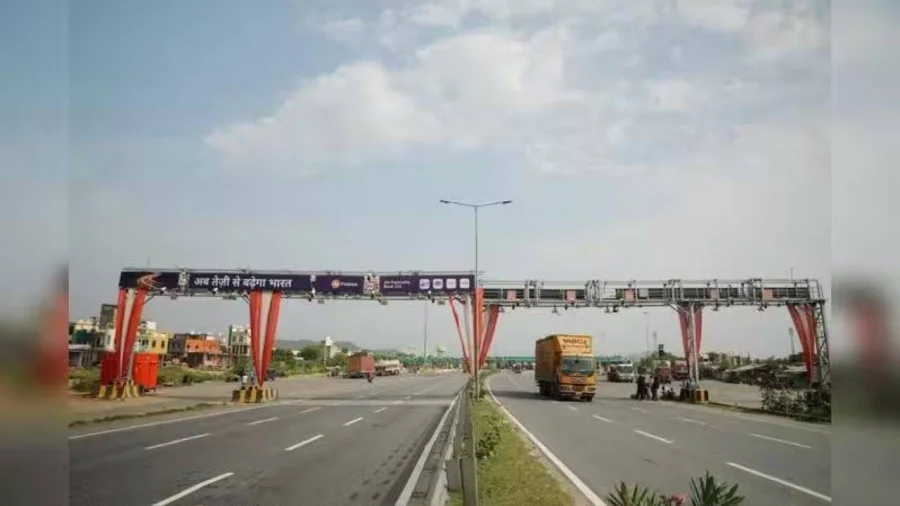
Drivers who once braked for boom barriers are now cruising through toll plazas — and early signals suggest they are paying without being forced to. The trend: a visible drop in e-notices, the digital reminders issued to vehicles that cross toll points without valid payment.
Why fewer e-notices are a milestone for toll plazas
E-notices are generated when a vehicle passes a toll point with an inactive FASTag, insufficient balance, or a misread tag. A decline in these notices means fewer accidental misses, fewer disputes, and a lighter administrative load on operators.
For the everyday driver, the benefit is simpler: no surprise penalty messages, no follow-up demands, and less anxiety around every highway trip.
How barrierless tolling works: a simple breakdown
Under this free-flow system, overhead gantries equipped with Automatic Number Plate Recognition (ANPR) cameras and RFID readers capture vehicles moving at highway speed. The system links the registration number to a digital payment account, and the toll is deducted automatically.
The driver's experience changes from "stop, pay, go" to simply "go". Physical barriers vanish, and the transaction happens invisibly in seconds.
The human impact: who feels the difference
Daily commuters, cab operators, and logistics companies stand to gain the most. Every minute saved at a toll plaza adds up to fuel savings, faster deliveries, and far less frustration on long routes.
For millions who travel between cities for work or family visits, the reported drop in e-notices also means one less bureaucratic headache — and greater trust in a system that once felt like a bottleneck.
Why compliance improves when the barrier lifts
The behavioural logic is clear. When a gate is down, drivers pay because they must stop. When the barrier is gone, they still know technology is recording every crossing — the digital trail makes evasion pointless.
Analysts see this as a shift from forced compliance to voluntary compliance, driven by the sheer convenience of a frictionless system.
Confirmed facts vs what remains unverified
What is established is the core reported finding: barrierless tolling has brought a drop in e-notices at plazas, indicating that road users are falling in line.
What remains unconfirmed is the exact scale of the decline, the specific corridors covered, and the official data behind the claim. No high-confidence source or government release has yet verified these numbers, so the details should be treated as reported rather than final.
What drivers should do now
Anyone using barrierless stretches should keep their FASTag active and adequately recharged. A clear, legible number plate is critical — ANPR depends on it.
If an e-notice does arrive, settle it promptly to avoid escalation. Drivers facing a wrongly issued notice should track their crossing records before contesting it.
What could come next for Indian highways
If the reported trend holds, barrierless tolling could expand from select stretches to longer highway corridors. The pace of rollout will depend on ANPR accuracy, seamless digital payment integration, and a transparent dispute-resolution process.
The bigger promise is a highway network where stopping at a toll booth becomes a memory rather than a daily routine.
Our Take
The significance here goes beyond toll collection. It is an early sign that Indian road users respond well to trust-based systems when the technology behind them is reliable.
But the real test is scale. A wider rollout will bring new challenges — enforcement gaps, data accuracy, and the handling of vehicles with expired tags or no linked accounts. The reported drop in e-notices is encouraging, but it must be backed by hard numbers before the victory lap begins.
Frequently Asked Questions
What is barrierless tolling?
Barrierless tolling, also known as free-flow tolling, lets vehicles pass toll points without stopping. Overhead gantries with cameras and RFID sensors capture vehicle details and deduct the toll digitally from a linked account.
How does a driver get an e-notice?
An e-notice is issued when a vehicle crosses a toll point but the toll cannot be collected — typically because the FASTag is inactive, the balance is insufficient, or the tag could not be read. The notice asks the owner to pay the due amount, often with a penalty.
Why have e-notices dropped at barrierless plazas?
The reported reason is improved compliance: road users are paying voluntarily because the system is seamless and records every crossing digitally. The exact figures and causes await official confirmation.
What should drivers do on barrierless toll roads?
Keep your FASTag active with sufficient balance, ensure your number plate is clearly visible, and monitor any e-notices. Settling dues early avoids penalties and unnecessary paperwork.



