
Summary
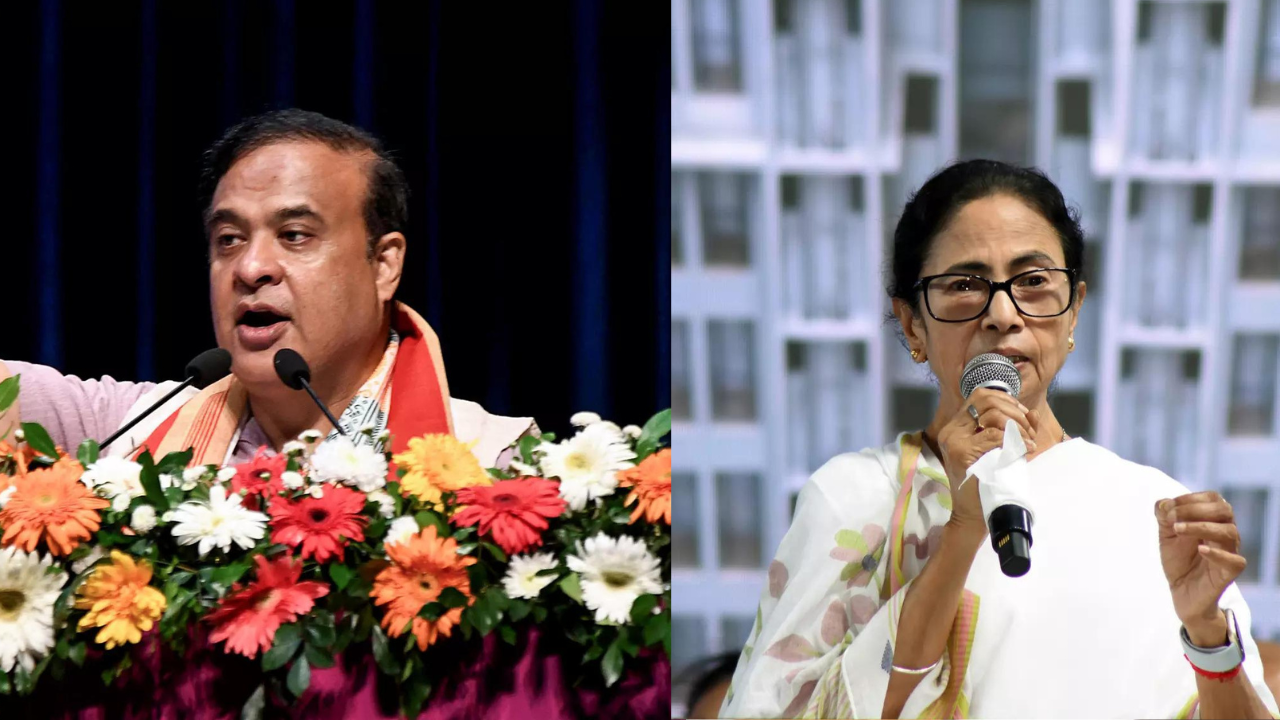
Assam Chief Minister Himanta Biswa Sarma has raised serious concerns regarding the security of the India-Bangladesh border. He specifically pointed to the state of West Bengal, accusing Chief Minister Mamata Banerjee of failing to stop illegal entry into the country. Sarma emphasized that finishing the border fence is a top priority for national safety. He believes that the lack of a complete barrier is causing long-term problems for the region and the nation.
Main Impact
The primary impact of these statements is a renewed focus on the security gaps along India’s eastern border. When high-ranking officials disagree on border control, it can lead to delays in vital construction projects. Sarma’s comments highlight a growing divide between the central government’s goals and the actions of state leaders in West Bengal. This disagreement affects how resources are used to stop illegal movement and how law enforcement agencies work together on the ground.
Key Details
What Happened
During a public discussion, Himanta Biswa Sarma stated that the process of fencing the border with Bangladesh is being blocked in certain areas. He claimed that while the central government is ready to build the fence, the West Bengal government has not provided the necessary land. Sarma argued that this delay is not an accident but a choice made by the local leadership. He suggested that allowing people to cross the border illegally helps certain political groups gain more voters.
Important Numbers and Facts
The border between India and Bangladesh is roughly 4,096 kilometers long. West Bengal shares the largest portion of this border, stretching over 2,200 kilometers. Large parts of this area are difficult to monitor because they include rivers, thick forests, and swampy ground. Reports show that hundreds of kilometers of this border still do not have a physical fence. Sarma pointed out that in Assam, the government has worked hard to secure its side, but those efforts are weakened if the West Bengal side remains open.
Background and Context
The issue of illegal immigration has been a major topic in Indian politics for many years. It is especially important in states like Assam and West Bengal, which share a direct border with Bangladesh. Many people worry that illegal entry changes the local population and puts a strain on jobs, land, and government services. In the past, the central government introduced the National Register of Citizens (NRC) to identify who is a legal resident. However, this move faced strong opposition from leaders like Mamata Banerjee, who argue that such measures unfairly target specific groups of people.
Public or Industry Reaction
The reaction to Sarma’s comments has been split along political lines. Supporters of the Bharatiya Janata Party (BJP) agree that a strong fence is the only way to protect the country. They argue that national security should come before state politics. On the other side, the Trinamool Congress (TMC) in West Bengal has dismissed these claims. TMC leaders often state that the Border Security Force (BSF) is responsible for guarding the border. Since the BSF reports to the central government, the TMC argues that any failure to stop illegal entry is actually the fault of the center, not the state.
What This Means Going Forward
Looking ahead, the pressure to finish the border fence will likely increase. The central government may try to find new ways to acquire land or use technology like cameras and sensors where fences cannot be built. However, if the state and central governments do not start working together, the project will continue to face delays. This ongoing tension could also become a major theme in future elections, as both sides use the border issue to appeal to their voters. For the people living near the border, the lack of clarity means continued uncertainty regarding their safety and legal status.
Final Take
Securing a long and difficult border requires more than just wire and posts; it requires a shared plan between different levels of government. While political leaders continue to blame each other, the physical gaps in the fence remain a reality. True progress will only happen when national security is treated as a common goal rather than a tool for political debate. Until then, the border will remain a point of conflict and a challenge for the country's safety.
Frequently Asked Questions
Why is the border fence not finished?
The fence is incomplete mainly because of difficulties in getting land from private owners and the state government. Some areas are also very hard to build on because of rivers and rough terrain.
Who is responsible for guarding the India-Bangladesh border?
The Border Security Force (BSF) is the main agency responsible for guarding the border. They work under the authority of the central government of India.
What is the main concern regarding illegal immigration?
The main concerns include national security risks, the use of limited local resources, and changes to the local population that can lead to social and political tension.



